

As June ushers in the full warmth of summer, many gardeners eagerly plan their next plantings. However, not every garden plot enjoys the luxury of all-day sunshine. For those with spaces that receive only morning sun, the challenge becomes selecting crops that can truly thrive in less intense light, rather than merely survive. This guide covers best june vegetables for morning sun in a practical way.
Understanding your garden's unique sun exposure is the first step to a successful summer harvest. Morning sun, typically defined as 3 to 6 hours of direct light before midday or early afternoon shade, offers a gentle start to the day. This environment, while limiting for some sun-loving plants, is surprisingly beneficial for a host of delicious vegetables and herbs.
This guide will illuminate the best June planting options for gardeners navigating morning sun conditions. We'll explore resilient crops, optimal growing practices, and key considerations to ensure your partially shaded garden yields a bountiful and satisfying harvest.
Understanding Morning Sun Conditions
The distinction between morning and afternoon sun is crucial for plant health. Morning sunlight is generally milder, providing the necessary energy for photosynthesis without the scorching intensity that often accompanies direct afternoon rays, especially during the peak of summer.
This cooler, gentler light profile is ideal for plants that prefer a break from the heat, preventing bolting in leafy greens and reducing stress on root vegetables. Many traditional full-sun crops struggle in these conditions, leading to stunted growth or poor fruit set. Choosing the right plant for the right light is paramount.
A common real-world constraint for many home gardeners is existing structures or mature trees casting shade for much of the day. Instead of fighting this limitation, we can embrace it by selecting vegetables specifically adapted to these less sunny pockets. This strategic approach turns a perceived disadvantage into a unique gardening opportunity.
The best conditions for morning sun vegetables involve well-draining soil rich in organic matter, consistent moisture, and protection from the harshest afternoon heat. Even with limited direct light, these elements combine to create a microclimate where shade-tolerant plants can truly flourish.
Top Vegetables for June Planting in Morning Sun
June is an excellent time to sow seeds or transplant starts for a variety of crops that perform admirably with just a few hours of morning sun. Focusing on leafy greens, root vegetables, and select herbs will maximize your success in these conditions.
Leafy Greens Thrive in Milder Light
Leafy greens are perhaps the most grateful recipients of morning sun. Their tender leaves can scorch and bolt quickly in intense heat, making the morning sun environment perfect for extending their growing season into summer.
- Lettuce: Many loose-leaf and butterhead varieties are excellent choices. Look for heat-tolerant types, but even standard varieties will appreciate the afternoon shade. They produce crisp, flavorful leaves without turning bitter too quickly.
- Spinach: While it tends to bolt in true summer heat, planting spinach in a morning sun spot can give you a longer harvest window. Consider varieties like 'New Zealand Spinach' or 'Malabar Spinach' for even greater heat tolerance, though they are botanically distinct.
- Kale: This superfood is incredibly resilient and handles partial shade with ease. Its leaves may be slightly smaller in morning sun, but the flavor remains robust. Both curly and lacinato (dinosaur) kale varieties are dependable producers.
- Swiss Chard: Similar to kale, Swiss chard is a beautiful and productive plant that tolerates less than full sun. Its vibrant stems and nutritious leaves make it a garden favorite.
Root Vegetables Appreciate Cooler Soil
Root crops benefit from the cooler soil temperatures that afternoon shade provides, which prevents them from becoming woody or bolting prematurely. While they might grow a bit slower, the quality can be excellent.
- Radishes: These quick-growing beauties are perfect for morning sun. They mature rapidly, often in less than a month, and appreciate the consistent moisture and cooler soil conditions.
- Carrots: While carrots prefer full sun for optimal growth, many varieties will still produce a respectable crop with 4-5 hours of morning sun. Ensure your soil is loose and free of rocks for straight root development.
- Beets: Both the roots and the nutritious greens of beets are edible. They tolerate partial shade well, and the greens can be harvested regularly without impacting root development significantly.
Herbs for Flavorful Additions
Many popular culinary herbs prefer a break from intense midday sun, making them ideal candidates for your morning sun garden. Their aromatic leaves and consistent growth will enhance any meal.
- Cilantro: Known for bolting quickly in hot, full sun, cilantro's season can be significantly extended in a morning sun location. Plant in succession every few weeks for a continuous supply.
- Parsley: Both flat-leaf and curly parsley varieties thrive in partial shade. They maintain their vibrant green color and fresh flavor without wilting under stress.
- Mint: This vigorous herb loves moisture and can even become invasive in ideal conditions, making a container a wise choice. Morning sun suits it perfectly, allowing its refreshing leaves to flourish.
A surprising contender for morning sun is bush beans. While pole beans generally demand more sun, bush bean varieties can produce a decent yield with 4-5 hours of direct morning light. This presents a practical tradeoff: you might get slightly smaller harvests compared to a full-sun plot, but you'll still enjoy fresh beans from your own garden. Unlike sun-loving tomatoes or peppers that demand 6-8+ hours for optimal fruiting, these morning-sun heroes adapt to less intense light, focusing energy on leaf or root development.
Preparing and Planting Your Morning Sun Garden
Successful gardening in morning sun conditions requires mindful preparation and consistent care. Focusing on soil health, appropriate planting methods, and smart watering will set your garden up for success.
Soil Preparation: The Foundation of Growth
Regardless of sun exposure, healthy soil is the cornerstone of a productive garden. For morning sun areas, ensure your soil is well-draining and rich in organic matter. Incorporating compost before planting will improve fertility, aeration, and water retention, all vital for robust plant growth.
A simple soil test can reveal any nutrient deficiencies or pH imbalances that need addressing. Loosen compacted soil to a depth of at least 8-12 inches, especially for root crops, to allow for unimpeded root development.
Raised Beds and Containers: Maximizing Your Space
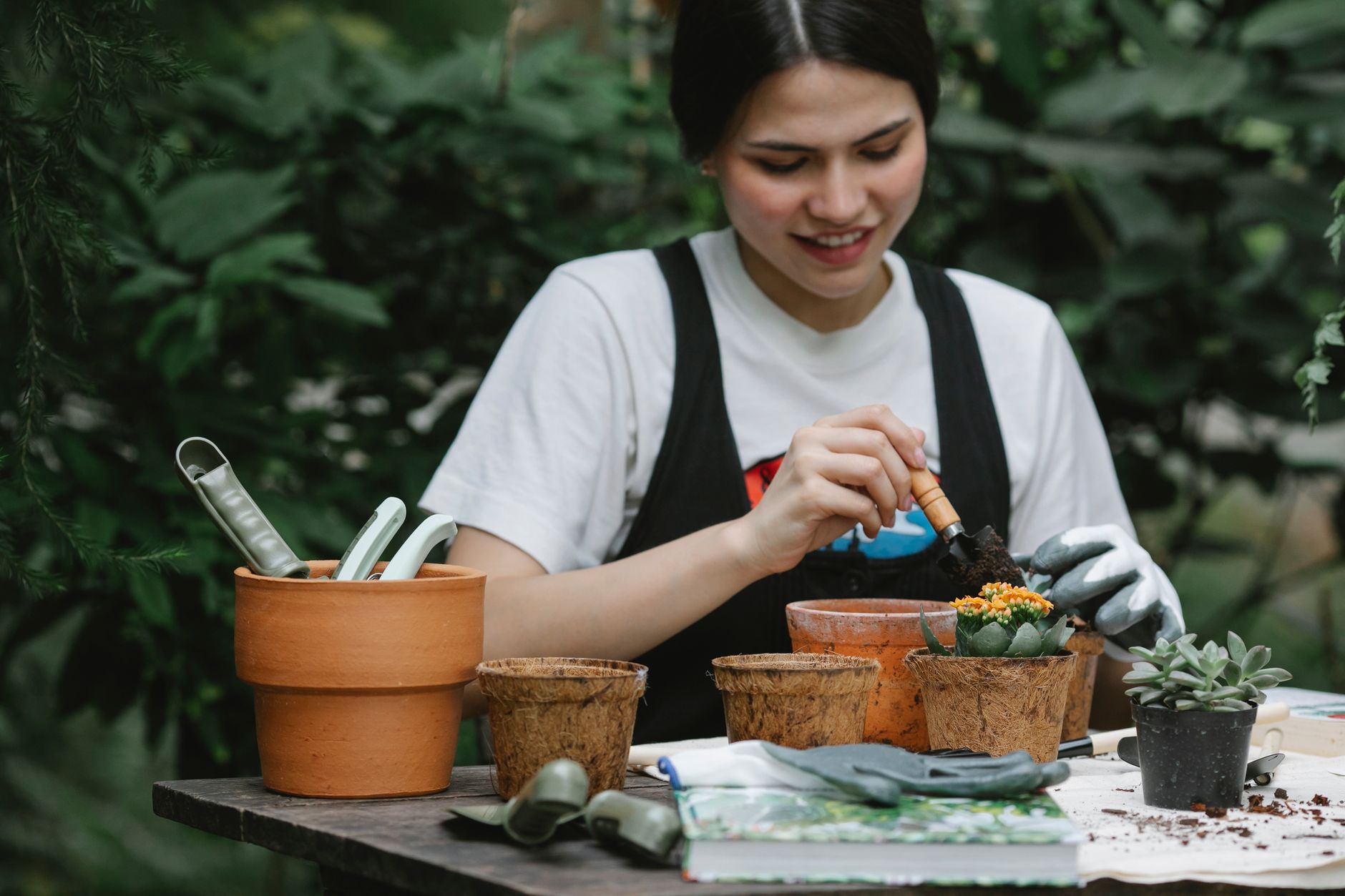
Raised beds and containers are excellent solutions for gardeners with limited morning sun. They allow you to create optimal soil conditions from scratch and provide flexibility in positioning. You can even move containers throughout the day to catch more light if needed, though this isn't always practical.
For those considering raised beds, they offer improved drainage and warmer soil temperatures, which can be beneficial in spring. Learn more about getting started with them by reading our guide on Best Vegetables for Raised Beds Beginners: Easy First Garden.
When using containers, choose appropriate sizes for your chosen vegetables. Adequate pot size prevents plants from becoming root-bound and drying out too quickly. Our article on Container Vegetable Gardening: Best Pot Sizes for Vegetables offers specific recommendations to help you make the best choices for your morning sun plants.
Step-by-Step Planting Guide
Once your soil is ready, it's time to plant. For most leafy greens and root vegetables, direct sowing seeds is often the most straightforward method. Follow the spacing recommendations on your seed packets to prevent overcrowding, which can lead to reduced air circulation and increased disease risk.
If transplanting starts, ensure they are hardened off before planting to minimize transplant shock. Dig a hole slightly larger than the root ball, place the plant, and backfill gently. Water thoroughly immediately after planting to settle the soil around the roots.
Watering and Mulching: Essential Care
Consistent moisture is critical for vegetables, especially in containers or raised beds where soil can dry out faster. Aim to water deeply in the morning, allowing the water to penetrate the root zone before the sun gets too high. This helps prevent fungal diseases by allowing foliage to dry during the day.
Apply a layer of organic mulch, such as straw, shredded leaves, or wood chips, around your plants. Mulch helps to retain soil moisture, suppress weeds, and regulate soil temperature. In morning sun gardens, it can keep the soil cooler, which is particularly beneficial for root crops and leafy greens.
Common Mistakes and Pro Tips for Success
Even with careful planning, gardening always comes with learning opportunities. Avoiding common pitfalls and adopting smart strategies can significantly increase your success rate in a morning sun garden.
Common Mistakes to Avoid
One of the most frequent beginner mistakes is planting sun-hungry varieties like tomatoes, peppers, or large squash in a morning sun-only spot. These plants require 6-8+ hours of direct sun to produce a substantial harvest, and anything less will result in stunted growth, few flowers, and minimal fruit.
Another common oversight is neglecting soil health. Even if you have the perfect plant for the light, poor soil will still lead to poor results. Regularly amending your soil with compost and checking its pH will create a much more hospitable environment for your plants.
Inconsistent watering is also a major issue, particularly for shallow-rooted leafy greens and container plants. Periods of drought followed by heavy watering can stress plants, leading to bolting or cracking in root crops. Establish a regular watering schedule and check soil moisture frequently.
Pro Tips for a Bountiful Harvest
To maximize your yield and extend your harvest in a morning sun garden, consider these expert strategies.
- Succession Planting: For fast-growing crops like lettuce, radishes, and spinach, plant small batches every 2-3 weeks. This ensures a continuous supply of fresh vegetables rather than a single large harvest followed by a gap.
- Companion Planting: Strategically place plants together to enhance growth or deter pests. For example, planting marigolds nearby can help repel nematodes and other pests. Taller plants can also offer light, beneficial afternoon shade to more sensitive greens.
- Pest and Disease Management: Moist, shadier conditions can sometimes favor pests like slugs and snails. Regularly inspect your plants for signs of damage and address issues promptly with organic solutions like hand-picking, beer traps, or appropriate organic sprays.
- Consider Shade Cloth: In extremely hot climates, a lightweight shade cloth (20-30% density) can be temporarily draped over sensitive crops during the hottest part of the day, even in morning sun areas. This can further extend the season for cool-weather greens.
- Fertilization: While compost provides many nutrients, morning sun vegetables may still benefit from a balanced organic liquid fertilizer, especially if growing in containers. Follow package directions carefully to avoid over-fertilizing.
FAQ
Can I grow tomatoes or peppers in morning sun only?
While you might get some limited growth, tomatoes and peppers are generally not recommended for morning sun-only locations. They are heavy feeders and require 6-8+ hours of direct, intense sunlight to produce a significant harvest of ripe fruit. You'll likely see small plants, few flowers, and very little fruit.
How much morning sun is enough for these vegetables?
Most of the vegetables listed, such as leafy greens, root crops, and herbs, will thrive with 3 to 5 hours of direct morning sun. More is always better, but this minimum duration provides sufficient light for healthy growth, especially when followed by afternoon shade to protect them from heat stress.
What's the best way to improve soil in a morning sun garden?
The best way to improve soil in any garden, including one with morning sun, is to regularly incorporate organic matter. Adding several inches of well-rotted compost or aged manure annually will enhance soil structure, fertility, and water retention, creating an ideal environment for your plants.
Do morning sun vegetables need less water?
Not necessarily. While they may not dry out as quickly as plants in full sun, morning sun vegetables still require consistent moisture. In fact, leafy greens and root crops need steady water to develop properly. Always check the soil moisture before watering, aiming for consistently damp, but not waterlogged, conditions.
Final Thoughts
Gardening with only morning sun presents a unique set of circumstances, but it is far from a limitation. By understanding the specific needs of your garden's light conditions and selecting the right plants, you can cultivate a thriving and productive space. Embrace the challenge, experiment with different varieties, and enjoy the satisfaction of harvesting fresh, home-grown produce from your very own partially shaded oasis. Happy gardening!