
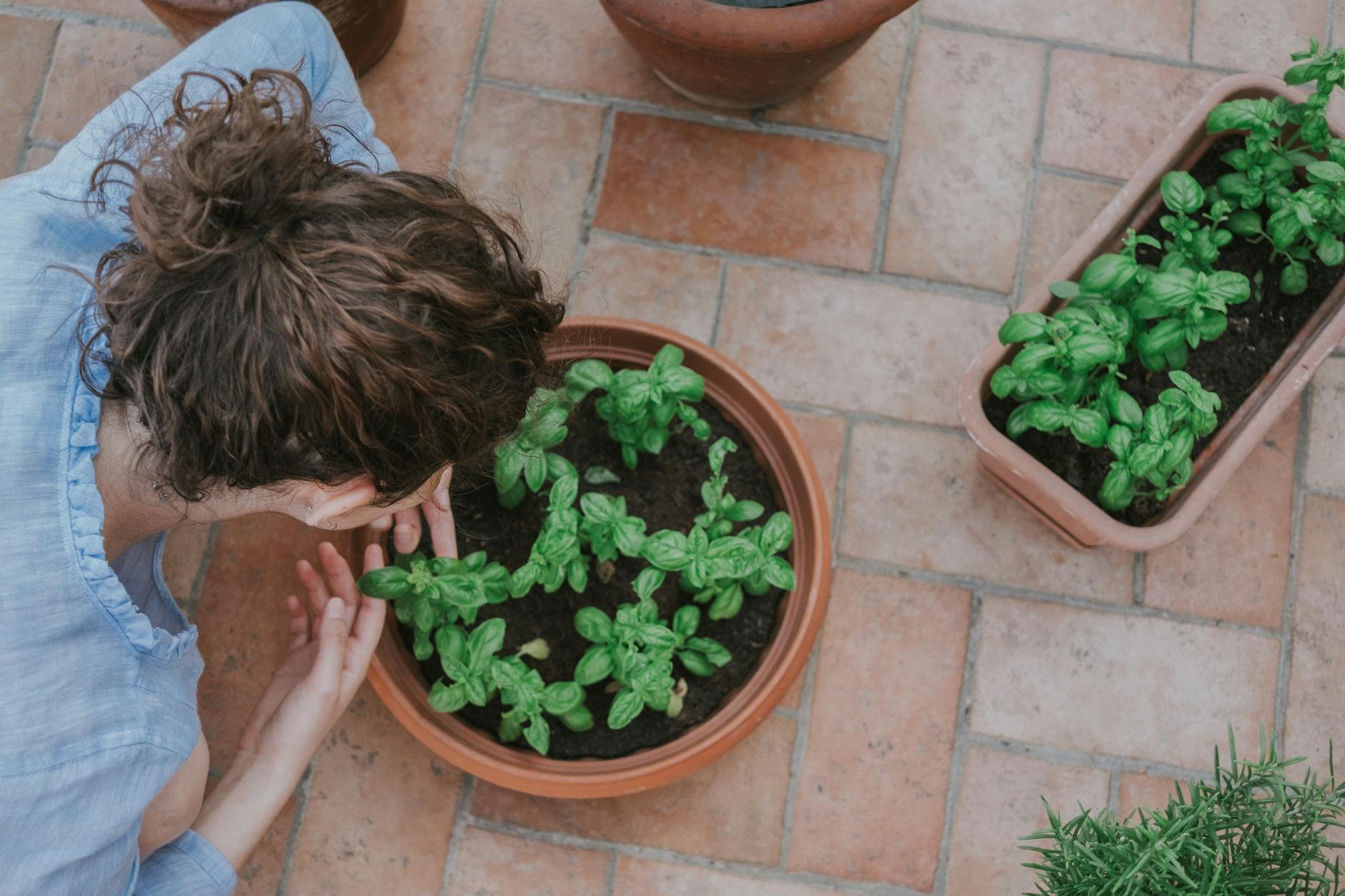
Quick Answer: Sowing Cilantro in June Without Bolting
To successfully sow cilantro in June without immediate bolting, prioritize a location that offers significant afternoon shade, especially in warmer climates. Utilize heat-tolerant varieties, ensure consistently moist (but not waterlogged) soil, and consider succession planting small batches every 1-2 weeks. Mulching around the base of plants also helps keep soil temperatures down, crucial for delaying the plant's natural tendency to bolt in summer heat. This guide covers when to sow cilantro in june without bolting in a practical way.
Why Sowing Cilantro in June Matters for Gardeners
For many home gardeners, the promise of fresh cilantro is often short-lived once summer temperatures arrive. This beloved herb, essential for so many culinary dishes, has a notorious habit of ‘bolting’ – sending up a flower stalk and producing seeds – quickly when conditions become too hot and dry.
Successfully growing cilantro through the warmer months, even into June, means you can enjoy a continuous supply of its vibrant, aromatic leaves. It saves you trips to the grocery store and ensures your tacos, curries, and salsas always have that fresh, homegrown touch. Mastering summer cilantro truly elevates your gardening game.
The Challenge of Summer Cilantro
Cilantro (Coriandrum sativum) is a cool-season annual, thriving in temperatures between 50-75°F (10-24°C). Once temperatures consistently climb above 80°F (27°C), the plant perceives this as stress and rapidly shifts its energy from leaf production to seed production, a process known as bolting. This results in bitter-tasting leaves and a short-lived harvest.
However, with a few strategic adjustments, it’s entirely possible to extend your cilantro harvest well into June and beyond. The key lies in mimicking cooler conditions and understanding the plant’s natural life cycle. It's a practical tradeoff: you might get slightly less vigorous growth than in spring, but you gain a harvest during a period when most gardeners have given up.
Step-by-Step Guide: Sowing Cilantro in June for Extended Harvests
Sowing cilantro in June successfully requires more than just tossing seeds into the ground. It involves careful planning and execution to trick the plant into thinking it’s still enjoying cooler, spring-like conditions. Follow these steps for the best chance of a bountiful summer harvest.
1. Site Selection and Preparation
Choosing the right spot is paramount. Look for a location that receives morning sun but is shaded during the hottest parts of the afternoon. This could be the east side of your house, under a taller crop like corn or tomatoes, or even a spot that gets filtered light from a deciduous tree. A real-world constraint here is often limited suitable shady spots in a typical garden.
Ensure your soil is rich, well-draining, and amended with compost. Cilantro prefers a slightly acidic to neutral pH (6.0-7.0). Good drainage is vital to prevent root rot, especially with the increased watering needed in summer. Prepare your bed by loosening the soil to a depth of 6-8 inches.
2. Choosing the Right Varieties
While all cilantro will eventually bolt, some varieties are bred to be more slow-bolting or heat-tolerant. Look for varieties like 'Slow Bolt', 'Santo', 'Calypso', or 'Caribe'. These will give you a slightly longer window before they decide to go to seed, making them ideal for summer sowing.
3. Seed Preparation
Cilantro seeds are actually two seeds encased in a husk. Gently crushing the seed pods between your fingers can help improve germination rates by exposing the inner seeds. After crushing, consider soaking the seeds in lukewarm water for 12-24 hours before planting. This softens the seed coat and encourages quicker germination, which is beneficial when you're racing against the summer heat.
4. Sowing Your Seeds
Sow seeds directly into the prepared garden bed. Plant them about 1/4 to 1/2 inch deep and space them 4-6 inches apart in rows, or broadcast them thinly over a wider area for a more natural look. If planting in rows, space rows about 12-18 inches apart to allow for good air circulation.
For a continuous harvest, practice succession planting. Sow a small batch of seeds every 1-2 weeks throughout June and into early July. This ensures that as one batch begins to bolt, another is ready to take its place. This is a small comparison to spring sowing, where you might plant a larger batch less frequently, as summer demands a more staggered approach.
5. Watering and Mulching
Consistent moisture is absolutely critical for delaying bolting. Cilantro needs about 1 inch of water per week, either from rainfall or irrigation. In hot June weather, this often means daily watering, especially if growing in containers. Water deeply in the morning to allow foliage to dry before evening, reducing the risk of fungal diseases.
Apply a 2-3 inch layer of organic mulch, such as straw, shredded leaves, or wood chips, around your cilantro plants. Mulch helps to conserve soil moisture, suppress weeds, and, most importantly, keep the soil temperature cooler. Cooler roots mean happier cilantro that is less likely to bolt prematurely.
6. Providing Shade
Even with afternoon shade, intense summer sun can still be too much. Consider using a shade cloth (30-50% light reduction) over your cilantro plants during the hottest parts of the day. This is particularly effective in regions with scorching summer temperatures. Erect a simple frame or use stakes to suspend the shade cloth a foot or two above the plants.

Common Mistakes and Troubleshooting Summer Cilantro
Even with the best intentions, growing cilantro in summer can present challenges. Understanding common pitfalls and how to address them can save your harvest.
Common Mistakes to Avoid
- Planting in Full Sun: This is arguably the biggest mistake. Cilantro simply cannot tolerate intense direct sun during the summer months without bolting almost immediately. Always opt for afternoon shade or filtered light.
- Inconsistent Watering: Allowing the soil to dry out between waterings stresses the plant, signaling it to produce seeds. Dry soil combined with heat is a recipe for rapid bolting. Maintain consistent moisture.
- Over-Fertilizing: While cilantro appreciates rich soil, too much nitrogen can promote lush leafy growth that is then more susceptible to bolting when stressed by heat. A balanced, slow-release organic fertilizer or good compost is usually sufficient.
- Planting Too Many Seeds at Once: A beginner mistake is to plant a large patch of cilantro all at once, expecting a long harvest. Without succession planting, you'll end up with an abundance for a short period, then nothing. Staggering your planting ensures a continuous supply.
- Not Thinning Seedlings: Overcrowded plants compete for resources, leading to stress and premature bolting. Thin seedlings to their recommended spacing once they are a few inches tall to ensure good air circulation and nutrient availability.
Troubleshooting Bolting Issues
If despite your best efforts, your cilantro starts to bolt, don’t despair entirely. You still have options:
- Harvest What You Can: As soon as you see a flower stalk emerging, harvest as many leaves as possible. The flavor will diminish, but they might still be usable for a day or two.
- Let it Go to Seed: If the plant has fully bolted, allow it to flower and produce seeds. These seeds are called coriander, and you can harvest them for culinary use or save them for planting next season. The flowers are also beneficial for attracting pollinators to your garden, a useful role just like Autumn Peas in Australia: Sowing, Supports & Harvests can play in extending your garden's productivity.
- Replant: If one batch bolts, simply remove it and sow new seeds in a prepared spot. This reinforces the importance of succession planting. Remember, warm soil can cause rapid germination, but also rapid bolting if not managed carefully. Much like knowing When to Direct Sow Cucumbers After Frost: Don’t Rush Cold Soil, timing and conditions are everything.
Final Thoughts on June Cilantro
Growing cilantro in June without immediate bolting is a rewarding challenge for any gardener. It demands a bit more attention to detail regarding shade, moisture, and variety selection, but the payoff is a steady supply of fresh, homegrown herbs when most other gardeners have given up. Embrace these strategies, and you’ll be enjoying cilantro well into the summer season, proving that with a little ingenuity, you can defy the heat and keep your kitchen stocked with this essential ingredient.
FAQ
Can I grow cilantro in pots in June?
Yes, growing cilantro in pots in June is an excellent strategy, especially if you have limited garden space or struggle with finding suitable shady spots. Pots allow you to easily move the plants to follow the sun and shade patterns throughout the day, or bring them indoors during extreme heatwaves. Ensure pots are at least 8-10 inches deep and have good drainage.
What varieties are best for heat tolerance?
For better success in warmer months, look for slow-bolting or heat-tolerant cilantro varieties. Popular choices include 'Slow Bolt', 'Santo', 'Calypso', 'Caribe', and 'Leisure'. While no cilantro is completely heat-proof, these varieties offer a slightly longer harvest window before succumbing to the heat.
How often should I water summer cilantro?
Summer cilantro requires consistent moisture to prevent bolting. In June, depending on your climate and soil type, this often means watering daily, especially if grown in containers. Aim to keep the soil consistently moist but never waterlogged. Check the soil moisture daily by sticking your finger about an inch deep; if it feels dry, it's time to water.
What's the ideal temperature range for cilantro?
Cilantro thrives in cooler temperatures, ideally between 50-75°F (10-24°C). Temperatures consistently above 80°F (27°C) will trigger bolting. This is why providing afternoon shade, consistent moisture, and mulching are crucial strategies for growing it successfully in June when temperatures often exceed this range.
Can I harvest seeds from bolted plants?
Absolutely! Once cilantro bolts and flowers, it will produce seeds, which are known as coriander. Allow the seed heads to dry on the plant until they turn brown and brittle. Then, snip them off and place them in a paper bag to fully dry before storing. These seeds can be used for cooking or saved for planting in future seasons.