
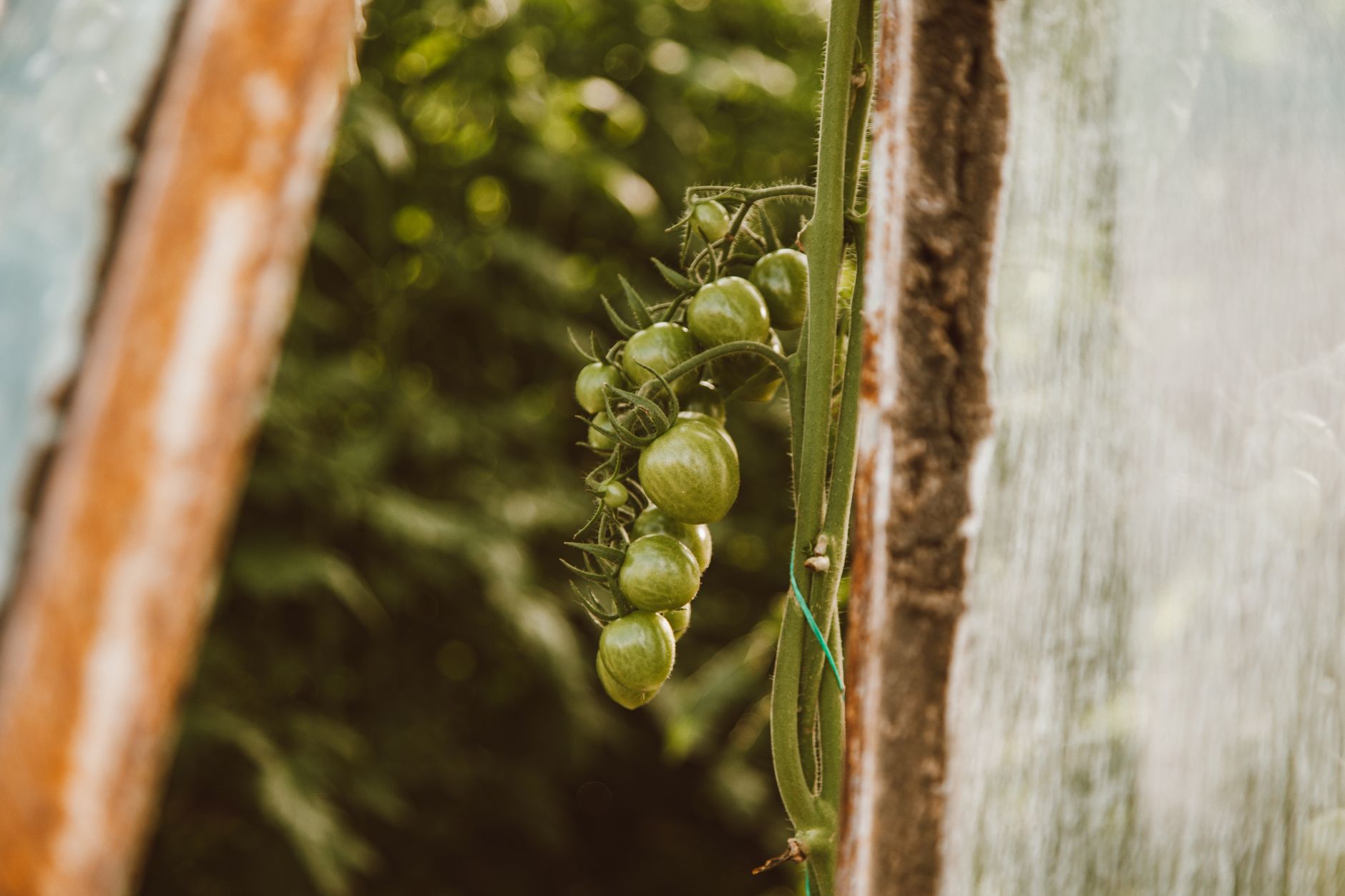
Quick Answer: Preventing Soil Splash Disease on Tomatoes
To effectively stop soil splash from spreading disease onto lower tomato leaves, the most crucial steps involve applying a thick layer of organic mulch around the base of your plants and practicing proper watering techniques, specifically bottom watering or drip irrigation. Additionally, strategic pruning of lower leaves and ensuring adequate air circulation are vital for blight reduction and overall tomato health. This guide covers stop soil splash disease on tomatoes in a practical way.
Why This Matters: The Silent Threat of Soil-Borne Pathogens
Tomato plants are highly susceptible to a range of soil-borne diseases, such as early blight, late blight, and Septoria leaf spot. These fungal and bacterial pathogens often reside in the soil, patiently waiting for the right conditions to strike. When rain or overhead irrigation impacts the soil surface, tiny droplets containing these disease spores can splash upwards, directly onto the vulnerable lower leaves of your tomato plants.
Once these pathogens land on the foliage, especially in warm, humid conditions, they can quickly take hold and spread. The initial infection often appears on the lowest leaves, closest to the soil, manifesting as spots, lesions, or yellowing. If left unchecked, these diseases can rapidly defoliate the plant, severely reduce fruit production, and ultimately compromise the entire harvest. Understanding this mechanism is the first step in effective tomato lower leaf disease prevention.
Understanding Soil Splash and Disease Transmission
Soil splash is a primary vector for many common tomato diseases. When water hits bare soil, it creates a mini-explosion of soil particles and any dormant fungal spores or bacteria residing within. These microscopic projectiles can travel surprisingly far, easily reaching the lowest leaves and stems of nearby plants. The moist environment on the leaf surface then provides an ideal breeding ground for these pathogens.
Consider the difference between a gentle rain shower and a heavy downpour; the latter causes significantly more splash. Similarly, overhead watering with a strong spray can mimic these conditions, actively contributing to disease spread. The goal, therefore, is to create a barrier between the soil and the plant, and to minimize the force with which water interacts with the soil surface. This proactive approach is fundamental to blight reduction tips.
The Role of Mulch in Splash Control
Organic mulches, such as straw, shredded leaves, or wood chips, act as a physical shield. When water hits the mulch, its energy is absorbed and dissipated, preventing soil particles and pathogens from splashing onto the plant. Mulch also helps maintain consistent soil moisture, suppresses weeds that can harbor pests, and regulates soil temperature, contributing to overall plant vigor.
However, there's a practical tradeoff to consider: while mulch is highly effective, it can also create a damp environment around the plant stem if applied too thickly or directly against it. This dampness can sometimes encourage stem rot. Therefore, always leave a small gap, an inch or two, between the mulch and the main stem to ensure good air circulation at the plant's base.
Step-by-Step Guide to Preventing Soil Splash Disease
1. Apply a Generous Layer of Mulch
- Choose Your Mulch: Opt for organic materials like straw (not hay, which contains weed seeds), shredded leaves, aged wood chips, or pine needles.
- Timing is Key: Apply mulch after the soil has warmed sufficiently in late spring or early summer, once your tomato plants are established and showing good growth.
- Application Depth: Aim for a 3-4 inch thick layer around the base of each plant. Extend the mulch outwards to the drip line of the plant, or even further if possible.
- Maintain a Gap: Crucially, keep the mulch a couple of inches away from the main stem of the tomato plant to prevent moisture buildup and potential stem rot.
2. Master Proper Watering Techniques
- Bottom Watering is Best: Whenever possible, water your tomato plants at the base, directly onto the soil or under the mulch. This minimizes the chance of water hitting leaves and splashing soil.
- Drip Irrigation or Soaker Hoses: These systems are excellent for delivering water slowly and directly to the root zone, virtually eliminating soil splash. They also conserve water more efficiently than overhead watering. This is a small comparison, as drip irrigation provides consistent, targeted moisture unlike the intermittent, broad coverage of a sprinkler.
- Water in the Morning: If you must water overhead (though not recommended for disease prevention), do so in the early morning. This allows the foliage ample time to dry before evening, reducing the period for fungal spores to germinate.
3. Strategic Pruning of Lower Leaves
- Why Prune: The lowest leaves are the oldest, often the first to show signs of disease, and are most prone to soil splash. Removing them creates more air circulation and a greater distance between the soil and the remaining foliage.
- When to Prune: Once your tomato plants have grown to a reasonable height (e.g., 18-24 inches) and have set their first few fruit clusters, you can begin to remove the lowest leaves.
- How to Prune: Use clean, sharp pruners. Cut the leaves close to the main stem, but avoid tearing the stem. Always sanitize your tools between plants, especially if you suspect disease.
- Don't Overdo It: While removing lower leaves is beneficial, remember that leaves are essential for photosynthesis. Don't remove too many leaves at once, or you'll stress the plant and reduce its ability to produce energy.
4. Ensure Adequate Air Circulation
- Proper Spacing: Plant your tomatoes with enough space between them, as recommended for their variety. Overcrowding restricts airflow, creating humid microclimates that favor disease.
- Staking and Trellising: Support your tomato plants with stakes, cages, or trellises. This keeps the foliage off the ground, improves air circulation throughout the plant, and makes pruning and harvesting easier.
- Pruning for Airflow: Beyond just lower leaves, remove any suckers (new shoots emerging from the axils of leaves) that contribute to a dense canopy, especially those low to the ground.
Best Practices for Healthy Tomatoes and Blight Reduction
Beyond direct splash control, maintaining overall plant vigor is your best defense against disease. Healthy plants are more resilient and better able to withstand minor infections. This includes providing the right nutrients, ensuring consistent moisture, and choosing disease-resistant varieties.
Crop rotation is another crucial aspect of long-term soil health and disease prevention. Avoid planting tomatoes, peppers, eggplants, or potatoes (all members of the nightshade family) in the same spot year after year. Pathogens can build up in the soil, increasing the risk of infection in subsequent seasons. A three to five-year rotation cycle is ideal.
When hardening off peppers and eggplants, or tomatoes for that matter, remember that a slower, more gradual process strengthens plants, making them more resilient to the stresses of the garden, including disease pressure. A well-hardened plant is less likely to succumb to initial infections.
Common Mistakes and Troubleshooting Soil Splash Disease
Beginner Mistake: Watering from Above
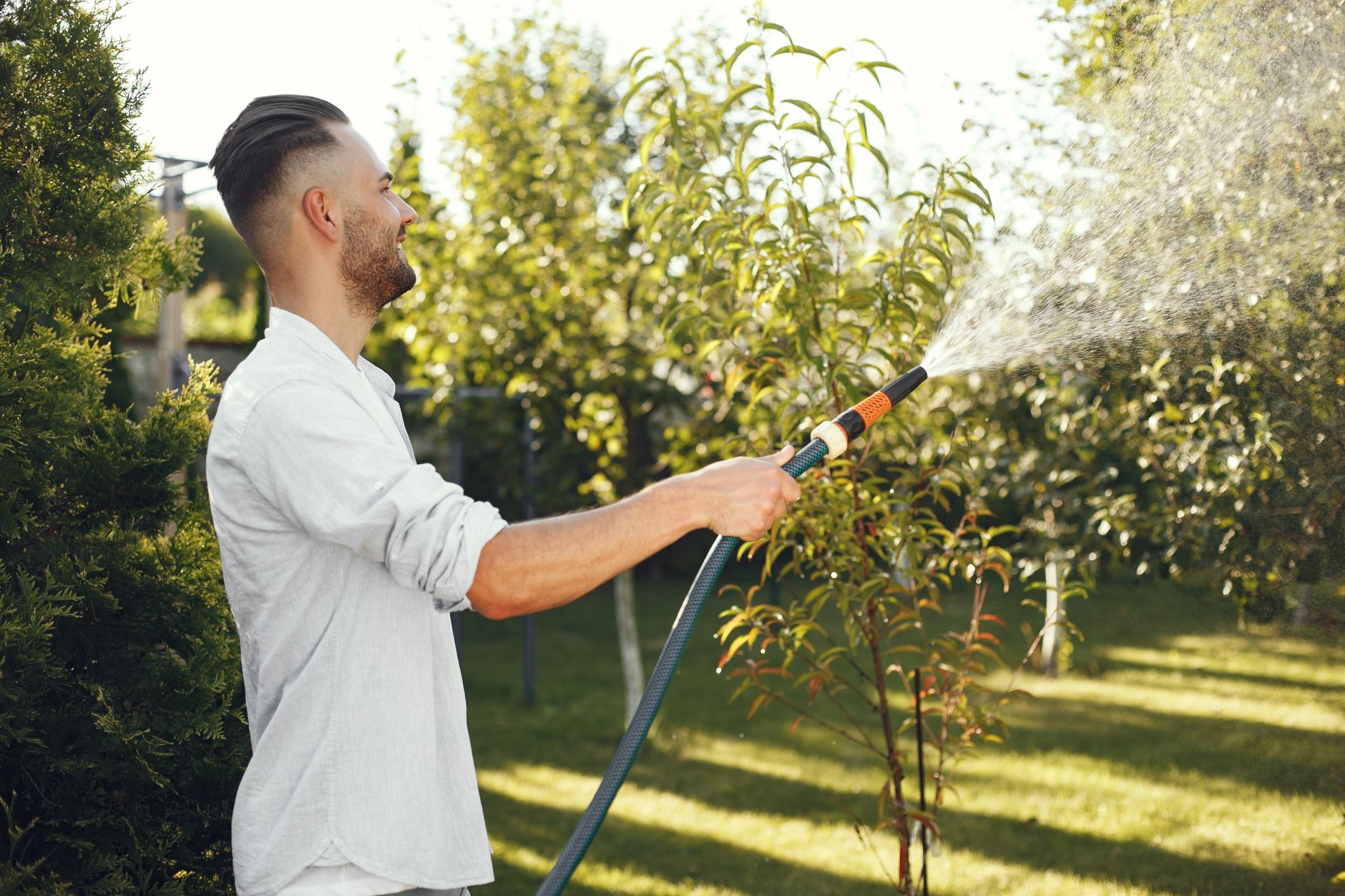
Many new gardeners use overhead sprinklers or spray nozzles that mimic rain, believing it's the most natural way to water. However, for tomatoes, this is a significant beginner mistake. Overhead watering directly contributes to soil splash and keeps foliage wet for extended periods, creating ideal conditions for fungal and bacterial diseases to flourish. Always prioritize targeted watering at the plant's base.
Ignoring Early Symptoms
A real-world constraint for many gardeners is time. It's easy to overlook subtle changes in your plants when you're busy, but early detection of disease symptoms is critical. Regularly inspect your tomato plants, especially the lower leaves, for any discoloration, spots, or wilting. Addressing issues promptly can prevent widespread infection.
Over-Pruning or Under-Pruning
Striking the right balance with pruning can be tricky. Over-pruning can stress the plant and reduce its photosynthetic capacity, while under-pruning leads to dense, humid canopies that invite disease. Focus on removing yellowing, diseased, or low-hanging leaves, along with suckers that are not contributing to fruit production or airflow.
Troubleshooting Existing Infections
If you already notice signs of disease on your lower tomato leaves, act quickly. Remove affected leaves immediately, placing them in the trash (not compost) to prevent further spread. Ensure your pruning tools are sanitized with a 10% bleach solution or rubbing alcohol after each cut, especially between plants. Consider applying an organic fungicide if the problem persists, following product instructions carefully.
For optimal growth, understanding the right conditions from the start is paramount. For example, knowing growing corn in April: soil temperature, block planting, and pollination basics highlights how specific environmental factors are crucial for healthy crops. Similarly, for tomatoes, consistent soil moisture and temperature, alongside good air circulation, are non-negotiable for disease resistance.
FAQ: Frequently Asked Questions About Tomato Disease Prevention
What type of mulch is best for preventing soil splash on tomatoes?
Organic mulches like straw, shredded leaves, or aged wood chips are excellent. They break down over time, enriching the soil, and provide an effective barrier against soil splash. Avoid hay, as it often contains weed seeds that can sprout in your garden.
Can soil splash disease spread to other plants in my garden?
Yes, many soil-borne pathogens are not specific to tomatoes and can infect other susceptible plants, especially those in the nightshade family like peppers, eggplants, and potatoes. Practicing good hygiene and disease prevention throughout your garden is crucial.
How often should I prune the lower leaves of my tomato plants?
You can begin pruning the lowest leaves once the plant is established and has set its first fruit. Continue to remove any leaves that are yellowing, touching the ground, or showing signs of disease throughout the growing season. Don't remove more than 20-30% of the foliage at any one time to avoid stressing the plant.
Is it possible to completely eliminate soil splash disease from my garden?
Completely eliminating all soil-borne pathogens is challenging, as they are naturally present in most soils. However, by consistently implementing the preventive measures discussed – mulching, proper watering, pruning, and ensuring good air circulation – you can significantly reduce the incidence and severity of soil splash-related diseases, leading to a much healthier and more productive tomato harvest.
Final Thoughts on Protecting Your Tomato Harvest
Protecting your tomato plants from soil splash disease is a cornerstone of successful organic gardening. It's an investment in the health and productivity of your plants that pays dividends in bountiful, delicious harvests. By consistently applying a thick layer of mulch, adopting smart watering habits, and engaging in strategic pruning, you create a robust defense against some of the most common and damaging tomato ailments.
Remember, a vigilant eye and proactive measures are your best tools. Regular inspection, combined with these preventive strategies, will ensure your tomato plants remain vibrant and fruitful throughout the growing season, allowing you to enjoy the unparalleled taste of homegrown tomatoes without the heartbreak of disease.