
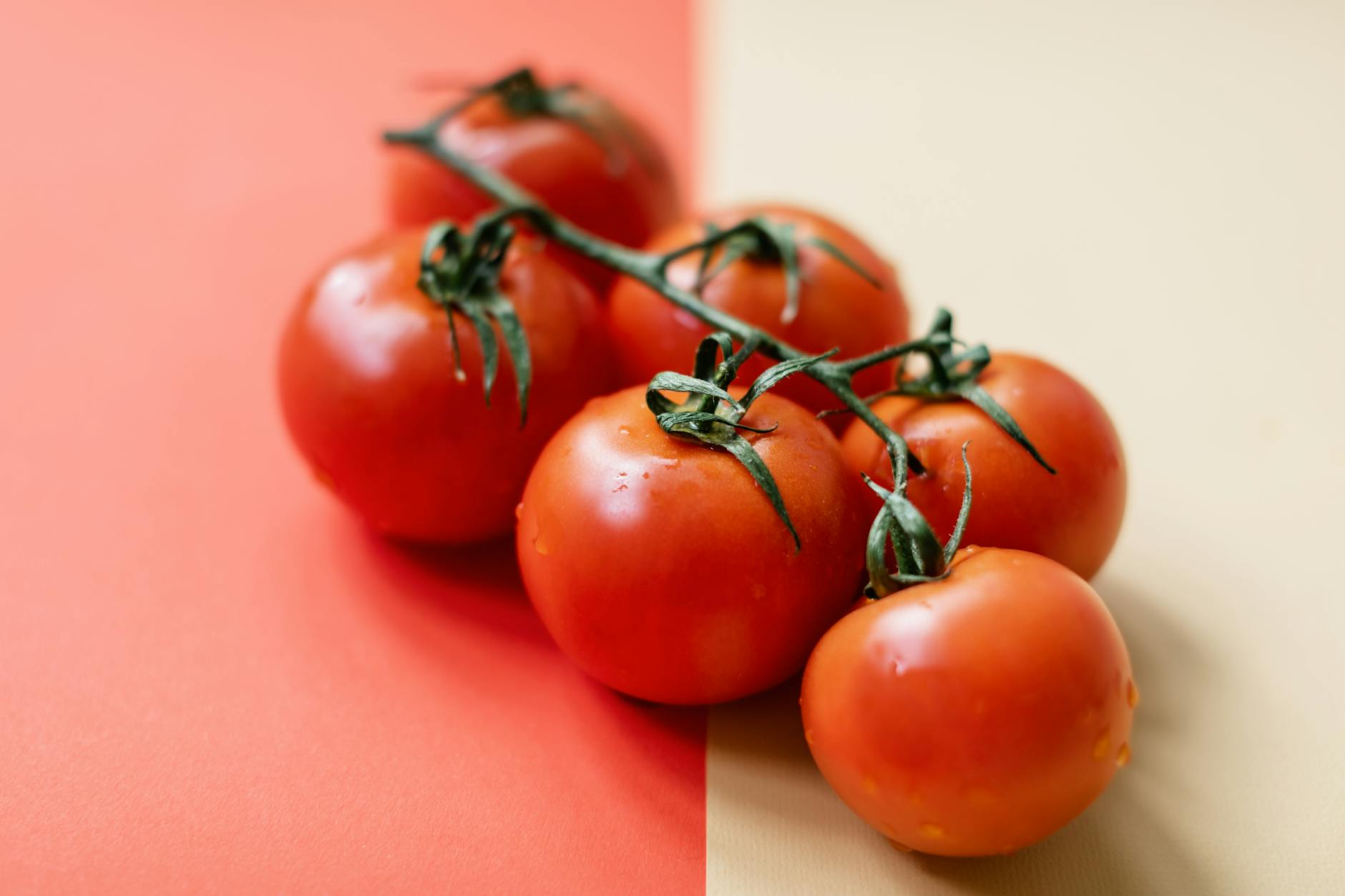
For gardeners facing short growing seasons, selecting the best early tomato varieties short season is crucial for a successful harvest. Focus on determinate varieties with a short "Days to Maturity" (DTM), typically under 65 days. Cold-tolerant options like 'Sub-Arctic Plenty' or 'Stupice' are excellent choices, ensuring ripe fruit before the first frost.
Introduction: Conquering Short Growing Seasons with Early Tomatoes
Gardeners across the USA and Canada often contend with challenging short growing seasons. These limited windows, characterized by late spring frosts and early autumn chills, can make growing heat-loving plants like tomatoes seem daunting. However, with careful selection of the best early tomato varieties short season, a bountiful harvest is well within reach.
Choosing the right tomato is not just about taste; it is about timing. This guide will help you navigate the options, focusing on varieties bred to mature quickly. We will explore specific types and practical cultivation tips to ensure your garden thrives, even when summer feels fleeting.

Understanding "Early" Tomatoes and Their Characteristics
What exactly defines an "early" tomato? In gardening terms, an early tomato is a variety that reaches maturity and begins producing ripe fruit in a shorter period compared to standard varieties. This measurement is known as "Days to Maturity" (DTM), typically counted from the date of transplanting into the garden.
Most early tomato varieties boast a DTM ranging from 50 to 65 days. In contrast, main-season tomatoes often require 70 to 90 days, or even more, to produce their first ripe fruits. This difference of just a few weeks can be the deciding factor between a successful harvest and green, unripe tomatoes at season's end, especially for those in northern climates or high altitudes.
Determinate Versus Indeterminate Varieties
Understanding growth habits is critical when selecting determinate tomatoes short season. Tomato plants are generally classified as either determinate or indeterminate:
-
Determinate Tomatoes: These varieties grow to a specific height, then stop growing and set most of their fruit all at once. This concentrated production makes them ideal for short seasons or for gardeners who want to can or process their harvest in batches. Many of the best early tomato varieties short season fall into this category.
-
Indeterminate Tomatoes: These plants continue to grow and produce fruit throughout the entire season until frost kills them. While they offer a continuous supply, their longer growing period often means they are less suitable for extremely short seasons, unless started very early indoors.
For gardeners seeking to maximize yield in a limited timeframe, prioritizing determinate, early-maturing varieties is a strategic choice. These plants often require less extensive staking and can be more productive per square foot within a short window.
Top Early Tomato Varieties for Short Seasons
When selecting best early tomato varieties short season, consider those specifically bred for quick maturity and, ideally, cold tolerance. These varieties perform exceptionally well in regions with abbreviated summers, making them perfect tomatoes for Canada gardens and similar climates.
Recommended Early Slicer and Cherry Varieties
-
'Sub-Arctic Plenty': One of the most reliable cold tolerant tomato varieties, originating from Canada. It boasts a DTM of just 42-50 days, producing small to medium-sized red fruits even in cooler conditions. This variety is a true workhorse for challenging climates.
-
'Stupice': Hailing from Czechoslovakia, 'Stupice' offers exceptional flavor for an early tomato, with a DTM of 52-65 days. It is an indeterminate variety that performs well in cooler temperatures, yielding 2-4 ounce red fruits consistently. Its adaptability makes it a favorite among gardeners with shorter seasons.
-
'Manitoba': Another excellent Canadian-bred determinate variety, maturing in 60-70 days. 'Manitoba' produces medium-sized, flavorful red slicing tomatoes and is well-suited for cooler climates. This is a robust choice for an early slicer tomato.
-
'Early Girl': A popular indeterminate hybrid with a DTM of 50-60 days. While not specifically cold-tolerant, its rapid maturity makes it a strong contender for an early slicer tomato in many short-season areas, especially if protected from late frosts.
-
'Celebrity': A determinate hybrid with a DTM of 70 days, offering larger, high-quality slicing tomatoes. While slightly longer in maturity, its disease resistance and reliable production make it a viable option for those with moderately short seasons, especially when started early indoors.
-
'Tiny Tim': An incredibly compact determinate cherry tomato, perfect for containers, with a DTM of 45-55 days. While small, it offers very quick harvests of sweet cherry tomatoes.
When reviewing days to maturity tomatoes, remember these are estimates. Local conditions, such as temperature fluctuations and sunlight exposure, can influence the actual harvest time. Prioritize varieties known for their resilience in cooler temperatures to maximize your chances of success.
Cultivation Tips for Faster Tomato Harvests
Beyond selecting the best early tomato varieties short season, implementing strategic cultivation practices can significantly accelerate your harvest. Focus on providing optimal conditions from planting to fruiting.
Site Selection and Soil Preparation
Choose a planting site that receives at least 6-8 hours of direct sunlight daily. Well-draining soil is essential, as waterlogged roots can stunt growth. Amend your garden beds generously with organic matter, such as compost, to improve soil structure and fertility.
For details on enhancing your soil, refer to our guide on how much compost to add in early spring veg beds. Aim for a soil pH between 6.0 and 6.8, which is ideal for tomato growth. A soil test can confirm your current pH levels and nutrient availability.
Planting and Early Care
Start your tomato seeds indoors 6-8 weeks before your last anticipated frost date. This gives seedlings a head start, crucial for short seasons. When transplanting, bury the tomato plant deeply, up to the first set of true leaves; this encourages a stronger root system.
Space plants 24-36 inches apart to ensure adequate air circulation and prevent disease. Consistent watering is vital, especially during flowering and fruiting. Aim for 1-1.5 inches of water per week, either from rain or irrigation, to prevent blossom end rot.
Protection and Maintenance
In regions with unpredictable spring weather, protecting young plants from late frosts is a real-world constraint. Use row covers, cloches, or even inverted buckets to shield plants overnight if temperatures are expected to drop. These measures can extend your effective growing season by several weeks.
For determinate varieties, minimal pruning is usually required, focusing on removing any yellowing or diseased leaves. Indeterminate varieties, like 'Stupice', may benefit from light pruning to improve air flow and direct energy to fruit production. While not directly about tomatoes, understanding general plant maintenance principles, such as those discussed in blueberry pruning in early spring which canes first, can offer insights into encouraging plant vigor.
Troubleshooting Common Issues in Early Tomatoes
Even with the best early tomato varieties short season, issues can arise. Addressing them promptly ensures a healthier plant and a better harvest.
Blossom Drop: This often occurs due to extreme temperatures (too hot or too cold) or inconsistent watering. Ensure consistent moisture and consider temporary shade during heatwaves. Selecting cold tolerant tomato varieties helps mitigate cold-related blossom drop.
Early Blight: A common fungal disease that appears as dark spots on lower leaves. Preventative measures include good air circulation, watering the soil rather than the foliage, and removing infected leaves promptly. Crop rotation also plays a significant role in prevention.

Frequently Asked Questions About Early Tomato Varieties
What does "Days to Maturity" (DTM) mean for tomatoes?
DTM refers to the approximate number of days from transplanting a seedling into the garden until the first ripe fruit can be harvested. For early tomatoes, this period is typically 50-65 days.
Are determinate tomatoes better for short seasons than indeterminate ones?
Yes, generally. Determinate tomatoes produce their fruit over a shorter, more concentrated period, making them ideal for gardeners who need to maximize harvests within a limited growing window before autumn frosts arrive.
Can I grow early tomato varieties in containers?
Absolutely! Many early, determinate tomato varieties, especially compact ones like 'Tiny Tim' or 'Manitoba', are excellent choices for container gardening. Ensure the container is large enough (at least 5-gallon capacity) and has good drainage.
How can I make my tomatoes ripen faster in a short season?
Beyond choosing early varieties, ensure full sun exposure, consistent watering, and proper fertilization. Starting seeds indoors early, using dark-colored mulch to warm the soil, and providing protection from cold snaps can also accelerate ripening.
Conclusion: Enjoying Early Tomato Harvests
Cultivating tomatoes in a short growing season requires thoughtful planning and variety selection, but it is an incredibly rewarding endeavor. By focusing on the best early tomato varieties short season, such as 'Sub-Arctic Plenty' or 'Stupice', and implementing sound cultivation practices, you can enjoy fresh, homegrown tomatoes even in challenging climates.
Embrace the challenge of your region's unique growing conditions. With the right knowledge and a little care, your garden can produce an abundance of delicious, ripe tomatoes, proving that a short season doesn't have to mean a small harvest.
FAQ
What is the best time to start with best early tomato varieties short season in USA/Canada?
The best timing depends on temperature, frost risk, and how quickly the soil warms up in your local area. For most gardeners, steady conditions matter more than rushing the process.
How do I know if conditions are right for best early tomato varieties short season?
Look at soil warmth, moisture balance, sunlight exposure, and the plant’s growth stage. Consistent conditions usually give better results than sudden changes.
What is the most common mistake people make?
The most common mistake is acting too early or overcorrecting care. In gardening, steady progress usually beats aggressive watering, feeding, or transplanting.
Can beginners succeed with best early tomato varieties short season?
Yes. Beginners usually do well when they follow a simple schedule, observe the plant closely, and adjust based on real conditions instead of trying too many fixes at once.
How often should I check moisture, growth, or stress signs?
A quick check several times a week is usually enough. You are looking for changes in leaf color, soil moisture, growth speed, and any signs of stress or pest pressure.
What should I do if results are slower than expected?
Review the basics first: temperature, light, watering, spacing, and airflow. Slow progress is often linked to one environmental factor being slightly off rather than a major failure.