
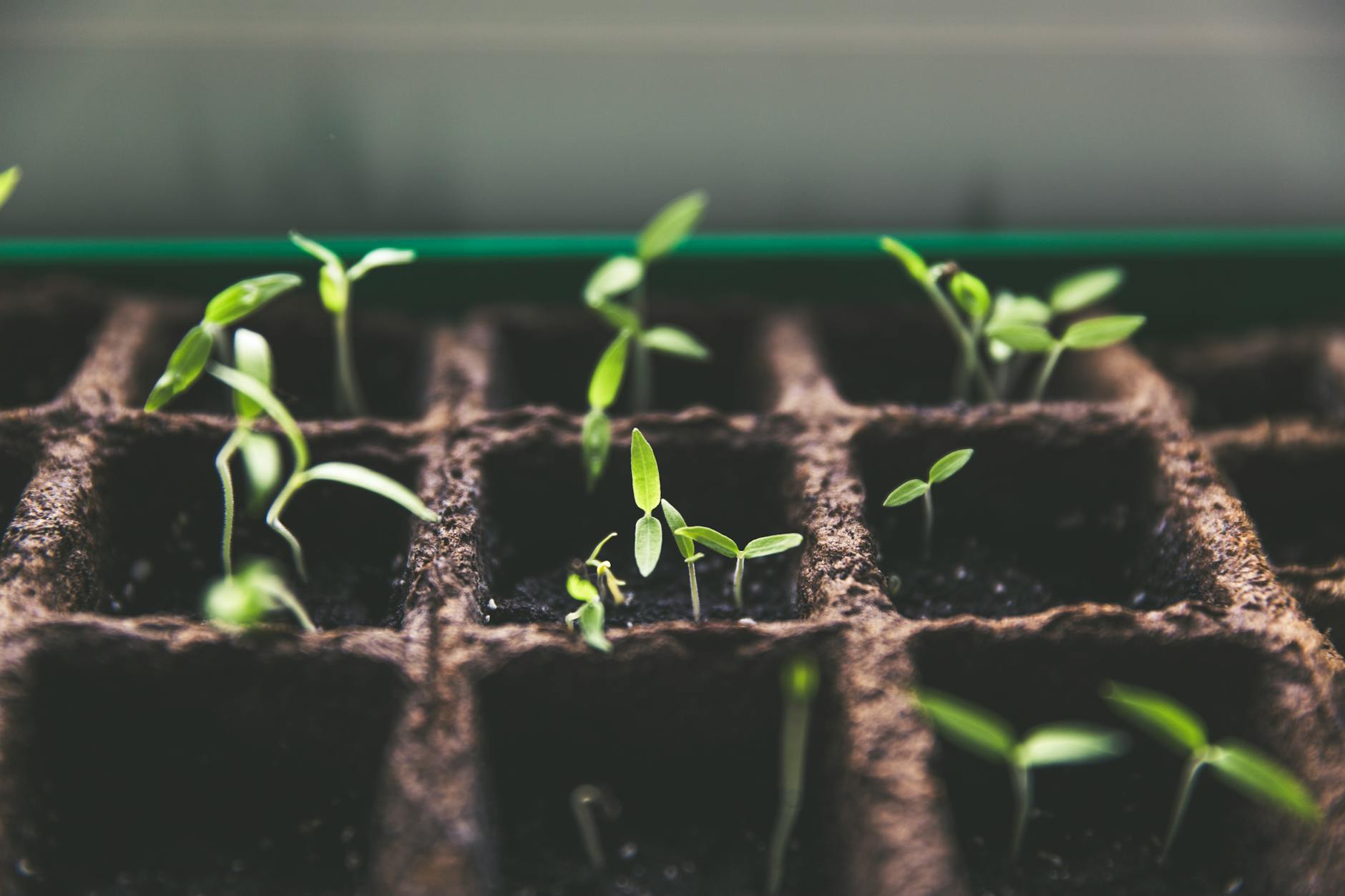
Getting carrot seeds to germinate reliably in cool soil can be a challenge, but it's definitely achievable with the right techniques. The key is to create a more favorable microclimate for the seeds.
This involves managing moisture and temperature consistently during the germination period. By understanding the specific needs of carrot seeds, gardeners can significantly improve their success rates even when planting early in the season.
Why This Matters
Carrots are a beloved garden staple, offering a sweet crunch and vibrant color to countless dishes. However, their notoriously slow and sometimes erratic germination can be a source of frustration for many home gardeners.
When carrot seeds are sown in soil that is too cold or too dry, they can remain dormant for extended periods, or worse, rot before they even have a chance to sprout. This leads to patchy rows and disappointing harvests.
Understanding how to encourage germination in cooler conditions allows you to extend your growing season. It means you can enjoy fresh carrots earlier in spring and potentially even into the fall, depending on your climate.
Furthermore, consistent germination ensures you have a full stand of healthy plants. This leads to better yields and reduces the need for laborious thinning later on, which can be stressful for young carrot plants.
Step-by-Step Guide to Carrot Seed Germination in Cool Soil
Successfully germinating carrot seeds in cool soil requires a proactive approach to seedbed preparation and ongoing care. It's about creating a nurturing environment from the moment the seeds hit the ground.
1. Soil Preparation is Key
Start by preparing your soil well in advance of planting. Carrots prefer loose, well-drained soil free of rocks and debris, which can impede root development.
Amend your soil with compost to improve its structure and fertility. This is especially important in cooler weather, as good soil structure helps with drainage and aeration, preventing waterlogging.
For raised beds, a good quality soil mix is essential. Consider a blend specifically designed for root vegetables, ensuring it's light and airy. You can find excellent guidance on creating such a mix at raised-bed-soil-mix-vegetables.
2. Timing Your Sowing
While we're focusing on cool soil germination, it's still important to avoid planting when the soil is excessively cold and waterlogged. Aim for soil temperatures consistently above 40°F (4°C).
The ideal soil temperature for carrot seed germination is between 50°F and 70°F (10°C and 21°C). However, they will germinate at lower temperatures, just much more slowly.
You can test your soil temperature using a soil thermometer. If the soil is still very cold, it might be worth waiting a week or two for a slight warming trend. You can learn more about soil temperature and its impact on various crops, including peas and spinach, at soil-temperature-planting-peas-spinachl.
3. Sowing the Seeds
Carrot seeds are tiny and can be difficult to sow evenly. To combat this, consider using pelleted seeds, which are coated to make them larger and easier to handle.
Alternatively, you can mix your carrot seeds with a small amount of dry sand or fine potting mix before sowing. This helps distribute them more thinly and prevents overcrowding.
Sow seeds about 1/4 to 1/2 inch deep. Planting them too deep in cool, damp soil can significantly reduce germination rates.
Spacing is crucial. Aim to sow thinly from the start to minimize the need for heavy thinning later. Overcrowded carrots compete for resources and produce smaller roots.
4. Maintaining Consistent Moisture
This is perhaps the most critical step for germination in cool soil. Carrot seeds require consistent moisture to sprout; they should never be allowed to dry out.
Water gently after sowing, using a fine spray to avoid dislodging the tiny seeds. The goal is to moisten the top inch of soil where the seeds are located.
To maintain this moisture, especially in windy or dry conditions, consider covering the seedbed. A light layer of straw, peat moss, or even a thin layer of compost can help retain moisture.
5. Creating a Microclimate with Coverings
For cooler soil conditions, a covering can make a significant difference. A piece of burlap, landscape fabric, or even a thin layer of straw can be laid directly over the sown area.
This covering helps to trap moisture, preventing the soil surface from drying out between waterings. It also provides a slight insulating effect, which can help warm the soil just enough to encourage germination.
Ensure the covering is not too thick, as it can impede the emergence of the tiny carrot seedlings. You'll need to lift it once the seedlings begin to appear.
6. Patience and Observation
Carrot seeds can take anywhere from 7 to 21 days to germinate, especially in cooler soil. Be patient and resist the urge to replant if you don't see immediate results.
Check the soil moisture regularly by gently probing the surface. If it feels dry, water gently again. The covering will help reduce the frequency of watering needed.
Once seedlings begin to emerge, remove the covering gradually. If you used straw, you might need to gently pull some of it away from the emerging seedlings.
7. Thinning the Seedlings
Once your carrot seedlings have a few true leaves and are about 2-3 inches tall, it's time to thin them. This is a vital step for healthy root development.
Thin them to about 2-4 inches apart, depending on the variety you are growing. Smaller varieties can be spaced closer together than larger ones.
Thinning can be done by gently pulling out the excess seedlings or by snipping them off at the soil line with small scissors. This minimizes disturbance to the remaining roots.

Best Conditions for Carrot Seed Germination
Carrots thrive in a range of conditions, but for optimal seed germination, a few factors are paramount. Understanding these will help you fine-tune your approach.
The ideal soil temperature for rapid germination is between 50°F and 70°F (10°C and 21°C). Within this range, seeds typically sprout within 7-14 days.
Consistent moisture is non-negotiable. The soil surface must remain moist but not waterlogged throughout the germination period. Too much water can lead to rot, while too little will prevent the seeds from swelling and sprouting.
Good soil structure is also essential. Loose, well-aerated soil allows for easy root penetration once the seedling emerges and prevents the soil from becoming compacted, which can hinder germination.
Sunlight is not a primary factor for germination itself, as the seeds are sown below the surface. However, once the seedlings emerge, they will require adequate sunlight to grow.
Seasonal Timing for Planting Carrots
The best time to plant carrots depends heavily on your local climate and the specific varieties you choose. However, understanding the general principles of seasonal planting can help you maximize your harvest.
In cooler climates, carrots are typically considered a cool-season crop. This means they can be planted in early spring as soon as the soil can be worked, usually after the last hard frost.
Successive plantings every few weeks throughout the spring and early summer can ensure a continuous harvest. This is often referred to as "staggered planting."
For a fall harvest, you can plant carrots in mid to late summer. The cooler temperatures of autumn are ideal for developing sweet, tender roots.
When planting in cooler soil, be aware that germination will be slower. It's often beneficial to use the techniques discussed to encourage germination even when the soil temperature is on the lower end of the acceptable range.
Common Mistakes to Avoid
Many gardeners encounter difficulties with carrot seed germination due to a few common pitfalls. Being aware of these can save you a lot of frustration.
One of the most frequent mistakes is inconsistent watering. Allowing the soil surface to dry out is a sure way to prevent germination or lead to patchy stands.
Planting seeds too deep is another common error. Carrot seeds need to be close to the surface to emerge successfully, especially in cooler, heavier soils.
Overcrowding the seeds is also problematic. While it might seem like a good idea to sow densely, it leads to competition and requires difficult thinning later on, which can damage the remaining seedlings.
Failing to prepare the soil adequately is another mistake. Rocky or compacted soil makes it difficult for the delicate carrot roots to establish themselves and can hinder germination.
Finally, impatience can lead to replanting too soon. Carrot seeds simply take their time, especially in cooler conditions, and giving them adequate time is crucial.
Pro Tips for Success
Elevating your carrot growing game involves adopting a few advanced strategies. These tips can help ensure a more successful and abundant harvest.
Consider using a seed-starting mat placed under your seed trays if you are starting carrots indoors or in a greenhouse. This provides consistent warmth to the soil, mimicking ideal germination conditions.
When sowing outdoors in cooler weather, try to choose a location that receives good sunlight. While not critical for germination, it helps warm the soil surface.
Mixing carrot seeds with radish seeds can be a clever strategy. Radishes germinate very quickly and their emergence can help break up the soil surface, making it easier for carrots to push through. You can then harvest the radishes before they compete too much with the young carrots.
For very early spring planting, consider using a cloche or a cold frame to cover your carrot bed. This creates a mini-greenhouse effect, significantly warming the soil and protecting it from harsh weather.
Once seedlings are established, consider a light side-dressing of compost or a balanced organic fertilizer. This provides nutrients for strong growth, especially if your soil is not particularly rich.
Troubleshooting Common Issues
Even with the best intentions, you might encounter problems. Here's how to address some of the most common issues with carrot seed germination.
Patchy Germination: This is often due to inconsistent moisture or soil that is too cold. Ensure you are watering consistently and consider using a covering to maintain moisture and a slightly warmer microclimate.
No Germination: If after 3-4 weeks you see no signs of life, the seeds may have been planted too deep, the soil may have been too cold and wet, or the seeds may be old and no longer viable. Check your seed packet for expiration dates.
Soil Crusting: A hard crust can form on the soil surface, preventing seedlings from emerging. This is more common in fine-textured soils or when heavy rain compacts the surface. Gently breaking up the crust with a rake or hoe, or watering with a fine mist, can help. Using a covering can also prevent crusting.
Seedlings Wilting Immediately After Emergence: This can be a sign of damping-off disease, often caused by overly wet soil and poor air circulation. Ensure good drainage and avoid overwatering. Thinning seedlings can also improve air circulation.
Frequently Asked Questions (FAQ)
Q: How long does it take for carrot seeds to germinate in cold soil?
A: In cold soil, carrot seeds can take significantly longer to germinate, often between 14 and 21 days, or even longer if conditions remain very cool. Patience is key, and consistent moisture is more important than speed.
Q: Can I use a heat mat for carrot seeds?
A: Yes, a heat mat can be very beneficial, especially for starting carrots indoors or in a greenhouse. It provides consistent warmth to the soil, which significantly speeds up germination, even if you plan to transplant them later into cooler outdoor conditions.
Q: What is the minimum soil temperature for carrot germination?
A: While carrots can technically germinate at temperatures as low as 40°F (4°C), this process will be very slow and the seedlings will be weak. Aim for soil temperatures consistently above 50°F (10°C) for more reliable and timely germination.
Q: Should I cover my carrot seeds with a thick layer of soil?
A: No, carrot seeds should be sown shallowly, about 1/4 to 1/2 inch deep. A thick layer of soil can prevent the delicate seedlings from reaching the surface, especially in heavy or compacted soils.
Conclusion
Growing carrots from seed, particularly in cooler soil conditions, is a rewarding endeavor that requires attention to detail and a bit of patience. By understanding the specific needs of carrot seeds for moisture, temperature, and soil structure, you can overcome common germination challenges.
Implementing techniques such as consistent watering, shallow sowing, and the use of protective coverings can create a more favorable microclimate, leading to more uniform and successful germination.
Don't be discouraged by slow germination rates in cool weather; embrace the process and enjoy the satisfaction of harvesting your own delicious carrots, knowing you've mastered the art of coaxing them from the earth.
FAQ
What is the best time to start with carrot seed germination cold soil in USA/Canada?
The best timing depends on temperature, frost risk, and how quickly the soil warms up in your local area. For most gardeners, steady conditions matter more than rushing the process.
How do I know if conditions are right for carrot seed germination cold soil?
Look at soil warmth, moisture balance, sunlight exposure, and the plant’s growth stage. Consistent conditions usually give better results than sudden changes.
What is the most common mistake people make?
The most common mistake is acting too early or overcorrecting care. In gardening, steady progress usually beats aggressive watering, feeding, or transplanting.
Can beginners succeed with carrot seed germination cold soil?
Yes. Beginners usually do well when they follow a simple schedule, observe the plant closely, and adjust based on real conditions instead of trying too many fixes at once.
How often should I check moisture, growth, or stress signs?
A quick check several times a week is usually enough. You are looking for changes in leaf color, soil moisture, growth speed, and any signs of stress or pest pressure.
What should I do if results are slower than expected?
Review the basics first: temperature, light, watering, spacing, and airflow. Slow progress is often linked to one environmental factor being slightly off rather than a major failure.