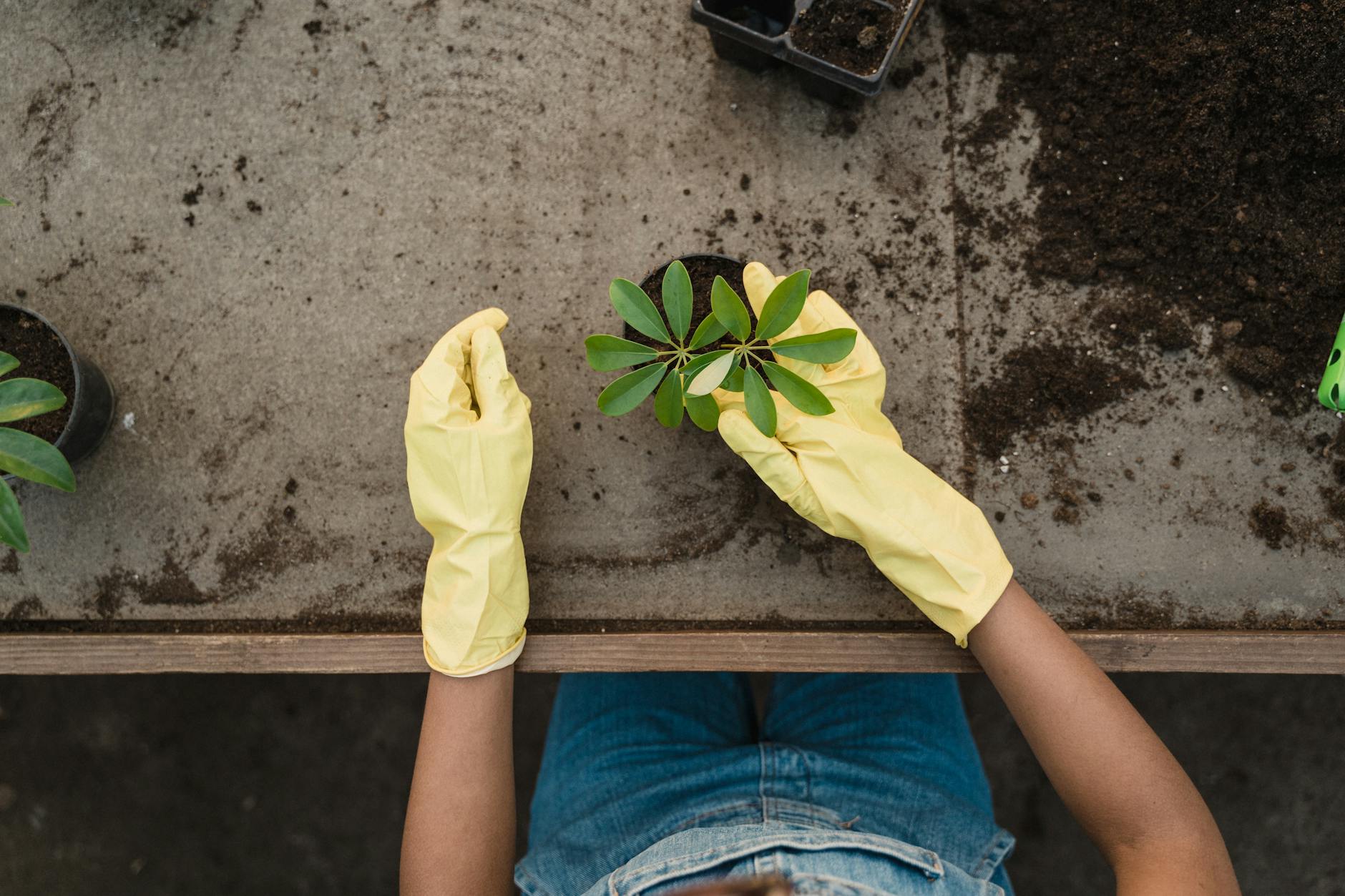
Planning a container vegetable garden for spring involves selecting appropriate pot sizes that match your chosen plants' mature growth, ensuring proper drainage, and filling them with a high-quality, nutrient-rich potting mix. Consistent watering and a strategic feeding schedule are crucial for a bountiful harvest. By prioritizing these elements, you can enjoy fresh produce even in limited spaces.
Why This Matters
Embracing container gardening offers incredible flexibility and allows anyone to cultivate fresh vegetables, regardless of yard size. It transforms small patios, balconies, or even sunny windowsills into productive growing areas. This method also provides greater control over soil conditions, minimizing issues like poor drainage or soil-borne pests often found in traditional garden beds.
Container gardening empowers urban dwellers and those with limited space to enjoy the benefits of homegrown food. You gain the ability to move plants to optimize sun exposure or protect them from unexpected weather. This adaptability makes it an exceptionally rewarding and practical approach to gardening.
The Advantages of Growing in Containers
Growing vegetables in pots brings numerous benefits that appeal to both novice and experienced gardeners. It offers a convenient solution for managing specific soil needs for different plants. Furthermore, the elevated nature of containers can reduce bending and kneeling, making gardening more accessible.
Another significant advantage is the potential for pest and disease management. Isolating plants in containers can limit the spread of issues that might quickly devastate an in-ground garden. This method truly puts you in the driver's seat of your garden's health and productivity.
Step-by-Step Guide to Your Spring Container Garden
Starting a successful container vegetable garden begins with careful planning and execution. Following a structured approach ensures you lay a strong foundation for healthy plants and abundant harvests. Each step is designed to optimize growing conditions from the very beginning.
1. Choose Your Vegetables Wisely
Begin by selecting vegetables known to thrive in containers and those that fit your available sunlight. Compact varieties of tomatoes, peppers, bush beans, lettuce, spinach, and radishes are excellent choices. Consider your family's preferences and how much you plan to harvest.
2. Select Appropriate Container Sizes
Matching the pot size to the plant's mature root system is critical for success. Too small a pot will stunt growth and require constant watering. Ensure all containers have drainage holes to prevent waterlogging, which is detrimental to most vegetable roots.
3. Source Quality Potting Mix
Never use garden soil in containers as it compacts too easily and lacks proper drainage. Opt for a premium, lightweight potting mix specifically formulated for containers. A good mix provides aeration, retains moisture, and offers initial nutrients.
4. Plan Your Layout for Optimal Sun Exposure
Observe your growing area throughout the day to identify spots that receive at least 6-8 hours of direct sunlight. Arrange your containers to maximize this exposure, placing taller plants where they won't shade shorter ones. Remember that container plants can be moved if sun patterns shift.
5. Planting Your Seeds or Starts
Follow the planting instructions for your chosen vegetables, paying close attention to recommended spacing and depth. For seeds, sow according to package directions. If using seedlings, gently remove them from their nursery pots and plant them at the same depth they were previously growing.
6. Initial Watering and Feeding
After planting, water thoroughly until water drains from the bottom of the pot. This settles the soil around the roots. For most vegetables, begin a dilute feeding schedule a few weeks after planting, once they have established themselves and started actively growing.
Best Conditions for Thriving Container Vegetables
Creating the ideal environment for your container vegetables involves understanding their fundamental needs. From the right amount of sunlight to the perfect soil blend, each element contributes significantly to a successful harvest. Attention to these details will pay dividends in your garden's performance.
Sunlight is Non-Negotiable
Most fruiting vegetables, such as tomatoes, peppers, and cucumbers, require a minimum of six to eight hours of direct sunlight daily. Leafy greens like lettuce and spinach can tolerate slightly less, around four to six hours. Position your containers in the sunniest spot available, adjusting their location as the sun's path changes throughout the season.
Choosing the Right Pot Sizes
The size of your container directly impacts the health and yield of your plants. Smaller pots (1-3 gallons) are suitable for herbs, lettuce, and radishes. Medium pots (5-7 gallons) work well for peppers, eggplants, and bush beans. For large plants like tomatoes, cucumbers, or zucchini, aim for at least 10-20 gallon containers to provide ample root space and moisture retention. When considering
container size for tomatoes, remember that larger is almost always better for these thirsty, hungry plants.
The Perfect Potting Mix for Containers
A high-quality potting mix is paramount for container success. Look for a mix that is lightweight, well-draining, and rich in organic matter. Many commercial potting mixes contain a blend of peat moss or coco coir, perlite or vermiculite, and compost. This combination ensures good aeration, moisture retention, and provides a fertile environment for roots. While discussing soil composition, understanding principles for
Raised bed soil mix vegetables can also inform your choices for container media, particularly regarding nutrient balance.
Effective Watering Strategies
Container plants typically need more frequent watering than in-ground plants because their soil dries out faster. Check the soil moisture daily by sticking your finger about an inch deep. If it feels dry, it's time to water thoroughly until excess water drains from the bottom. Avoid letting pots sit in standing water, as this can lead to root rot.
Fertilizer Schedule for Container Vegetables
Since nutrients leach out of containers with watering, a consistent fertilizer schedule is essential. Start feeding your plants about two to four weeks after planting with a balanced liquid fertilizer diluted to half strength. Alternatively, incorporate a slow-release granular fertilizer into the potting mix at planting time. Follow product instructions for frequency, typically every two to four weeks for liquid feeds.
Seasonal Timing for Spring Planting
Understanding the rhythm of the seasons is key to successful spring container gardening. Timing your planting correctly ensures your vegetables get the best start and avoid late frosts. This careful planning maximizes your chances for a robust harvest.
For most regions in the USA and Canada, the best time to start seeds indoors for spring planting is typically 6-8 weeks before your average last frost date. This gives seedlings a head start and allows them to be robust enough for transplanting. Common vegetables like tomatoes, peppers, and eggplants benefit greatly from this indoor start.
Once the danger of frost has passed and night temperatures consistently stay above 50°F (10°C), it's safe to move your container plants outdoors. Gradually acclimate them to outdoor conditions over a week or two, a process known as hardening off. This prevents shock and ensures a smoother transition.
Succession planting is a valuable technique for container gardens, especially for leafy greens and radishes. By sowing small batches of seeds every two to three weeks, you can enjoy a continuous harvest throughout the spring and early summer. This strategy prevents a single large harvest followed by empty pots.
Common Mistakes to Avoid
Even experienced gardeners can sometimes overlook critical details, especially in container gardening. Being aware of common pitfalls can save you time, effort, and disappointment. Learning from these potential missteps will improve your gardening success.
One of the most frequent errors is using containers that are too small for the mature size of the plant. This restricts root growth, leads to stunted plants, and necessitates excessively frequent watering. Always err on the side of a larger pot for most vegetables.
Another significant mistake is using regular garden soil or topsoil in your containers. Garden soil is too dense and will compact, suffocating roots and preventing proper drainage and aeration. Always use a high-quality potting mix designed for containers.
Inconsistent watering is a major cause of stress for container plants. Both overwatering and underwatering can lead to problems. Overwatering deprives roots of oxygen, while underwatering causes wilting and nutrient deficiencies. Develop a routine for checking soil moisture daily.
Neglecting drainage is another critical error. Containers without adequate drainage holes will quickly become waterlogged, leading to root rot and plant death. Ensure all your pots have sufficient drainage to allow excess water to escape freely.
Finally, placing sun-loving vegetables in too much shade will result in spindly growth and poor yields. Always ensure your plants receive their required amount of direct sunlight. This often means observing your space for a full day before placing containers.
Pro Tips for Container Gardening Success
Elevate your container gardening game with these practical tips designed to optimize growth and simplify care. Incorporating these strategies can lead to healthier plants and more abundant harvests. Small adjustments can make a big difference.
Consider using self-watering containers, especially for thirsty plants like tomatoes or cucumbers. These pots have a reservoir that wicks water up to the soil, significantly reducing the frequency of manual watering. They are a real-world constraint solution for busy gardeners.
Mulching the top of your container soil with a layer of straw, shredded leaves, or wood chips can help retain moisture, regulate soil temperature, and suppress weeds. This reduces the need for frequent watering and keeps roots cooler on hot days.
Explore companion planting within your containers. For example, planting marigolds near your vegetables can deter pests, while basil planted with tomatoes is said to enhance flavor. Research beneficial pairings for your specific plants.
Many seed companies now offer compact or "bush" varieties of popular vegetables specifically bred for container growing. Look for terms like "patio," "dwarf," or "bush" when selecting seeds or starts. This ensures a better fit for your confined spaces.
When starting seeds indoors, especially those requiring warmth like peppers, consider using a heat mat. Optimal soil temperatures can significantly improve germination rates and speed up sprout emergence. For more detailed guidance, check resources on
Pepper seed starting heat mat temps for fast sprouts.
Troubleshooting Common Container Plant Issues
Even with the best planning, your container garden might encounter a few bumps along the way. Knowing how to identify and address common problems can help you quickly get your plants back on track. Early detection is often the key to successful recovery.
If your plants are wilting, the most common culprits are either too much or too little water. Check the soil moisture by hand; if it's bone dry, water thoroughly. If it's soggy, hold off on watering and ensure drainage. Overwatering can be just as damaging as underwatering.
Yellowing leaves can indicate a nutrient deficiency, especially in fast-growing container plants that quickly deplete soil nutrients. Ensure you are following a consistent fertilizer schedule. Sometimes, yellowing can also be a sign of overwatering or insufficient light.
Pests are an inevitable part of gardening, but they are often easier to manage in containers. Regularly inspect your plants for signs of aphids, spider mites, or whiteflies. Early intervention with organic insecticidal soap or neem oil can prevent infestations from spiraling out of control.
Stunted growth or lack of fruit set often points to insufficient sunlight or inadequate nutrition. Re-evaluate your container placement to ensure maximum sun exposure. Also, confirm your fertilizer is appropriate for fruiting vegetables and applied consistently.
FAQ
What are the best vegetables for patio pots?
Excellent choices for patio pots include bush varieties of tomatoes, bell peppers, eggplants, and cucumbers. Leafy greens like lettuce, spinach, and Swiss chard also thrive, as do radishes, carrots (short varieties), and various herbs. Look for compact or dwarf designations on seed packets for optimal container performance.
How often should I fertilize container vegetables?
The frequency of fertilization depends on your potting mix and the plant's needs. Generally, begin feeding with a diluted liquid fertilizer every two to four weeks once plants are established. If using a slow-release granular fertilizer, it typically lasts for several months; check the product label for specific duration and reapplication instructions.
Can I reuse potting mix from last year?
It's generally not recommended to reuse old potting mix for new vegetable plantings. Over time, potting mix degrades, loses its structure, and becomes depleted of nutrients. It may also harbor disease pathogens or pest eggs. For best results, start with fresh, sterile potting mix each season.
What's the ideal depth for a container vegetable garden?
The ideal depth varies by vegetable, but a general rule of thumb is to provide at least 6-8 inches for shallow-rooted plants like lettuce and radishes. For medium-rooted plants such as peppers and bush beans, aim for 10-12 inches. Deep-rooted vegetables like tomatoes and pole beans will thrive in containers 18-24 inches deep.
Embrace Your Container Gardening Journey
Embarking on a container vegetable garden journey is a rewarding experience that brings fresh produce right to your doorstep. With thoughtful planning, the right supplies, and consistent care, you can enjoy a vibrant and productive garden in any space. The satisfaction of harvesting your own food, even from a small patio, is truly unparalleled. Take these tips to heart and watch your container garden flourish this spring.