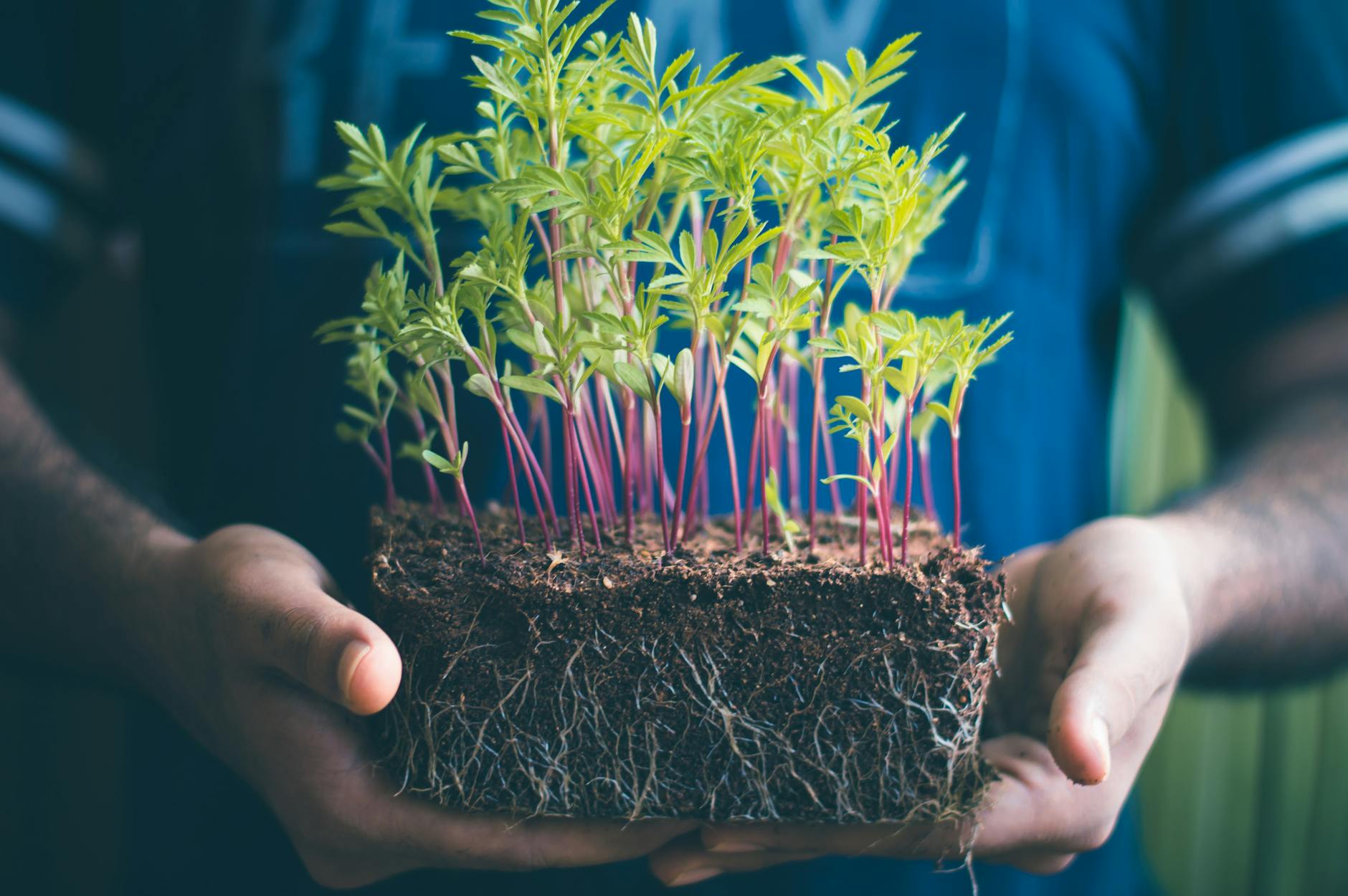
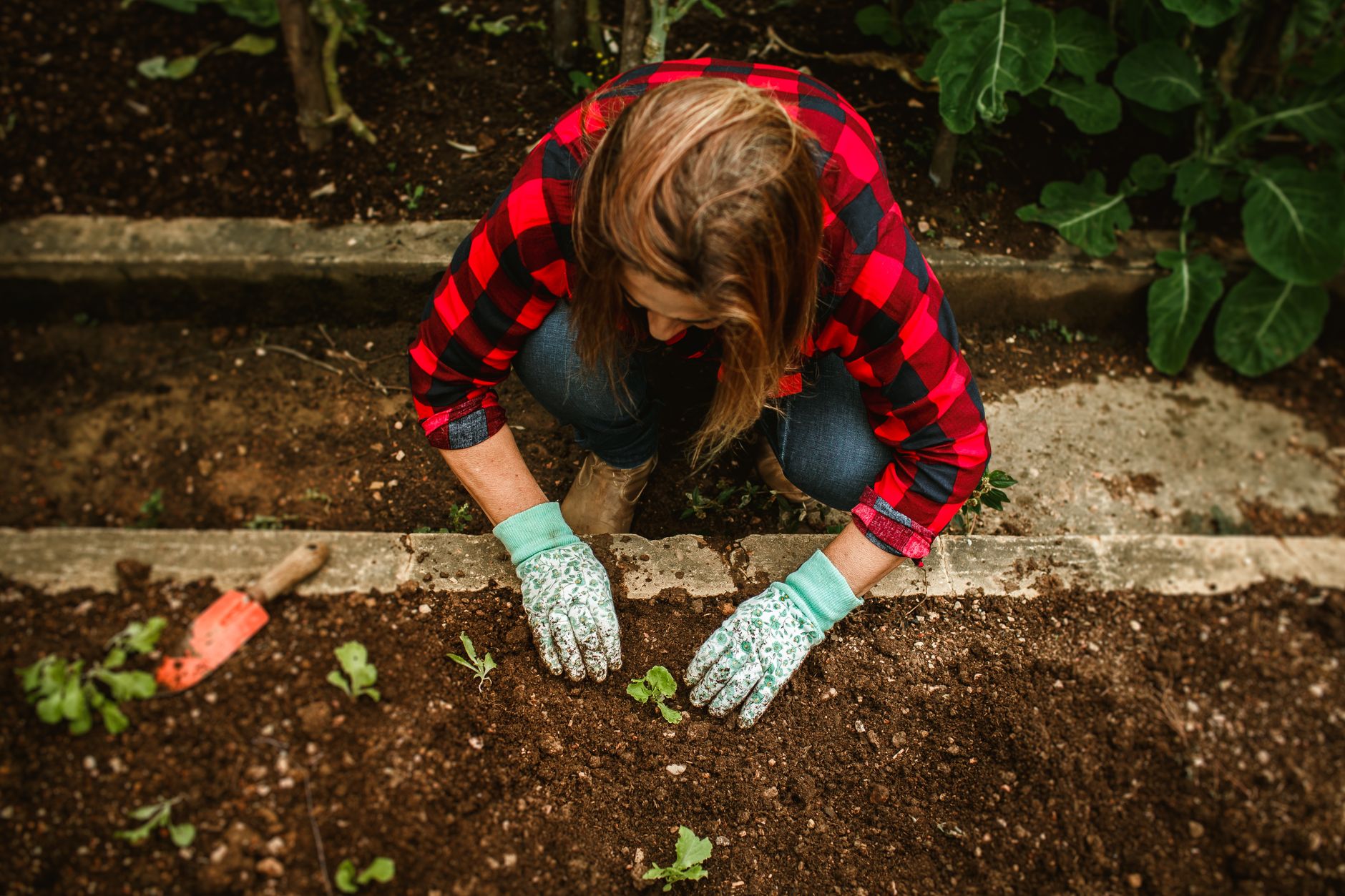
Direct sowing carrots, beets, and lettuce in April is highly effective when soil temperatures are consistently cool but workable. Success hinges on proper seedbed preparation, precise shallow planting, and maintaining consistent moisture. Thinning seedlings at the right time is crucial to prevent overcrowding and ensure robust plant development without wasting seeds.
Why This Matters
Wasting precious seeds due to poor germination or incorrect planting techniques can be disheartening for any gardener. By mastering the art of direct sowing these cool-season vegetables in April, you ensure a higher success rate and healthier plants from the outset. This approach minimizes transplant shock and allows roots to establish naturally in their permanent home, leading to stronger growth and better yields. Understanding the specific needs of carrots, beets, and lettuce during this early spring window can significantly impact your garden's productivity and your overall gardening enjoyment.
Step-by-Step Guide
Prepare Your Soil
Begin by selecting a sunny spot in your garden that receives at least six hours of direct sunlight daily. Loosen the soil to a depth of 8-12 inches, removing any rocks, clumps, or debris that could impede root growth. Incorporate a good quality compost or well-rotted manure to enrich the soil, improving its structure and fertility. A fine, crumbly soil texture is essential for tiny seeds like carrots and lettuce to germinate successfully.
Sowing Carrots
Create shallow furrows about 1/4 inch deep and 1 foot apart. Lightly moisten the furrow before sowing your carrot seeds very thinly, aiming for about 15-20 seeds per foot. Cover the seeds with a thin layer of fine soil or compost, gently patting it down to ensure good seed-to-soil contact. Mark your rows clearly to avoid disturbing them.
Sowing Beets
Plant beet seeds about 1/2 inch deep and 3-4 inches apart in rows spaced 12-18 inches apart. Beet "seeds" are actually clusters of several seeds, so even if you plant them individually, multiple seedlings may emerge. This characteristic means thinning is particularly important for beets later on. Cover them with soil and gently firm the surface.
Sowing Lettuce
Lettuce seeds require light to germinate, so sow them very shallowly, barely covering them with a fine dusting of soil, no more than 1/8 inch deep. Space seeds about 1 inch apart in rows 12-18 inches apart, or broadcast them thinly over a prepared bed for a cut-and-come-again harvest. Ensure the soil remains consistently moist after planting.
Watering and Thinning
After sowing, gently water the area using a fine spray to avoid disturbing the seeds. Maintain consistent moisture in the soil, especially during the germination period, which can take 7-14 days depending on the vegetable and conditions. Once seedlings emerge and develop their first true leaves, begin the crucial process of thinning. For carrots, thin to 2-4 inches apart, for beets to 3-6 inches apart, and for lettuce to 6-12 inches apart, depending on the variety. This step prevents overcrowding and allows remaining plants to grow strong and healthy.
Best Conditions
Soil Temperature and Type
Carrots, beets, and lettuce thrive in cool soil conditions, with ideal germination temperatures ranging from 45-75°F (7-24°C). April in many regions of the USA and Canada typically provides this perfect window. A well-draining, loose, loamy soil rich in organic matter is paramount. Compacted or heavy clay soils can hinder root development, especially for carrots, leading to stunted or misshapen produce. Ensure your soil pH is between 6.0 and 7.0 for optimal nutrient uptake.
Sunlight and Moisture
All three vegetables prefer full sun, meaning at least six hours of direct sunlight daily. Consistent moisture is critical from sowing through harvest. The soil should remain damp, but never waterlogged, as this can lead to rot or fungal issues. Uneven watering, especially for carrots and beets, can cause splitting or tough roots. Consider using a light mulch after germination to help retain soil moisture and regulate temperature.
Seasonal Timing
April is an excellent month for direct sowing carrots, beets, and lettuce in most temperate regions of the USA and Canada. The threat of hard frost usually diminishes, and soil temperatures begin to rise to suitable levels for these cool-season crops. However, always check your local last frost date and current soil temperatures. Planting too early when the soil is still excessively cold can lead to poor germination and slower growth. Conversely, waiting too long as temperatures climb into late spring can cause lettuce to bolt prematurely and carrots/beets to struggle in the heat. For more detailed information on spring planting, consider our
Hardening Off Seedlings in April: A Practical Schedule guide, which also touches on early season readiness.
Common Mistakes
Planting Too Deep or Too Shallow
One of the most frequent errors is planting seeds at the wrong depth. Tiny seeds like lettuce and carrots need very shallow planting, often barely covered, to receive the light and warmth necessary for germination. Planting them too deep can prevent them from emerging, while planting too shallowly can cause them to dry out quickly.
Overwatering or Underwatering
Inconsistent watering is detrimental. Overwatering can lead to damping-off disease, where young seedlings suddenly collapse. Underwatering, especially during the critical germination phase, can prevent seeds from sprouting altogether. The soil needs to be consistently moist, like a wrung-out sponge, not soggy or parched.
Neglecting to Thin Seedlings
Skipping the thinning process is a common mistake that severely impacts yield and quality. Overcrowded seedlings compete fiercely for light, water, and nutrients, resulting in stunted, weak plants and smaller, less flavorful produce. Thinning feels counterintuitive, but it's essential for healthy development.
Poor Soil Preparation
Planting into compacted, rocky, or nutrient-poor soil is a recipe for disappointment. Carrots, in particular, need loose, stone-free soil to develop straight, well-formed roots. Beets also struggle in heavy clay, while lettuce can tolerate a wider range but still benefits greatly from well-amended soil.
Pro Tips
Use Seed Tapes or Pelleted Seeds
For tiny seeds like carrots and lettuce, seed tapes or pelleted seeds can make precise spacing much easier, reducing the need for extensive thinning later. Seed tapes are biodegradable strips with pre-spaced seeds, while pelleted seeds are coated to make them larger and easier to handle.
Succession Planting
To enjoy a continuous harvest, practice succession planting. Sow small batches of seeds every 2-3 weeks from early April through late spring. This ensures you have fresh produce maturing at different times rather than a single large harvest followed by a gap.
Incorporate Sand for Carrots
If your soil isn't as loose as you'd like, consider mixing a small amount of fine sand into your carrot rows. This helps create a less resistant medium for the delicate taproots, promoting straighter, more uniform carrots. Aim for about a 1:3 ratio of sand to soil in the planting furrow.
Maintain Consistent Moisture with Mulch
Once seedlings are established, apply a thin layer of organic mulch, such as straw or finely shredded leaves, around your plants. This helps to conserve soil moisture, suppress weeds, and regulate soil temperature, providing a more stable environment for your growing vegetables.
Troubleshooting
Patchy Germination
If you experience patchy germination, several factors could be at play. The most common culprits are inconsistent moisture, planting depth errors, or old, non-viable seeds. Ensure the soil stays evenly moist, re-check your planting depth, and consider using fresh seeds next time. Sometimes, soil temperature fluctuations can also lead to uneven sprouting, especially in early spring.
Slow or Stunted Growth
Slow growth usually points to nutrient deficiencies, poor soil structure, or insufficient sunlight. Conduct a soil test to determine nutrient levels and amend as needed. Ensure your plants are receiving at least six hours of direct sun. Overcrowding, a result of not thinning, is another major cause of stunted growth, as plants compete for limited resources.
Pests and Diseases
Young seedlings are vulnerable to pests like slugs, snails, and cutworms. Use physical barriers like row covers or collars around stems to protect them. Common diseases like damping-off are often caused by overly wet conditions, so ensure good drainage and avoid overwatering. Regularly inspect your plants for any signs of trouble to catch issues early.
FAQ
Can I plant carrots, beets, and lettuce together in the same bed?
Yes, you can plant these vegetables together in the same bed, as they all enjoy similar cool-season conditions and sunlight requirements. Just ensure adequate spacing between rows to allow for growth and easy access for weeding and harvesting.
What if a late frost is predicted after I've sown my seeds?
While seeds are generally safe underground, emerging seedlings can be vulnerable. If a late frost is predicted, you can protect young sprouts with row covers, cloches, or even old sheets overnight. This will help insulate them from the sudden drop in temperature.
How often should I water my direct-sown seeds after planting?
After planting, the soil should be kept consistently moist until germination occurs. This might mean light watering once or twice a day, depending on your climate and soil type. Once seedlings are established, deep watering every few days, allowing the top inch of soil to dry slightly between waterings, is generally sufficient.
When is the best time to thin my seedlings?
Thin your seedlings when they have developed their first set of true leaves, which are the leaves that appear after the initial cotyledons. This is typically a few weeks after germination. Thinning earlier can make it difficult to identify the strongest seedlings, while waiting too long can lead to root entanglement and damage to remaining plants.
What's the best way to prepare the soil for these specific vegetables?
The best soil preparation involves loosening the soil to at least 8-12 inches deep, removing all rocks and debris, and incorporating 2-4 inches of well-rotted compost or aged manure. This creates a fine, crumbly, nutrient-rich bed that is ideal for delicate root development and strong growth. For more detailed regional planting advice, check out
What to Plant in April in Australia: Cool, Temperate, Subtrop, which offers a comparative look at different climates.
Happy Sowing!
Direct sowing carrots, beets, and lettuce in April is a rewarding practice that sets the stage for a bountiful harvest. By following these practical steps and understanding the specific needs of each plant, you can ensure strong germination and healthy growth without the frustration of wasted seeds. Embrace the cool spring soil, pay attention to detail, and enjoy the satisfaction of nurturing your vegetables from tiny seed to delicious harvest.