
Direct Sow vs. Transplant: Which Vegetables Hate Root Disturbance?
Related: raised-bed-soil-mix-vegetables.html
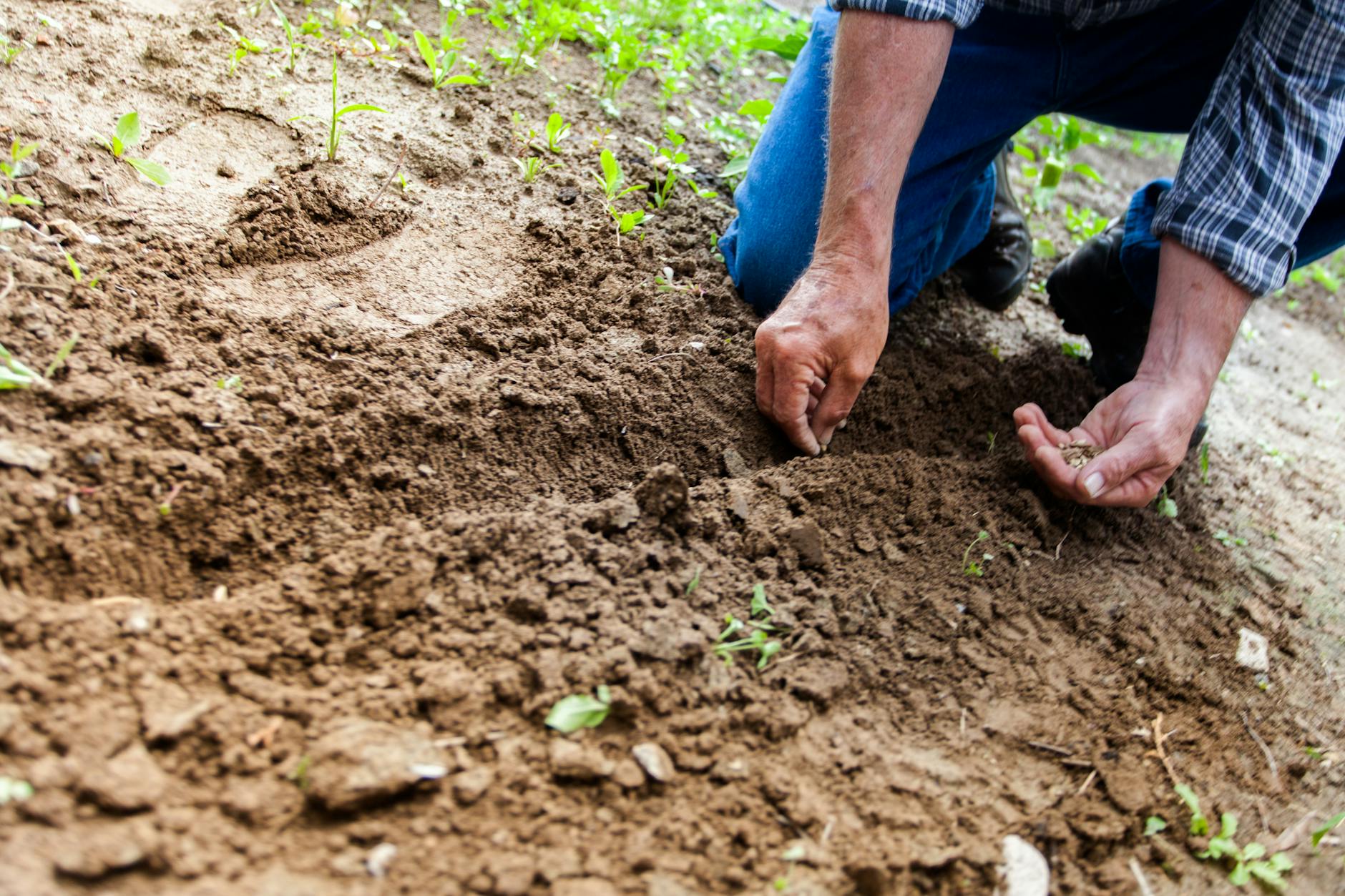


As a seasoned gardener, I've learned a few hard truths. One of the most profound, and often frustrating, is that not all vegetable seeds are created equal when it comes to their tolerance for being moved. While starting seeds indoors and transplanting them out can offer a significant head start, certain plants simply abhor the process. Their delicate root systems, designed for undisturbed growth, can suffer severe setbacks, leading to stunted plants, reduced yields, and sometimes, complete failure.
For many vegetable gardeners, especially those in the USA and Canada looking to maximize their growing season, the question of whether to sow directly into the garden or start indoors and transplant is a recurring one. This decision hinges on understanding the specific needs of each vegetable. This guide will delve deep into the world of root disturbance, highlighting the vegetables that absolutely demand direct sowing and explaining why transplanting them is a recipe for disaster. We'll equip you with the knowledge to make informed decisions, leading to healthier plants and a more bountiful harvest.
Table of Contents
Related: prevent-damping-off-seedlings.html
* Quick Answer
* Why This Matters
* The Science Behind Root Sensitivity
* Vegetables That Strongly Prefer Direct Sowing
* Factors Influencing Transplant Success (and Failure)
* Step-by-Step Guide: Mastering Direct Sowing
* Best Conditions for Direct Sown Vegetables
* Seasonal Timing for Direct Sowing
* Common Mistakes to Avoid
* Pro Tips for Direct Sowing Success
* Troubleshooting Direct Sown Seedlings
* FAQ: Direct Sowing vs. Transplanting
* Conclusion
Quick Answer
Related: blueberry-pruning-in-early-spring-which-canes-first
Certain vegetables have taproots or very sensitive shallow root systems that are easily damaged when transplanted. These include root crops like carrots, parsnips, radishes, and beets, as well as beans, peas, corn, and melons. Direct sowing these into their final garden location is crucial for optimal growth and yield. Transplanting them can lead to significant setbacks due to root disturbance.
Why This Matters
Related: peach-leaf-curl-prevention-dormant-spray-timing
Understanding which plants dislike root disturbance is fundamental to successful vegetable gardening. Attempting to transplant vegetables that prefer direct sowing can lead to:
* Reduced Yields: Damaged roots struggle to absorb nutrients and water, impacting the plant's ability to produce fruits or vegetables.
* Stunted Growth: Plants may take weeks to recover from transplant shock, putting them behind schedule for the season.
* Increased Susceptibility to Pests and Diseases: Weakened plants are more vulnerable to attacks.
* Complete Plant Loss: In severe cases, the transplanting process can kill the plant.
By respecting the root systems of specific plants, you ensure they get the best start possible, leading to healthier, more productive plants throughout the entire growing season. This knowledge is especially critical when dealing with limited growing windows in regions with shorter summers.
The Science Behind Root Sensitivity
Related: soil-temperature-planting-peas-spinach.html
Many vegetables that should be direct sown possess specific root structures that make them ill-suited for transplanting. The primary culprits are:
1. Taproots: Crops like carrots, parsnips, and beets develop a strong, central taproot that grows deep into the soil to anchor the plant and access moisture. This taproot is designed to grow in situ and is incredibly easy to break or damage when trying to unearth and replant. A broken taproot often means the plant cannot establish itself properly, leading to significant stress.
2. Shallow and Fleshy Root Systems: Plants like beans and peas have root systems that, while not taproots, are often shallow and can be spread out. They are also quite sensitive to being pulled or compacted. The act of digging them up can disrupt the fine root hairs responsible for nutrient absorption. Furthermore, disturbing the soil around young bean or pea plants can introduce pathogens or hinder the symbiotic nitrogen-fixing bacteria that are crucial for their growth.
3. Sensitivity to Soil Microbes: Some plants rely on specific beneficial microorganisms in their native soil. When transplanted, they lose this established microbial community, impacting their ability to thrive. This is particularly true for legumes that benefit from mycorrhizal fungi and rhizobia bacteria.
Vegetables That Strongly Prefer Direct Sowing
These are the garden stars that prefer their roots left strictly alone. Planting them directly into the soil where they will grow to maturity is your best bet for success.
#### Root Crops:
* Carrots: Famous for their taproot, carrots are archetypal direct-sow vegetables. Even minor damage to their taproot can result in forked or stunted roots, rendering them inedible or unsightly.
* Parsnips: Similar to carrots, parsnips have a very long taproot that is extremely sensitive to disturbance. They require a long growing season and any setback from transplanting will be difficult to overcome.
* Radishes: These fast-growing root vegetables have delicate, fleshy roots that are easily damaged. They mature quickly, so starting them directly in the ground ensures they don't waste energy on recovery.
* Beets: While slightly more tolerant than carrots or parsnips, beets still have a primary taproot that can be compromised during transplanting. This can affect root development and the quality of the beet itself.
* Turnips & Rutabagas: Like their cousins, these root vegetables benefit greatly from being sown directly, ensuring straight, well-formed roots.
#### Legumes:
* Beans (Bush and Pole): Beans have a relatively shallow, fibrous root system that is easily disturbed. Their growth is also dependent on nitrogen-fixing bacteria in the soil, which can be disrupted. A common recommendation for planting beans is to sow them when soil temperatures reach at least 15°C (60°F).
* Peas: Peas also rely on delicate root structures and beneficial microorganisms. Transplanting can severely stunt their growth and impact their ability to flower and produce pods. Similar to beans, soil temperature is key, with peas germinating well when soil temperatures range from 7°C to 18°C (45°F to 65°F).
#### Alliums:
* Onions & Leeks (from seed): While onion sets or transplants are common, direct sowing seeds requires patience. The delicate root system of a young onion or leek seedling is susceptible to damage. If you start them indoors, handle with extreme care.
#### Cucurbits:
* Cucumbers, Melons, Squash (Summer & Winter): These vine crops develop extensive root systems that are easily damaged. They also grow rapidly in warm conditions, making direct sowing an efficient way to utilize the growing season. Starting indoors is only recommended if you can transplant them at the cotyledon stage (when the first seed leaves appear) and handle them with extreme care, often in peat pots that can be planted directly.
#### Brassicas (with caveats):
* Broccoli, Cabbage, Cauliflower, Kale: While these are often started indoors, they can be sensitive. The key is to transplant them at the earliest possible stage (small seedlings) and handle them gently. Avoiding damage to the main root ball is critical. They are also susceptible to clubroot disease if the soil is disturbed in a way that encourages fungal growth.
#### Others:
* Corn: Corn develops a significant root system that doesn't adapt well to being moved. Direct sowing is the standard method.
* Spinach & Arugula: These leafy greens mature quickly and prefer cool conditions. Direct sowing allows them to establish without the stress of transplanting, which can sometimes lead to bolting (premature flowering).
* Okra: Okra thrives in heat and develops a substantial root system. Direct sowing in warm soil is recommended.
Factors Influencing Transplant Success (and Failure)
Even for plants that can tolerate transplanting, success isn't guaranteed. Several factors play a role:
* Stage of Growth: Younger seedlings with less developed root systems are generally more resilient. Transplanting too-large plants significantly increases the risk of root damage.
* Handling Techniques: Gentle handling, minimizing root disturbance, and keeping the root ball intact are paramount. Using tools like soil blockers or biodegradable pots can aid this.
* Acclimation (Hardening Off): Gradually exposing indoor-grown seedlings to outdoor conditions (sunlight, wind, temperature fluctuations) over 7-10 days significantly reduces transplant shock.
* Soil Conditions: Adequate moisture, healthy soil composition (perhaps a well-aerated mix as discussed in our raised-bed-soil-mix-vegetables.html article), and proper planting depth aid recovery.
* Aftercare: Consistent watering and some shade for a few days post-transplant can help plants re-establish.
A vs. B Comparison: Direct Sown Carrots vs. Transplanted Carrots
* Direct Sown Carrots: When sown directly into well-prepared soil with adequate drainage, carrots develop a strong, undisturbed taproot. They grow steadily, producing straight, well-formed roots that are typically sweeter and of higher quality. The process is straightforward, requiring minimal fuss once the seeds are in the ground.
* Transplanted Carrots: If you attempt to transplant carrot seedlings, you are almost guaranteed to damage their taproot. This damage can lead to the formation of multiple, forked roots. The plant expends significant energy trying to repair the root system instead of focusing on root development, resulting in stunted, malformed, and often woody carrots. The overall yield and quality are dramatically reduced.
Step-by-Step Guide: Mastering Direct Sowing
Direct sowing is straightforward but requires attention to detail. Here’s how to do it right:
1. Prepare the Soil: Ensure your soil is loose, well-drained, and free of large rocks or debris. For root crops, aiming for a soil depth of at least 6-8 inches is beneficial. Consider amending with compost (as part of a balanced feeding strategy) for added nutrients. If using raised beds, ensure your raised-bed-soil-mix-vegetables.html recipe is optimized for drainage and aeration.
2. Check Soil Temperature: This is CRITICAL. Different seeds have different optimal germination temperatures. For example, peas and spinach thrive in cooler soil (around 5-10°C or 40-50°F), while beans and corn need warmer soil (closer to 15°C or 60°F). Consult seed packets or reliable charts for specific requirements. You can use a soil thermometer to accurately measure this for your planting area.
3. Read the Seed Packet: This is your most important guide. It will tell you planting depth, spacing, and when to sow based on your last frost date. Most importantly, it will indicate if direct sowing is recommended.
4. Sow Seeds Correctly: Create shallow furrows or small holes at the depth specified on the seed packet. Sow seeds evenly, slightly thinning them out so you don't overcrowd. A good rule of thumb for depth is 2-3 times the diameter of the seed.
5. Mist or Water Gently: After sowing, cover the seeds with soil and water gently. Use a watering can with a fine rose or mist setting to avoid dislodging the seeds. You want the soil to be moist but not waterlogged.
6. Maintain Moisture: Keep the soil consistently moist until seeds germinate. This is key for uniform sprouting. Avoid letting the soil dry out completely.
7. Thin Seedlings: Once seedlings emerge, you’ll likely need to thin them. This means removing weaker seedlings to give the stronger ones enough space to grow. Overcrowding leads to competition for light, water, and nutrients, resulting in smaller plants and reduced yields. For carrots, thinning might involve removing every other seedling, aiming for a final spacing of 2-4 inches apart, depending on the variety.
Best Conditions for Direct Sown Vegetables
* Soil: Loose, well-drained soil rich in organic matter. For root crops, a finer soil texture is preferred to allow roots to grow unimpeded. Avoid compacted soil.
* Sunlight: Most vegetables require at least 6-8 hours of direct sunlight daily. Ensure your chosen spot provides adequate light.
* Water: Consistent moisture is vital, especially during germination and early growth. Aim for about 1 inch of water per week, adjusted for rainfall.
* Temperature: As mentioned, soil temperature is critical for germination. Ensure you are sowing at the right time of year for your climate zone.
Seasonal Timing for Direct Sowing
Timing is everything for direct-sown vegetables. Here's a general guideline for the USA/Canada regions:
* Early Spring (after last frost, when soil is cool): Peas, spinach, radishes, lettuce, arugula, kale, broccoli, cabbage, cauliflower. Soil temperature for peas and spinach should be at least 7°C (45°F), as detailed in our soil-temperature-planting-peas-spinach.html post.
* Mid-Spring (when soil warms up, typically 2-4 weeks after last frost): Carrots, beets, turnips, beans, corn, leeks, onions. Soil temperature for beans and corn should be around 15°C (60°F).
* Late Spring/Early Summer (when soil is warm): Okra, cucumbers, melons, squash. These heat-loving plants need soil temperatures consistently above 18°C (65°F).
Real-World Constraint Scenario:
You live in a region with a short growing season, and your last frost date is May 15th. You have a beloved variety of heirloom carrots that you desperately want to grow. However, you've had poor results in previous years when starting them indoors and attempting to transplant them in June, finding the roots are always misshapen. The soil temperature on May 20th is only 10°C (50°F). What should you do?
Solution: You absolutely must direct sow your heirloom carrots. While the soil isn't yet at the ideal temperature of 15°C (60°F) for optimal germination, it is sufficient for carrots to begin germinating slowly. Waiting until mid-June to direct sow would cut into their limited growing window even further. You will need to be patient for germination, which might take 2-3 weeks instead of 1-2. Crucially, avoid any temptation to transplant them, and be prepared for a continuous sowing strategy if possible—sow a second batch of carrots in early June to ensure a later harvest, even if your first sowing is slightly delayed by cooler soil. Remember to prepare your soil meticulously to provide them the best possible environment for their long, undisturbed growth.
Common Mistakes to Avoid
* Transplanting the Wrong Vegetables: The most common mistake is trying to transplant root crops or delicate legumes.
* Sowing Too Deeply or Too Shallowly: This can lead to poor germination or seedlings that cannot establish themselves.
* Not Thinning: Overcrowded seedlings compete aggressively, resulting in weaker, smaller plants.
* Inconsistent Watering: Allowing the soil to dry out during germination can lead to sporadic sprouting or prevent seeds from germinating altogether.
* Ignoring Soil Temperature: Planting too early in cold, wet soil can lead to rot or failed germination. Planting warm-season crops too early can also kill them.
* Not Preparing Soil Adequately: Compacted or rocky soil makes it difficult for roots to establish and grow straight.
Pro Tips for Direct Sowing Success
* Use Seed Tape: For small seeds like carrots or radishes, seed tape can help you achieve correct spacing without tedious thinning.
* Succession Planting: For quick-growing crops like radishes and spinach, sow small amounts every 1-2 weeks to ensure a continuous harvest.
* Companion Planting: Strategically plant certain vegetables together to deter pests or improve growth. For example, planting carrots with rosemary or sage can help deter carrot rust flies.
* Cover Crops: After harvesting, consider planting a cover crop to improve soil health for the next season. This is a great practice to maintain soil fertility.
* Start Indoors for Tiny Seeds: For seeds like celery or parsley that have very small seeds and a very long germination period, starting indoors in a sterile seed-starting mix and transplanting at the cotyledon stage with extreme care can be an option. However, be aware of their inherent sensitivity.
Why This Works: Nitrogen Fixation in Legumes
Peas and beans form a symbiotic relationship with Rhizobia bacteria in the soil. These bacteria infect the plant's roots, creating nodules where they convert atmospheric nitrogen into a form the plant can use. This process is vital for healthy growth, especially for legumes, which are heavy feeders. Disturbing the root system during transplanting can dislodge or damage these nodules and the associated bacteria, hindering the plant's ability to access this essential nutrient. Direct sowing preserves this crucial underground partnership.
Why This Works: Taproot Vitality
For plants like carrots and parsnips, the taproot is their primary anchor and nutrient-gathering mechanism. This central root grows downwards, seeking moisture and stability. When transplanted, this long, sensitive root is inevitably bent, broken, or air-exposed. The plant cannot easily repair this damage, forcing it to divert energy from growth into repair mode, or it fails to establish deep enough to survive dry spells. Direct sowing allows the taproot to grow uninterrupted from the start, reaching its full potential without trauma.
Troubleshooting Direct Sown Seedlings
* No Germination: Check soil temperature, moisture levels, and seed viability. Ensure seeds weren't sown too deep. Consider the possibility of pests eating seeds before they sprout.
* Uneven Germination: This can be due to inconsistent soil moisture, varying soil temperatures, or seeds planted at different depths.
* Seedlings Wilting: This can be a sign of insufficient watering, soil that is too dry, or damping off disease. Ensure good air circulation and avoid overwatering, which can lead to (and be exacerbated by) damping-off, a common issue you can learn more about in our prevent-damping-off-seedlings.html guide.
* Leggy Seedlings: Seedlings that are tall and thin often indicate a lack of adequate light. Move them to a brighter location or supplement with grow lights.
* Pests: Keep an eye out for common garden pests like slugs, snails, aphids, and flea beetles. Use appropriate organic or physical controls.
FAQ: Direct Sowing vs. Transplanting
Q: Can I ever transplant carrots?
A: It is strongly discouraged. While technically possible to attempt with extreme caution and at the very earliest stage, the risk of forked or stunted roots is extremely high. Direct sowing is the universally recommended method.
Q: My bean seeds didn't germinate. What could be wrong?
A: The most common culprits are cold soil temperatures or insufficient moisture. Ensure your soil has warmed adequately and remains consistently moist until germination.
Q: How much space do I actually need between direct-sown carrots?
A: For most varieties, aim for a final spacing of 2-4 inches between plants. You'll achieve this by sowing them closer initially and then thinning them out by hand once they have a couple of true leaves.
Q: What happens if I transplant a plant that prefers direct sowing, and it survives?
A: It will likely survive, but at a significant cost to yield and quality. The plant will spend weeks recovering, be smaller, and potentially produce fewer or deformed fruits/roots.
Q: Are all root vegetables sensitive to transplanting?
A: Most root vegetables with a distinct taproot (carrots, parsnips, beets, radishes) are highly sensitive. Some root vegetables with more fibrous root systems (like potatoes or sweet potatoes, which are technically tubers) are easier to transplant, but not typically started from seed in this manner.
Conclusion
Choosing between direct sowing and transplanting is a critical decision in vegetable gardening, especially for those aiming for optimal yields in regions like the USA and Canada. By understanding the unique needs of each plant, particularly its root system's sensitivity to disturbance, you can avoid common pitfalls and foster healthier, more productive gardens. Carrots, beans, peas, and corn are prime examples of vegetables that unequivocally benefit from direct sowing. Respecting their root structure from day one is the secret to unlocking their full potential. Embrace the simplicity and effectiveness of direct sowing for these resilient performers, and watch your garden thrive.

