
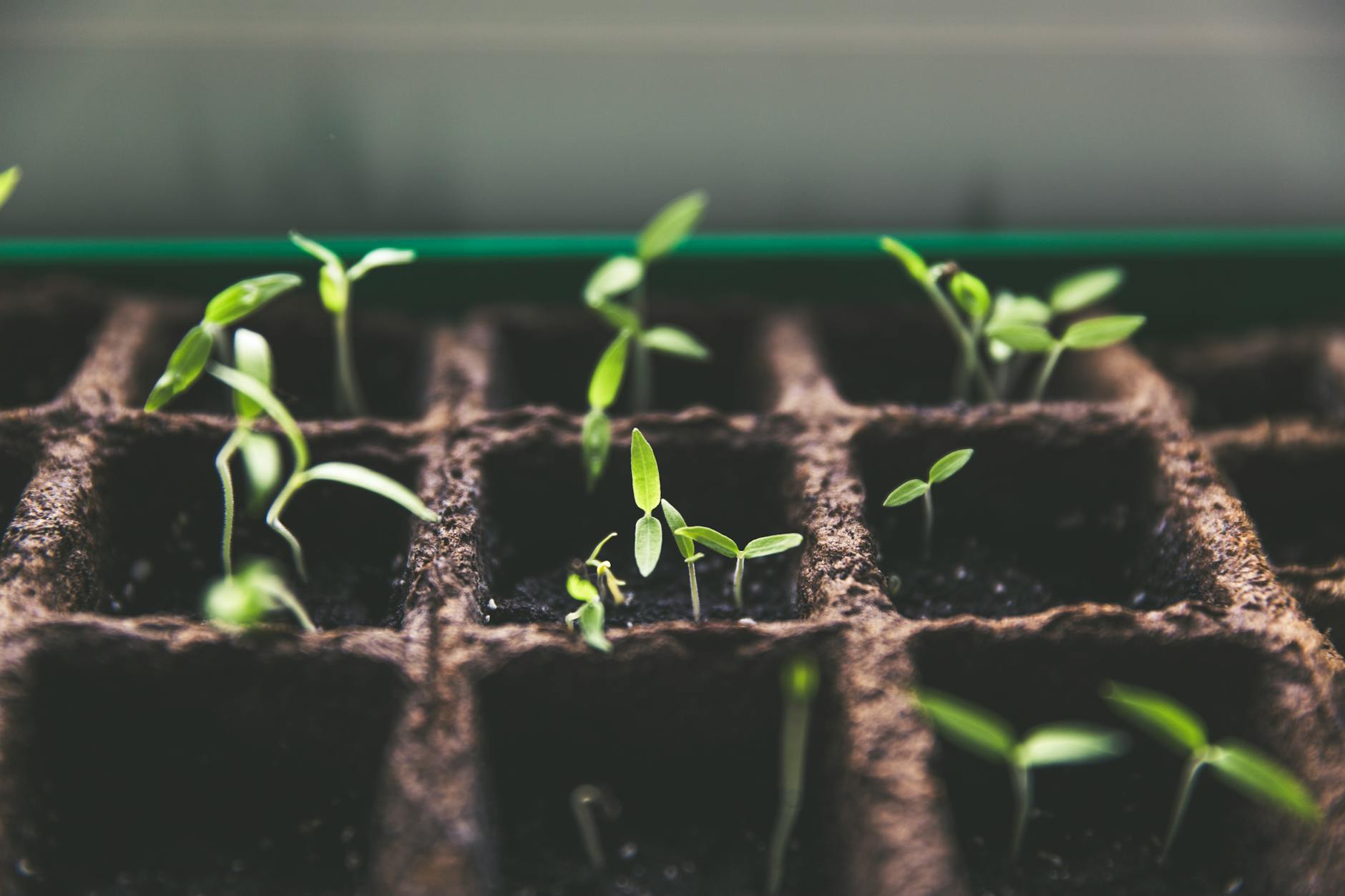
The Trade-Off: Speedy Growth Versus Sturdy Seedlings
Starting tomato seeds indoors offers a fantastic head start on the growing season, but it comes with a common challenge: leggy seedlings. While rapid vertical growth might seem like a good sign, it often indicates weak, stretched stems that struggle to support themselves. The trade-off is often between providing too much warmth or insufficient light, leading to lanky plants that are less resilient once transplanted.
Preventing leggy tomato seedlings is far easier than trying to fix them later. By understanding and implementing a few key environmental controls, you can cultivate strong, stocky plants ready to thrive in your garden. This guide will walk you through the essential steps to ensure your tomato seedlings develop robust stems and a healthy foundation.
Understanding Leggy Seedlings: A Quick Comparison
Leggy seedlings are characterized by unusually long, thin stems, often with small, pale leaves spread far apart. They stretch desperately towards a light source, expending energy on vertical growth rather than developing strong root systems or thick stems. This weakness makes them susceptible to damage and disease, a stark contrast to their robust counterparts.
Healthy tomato seedlings, on the other hand, boast thick, sturdy stems and dark green leaves that are closely spaced. They appear compact and bushy, indicating balanced growth and ample light exposure. These well-developed plants have a much higher success rate when it comes to transplanting and ultimately producing a bountiful harvest.
The Trifecta for Preventing Legginess: Light, Airflow, and Temperature
Successful tomato seedling growth hinges on a delicate balance of three critical environmental factors. Mastering these elements will largely determine the strength and vitality of your young plants. Let's explore each in detail, ensuring your tomato seedlings avoid stretching too tall.
Grow Light Distance: Finding the Sweet Spot
One of the most common reasons for tomato seedlings growing too tall is insufficient light. Seedlings perceive distant light sources as a signal to stretch upwards to reach them, resulting in spindly stems. The key to preventing this is to position your grow lights correctly, which is often much closer than beginners realize.
For most fluorescent or LED grow lights, this means placing them just 2-4 inches above the tops of your seedlings. This intense, direct light encourages compact growth and strong stem development. A practical tradeoff here is the need to constantly adjust the light height as your seedlings grow, sometimes daily, to avoid scorching the tender leaves if the light is too close.
Airflow for Stronger Stems
Beyond light, consistent airflow plays a vital role in developing stronger tomato stems. In nature, wind gently sways plants, prompting them to produce thicker, more resilient stems to withstand environmental pressures. Indoors, a small fan can replicate this effect, providing the necessary resistance.
Set up a small oscillating fan to gently blow across your seedlings for a few hours each day. The breeze doesn't need to be strong enough to bend them dramatically, just enough to cause a gentle rustling of the leaves. A real-world constraint for some gardeners might be the constant hum of a fan or finding a suitable, quiet model for an indoor space.
Cooler Nights for Compact Growth
Temperature significantly influences stem elongation. Warm temperatures, especially at night, can encourage rapid, leggy growth. Cooler night temperatures, however, help to slow down this vertical stretching, promoting more compact and robust development.
Aim for daytime temperatures around 70-75°F (21-24°C) and drop them to 60-65°F (16-18°C) at night. This differential mimics outdoor conditions and signals to the plant that it doesn't need to rush its growth. Ensuring proper ventilation alongside these temperature drops is crucial to prevent other issues like Prevent damping off seedlings.

Beyond the Basics: Fertilization and Potting Up
While light, airflow, and temperature are the primary drivers, other factors contribute to healthy, non-leggy tomato seedlings. Proper nutrition and timely repotting also play a significant role in their overall vigor and ability to withstand transplanting.
When to Fertilize Tomato Seedlings
Tomato seedlings don't typically need fertilizer until they've developed their first true leaves, which appear after the initial cotyledons. Even then, they prefer a diluted solution. Over-fertilizing, especially with high-nitrogen formulas, can encourage excessive leafy growth at the expense of stem strength.
Once true leaves appear, you can begin feeding with a half-strength, balanced liquid fertilizer every 10-14 days. However, if your potting mix is fresh and contains nutrients, you might not need to fertilize until just before hardening off or potting up into larger containers. Watch your plants for signs of nutrient deficiency, but err on the side of caution.
Common Mistakes to Avoid
Even experienced gardeners can sometimes overlook simple details that lead to leggy seedlings. One beginner mistake is underestimating the power of light intensity. A sunny windowsill often isn't enough; direct sunlight through glass is significantly weaker than outdoor light, and seedlings will still stretch.
Another common error is starting seeds too early. While tempting, starting seeds weeks ahead of schedule often results in overgrown, leggy plants that become root-bound and stressed before they can be moved outdoors. Always check your local last frost date and count back appropriately for your specific tomato varieties.
FAQ
How do I know if my grow light is close enough?
A good indicator is the behavior of your seedlings. If they are stretching noticeably towards the light source, it's too far away. Healthy seedlings will appear compact, with short distances between leaf nodes. You can also use a light meter, but generally, the 2-4 inch rule for most common grow lights is a reliable starting point.
Can natural sunlight prevent leggy tomato seedlings?
While natural sunlight is ideal, indoor windowsills rarely provide enough intensity to prevent leggy growth, especially during shorter winter days. The glass filters out much of the beneficial light, and the sun's angle changes throughout the day. Supplemental artificial grow lights are almost always necessary for strong, stocky seedlings indoors.
When should I start hardening off my tomato seedlings?
Hardening off should begin 7-14 days before you plan to transplant your tomato seedlings outdoors. This gradual process acclimates them to outdoor conditions like direct sun, wind, and fluctuating temperatures, making them more resilient. For a detailed schedule, refer to Hardening Off Seedlings in April: A Practical Schedule.
What if my tomato seedlings are already leggy?
If your seedlings are already leggy, don't despair! You can often salvage them. First, immediately adjust your light source to be closer. When potting them up, you can bury a significant portion of the leggy stem; tomatoes are unique in that they will form roots along the buried stem. This effectively shortens the plant and encourages a stronger root system.
Final Thoughts
Cultivating strong, non-leggy tomato seedlings is a rewarding part of the gardening journey. By paying close attention to light distance, ensuring adequate airflow, and managing temperatures, you set the stage for a thriving tomato crop. Remember, a little proactive care in the seedling stage pays huge dividends in the garden, leading to healthier, more productive plants. Embrace these practices, and enjoy the satisfaction of seeing your robust tomato plants flourish.