

In most parts of Australia, plant garlic cloves in autumn, from March to May, depending on your local climate. This timing lets the bulbs develop roots before winter and mature through spring. Harvest typically occurs in late spring to early summer, around November to December.
Choose a sunny spot with well‑draining soil, space cloves 10‑15 cm apart in rows 30‑45 cm apart, and plant them pointy end up, about 5 cm deep. Water lightly after planting and keep the soil moist but not soggy.
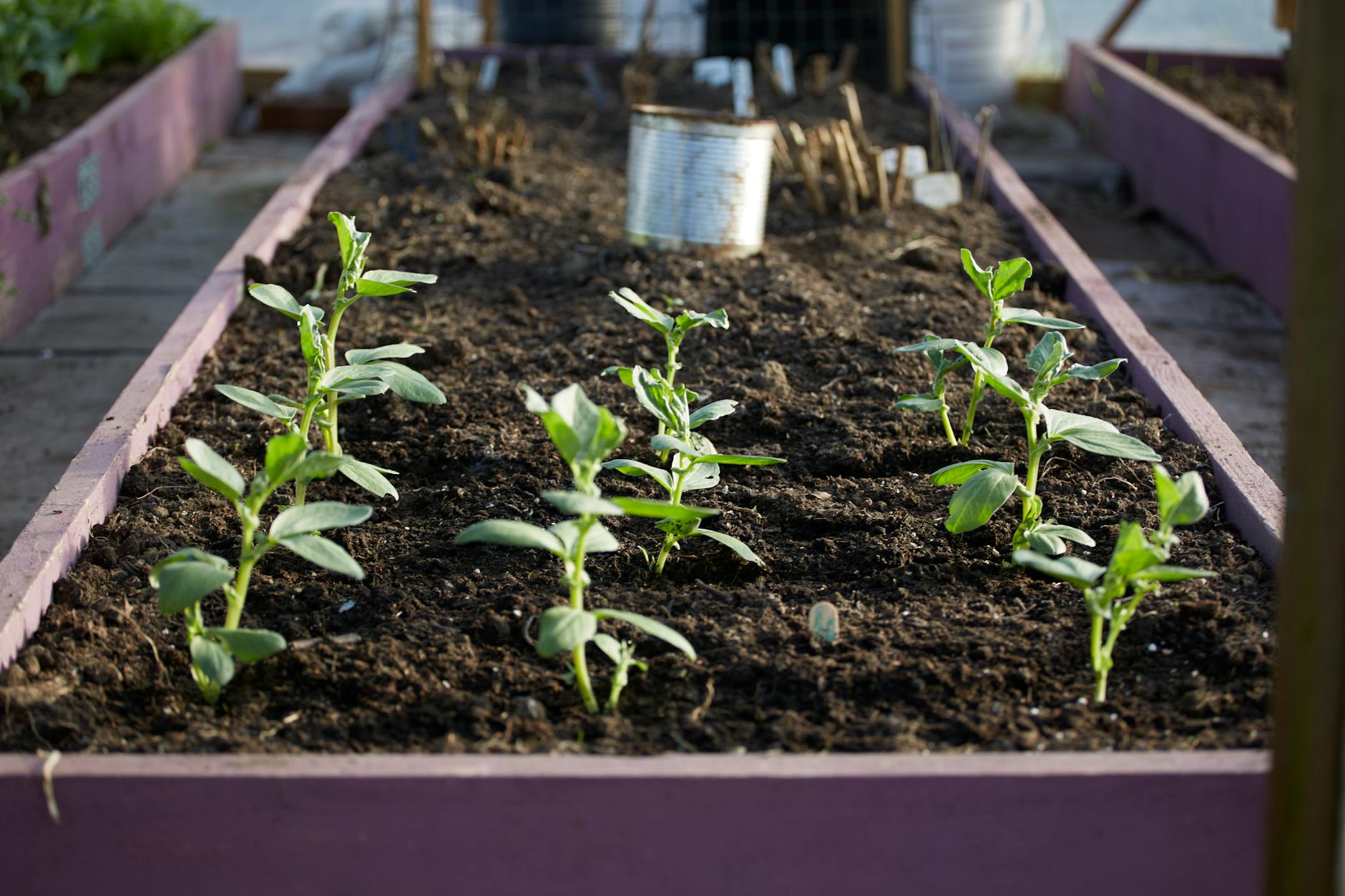
Using raised beds improves drainage and makes weed control easier, especially in heavy clay areas common across many Australian gardens.
Why This Matters
Planting at the right time ensures garlic receives the chilling period it needs to form cloves, which directly affects bulb size and flavour. Planting too early can expose shoots to summer heat, while planting too late may not give enough cold exposure.
Proper spacing and depth reduce competition for nutrients and water, leading to more uniform growth. It also lowers the risk of fungal diseases that thrive in crowded, damp conditions.
Good soil preparation, including the addition of compost, supplies the slow‑release nutrients garlic prefers, supporting steady development through the cooler months.
Step-by-Step Guide
First, select a garlic variety suited to your region; hardneck types perform well in cooler southern areas, while softneck varieties tolerate warmer northern zones.
Next, prepare the bed two weeks before planting. Loosen the soil to a depth of 20 cm and mix in 2‑3 cm of well‑rotted compost. This improves fertility and drainage.
Then, break the bulbs into individual cloves, keeping the papery skin intact. Choose the largest cloves for planting, as they produce the biggest bulbs.
After that, make furrows 5 cm deep and place each clove pointy end up, spacing them 10‑15 cm apart. Cover with soil and gently firm it down.
Finally, water the bed lightly to settle the soil around the cloves. Apply a thin layer of straw mulch to conserve moisture and suppress weeds.
Throughout the growing season, check soil moisture weekly and water when the top 2 cm feels dry. Reduce watering as the leaves begin to yellow in late spring.
Best Conditions
Garlic thrives in full sun, receiving at least six hours of direct light each day. In regions with intense summer heat, a little afternoon shade can prevent stress on developing bulbs.
The ideal soil pH ranges from 6.0 to 7.0. If your soil is acidic, add garden lime according to the package instructions; if it’s alkaline, incorporate elemental sulfur.
Well‑draining loam or sandy loam prevents waterlogging, which can cause rot. Raised beds or mounded rows are effective solutions for heavier soils.
Incorporating the internal link Australia autumn soil reset provides additional tips on preparing your garden beds for autumn planting.
Seasonal Timing
In temperate zones such as Victoria and Tasmania, aim for planting between mid‑March and late April. This allows cloves to establish before the first frosts.
In subtropical areas like parts of New South Wales and Queensland, planting can extend into May, as winters are milder and the chilling requirement is met later.
For tropical regions, garlic is less reliable; consider growing it as a short‑season crop in the cooler months of June to July, or choose varieties bred for heat tolerance.
A real‑world constraint to keep in mind is the variability of autumn rains; if a dry spell occurs, supplement with irrigation to prevent the cloves from desiccating before roots form.
Common Mistakes
Planting cloves too deep, beyond 7 cm, can delay emergence and weaken shoots. Stick to the recommended 5 cm depth for reliable sprouting.
Overwatering is another frequent error; soggy soil encourages fungal diseases like white rot. Water only when the soil surface feels dry to the touch.
Neglecting to remove mulch as temperatures rise can trap excess moisture around the stems, increasing disease risk. Pull back the mulch once shoots are 10 cm tall.
Using cloves from grocery store garlic that may have been treated with sprout inhibitors often results in poor germination. Always source planting stock from a reputable nursery or seed saver.
Pro Tips
To maximise bulb size, apply a side‑dressing of balanced organic fertilizer when the plants are about 15 cm tall. This supports vigorous leaf growth, which feeds the developing bulbs.
Rotate garlic beds annually, avoiding planting alliums in the same spot for at least three years. This practice reduces the buildup of soil‑borne pathogens.
Interplant garlic with carrots or beetroot; the aromatic foliage can deter certain pests while the root crops benefit from the loosened soil.
Refer to the internal link Australia winter veg march for complementary winter vegetable planting ideas that pair well with garlic.

Troubleshooting
If shoots appear yellow or stunted, check for nitrogen deficiency; a light application of blood meal or compost tea can correct this.
When you notice white, fluffy growth on the soil surface, it may be sclerotinia. Improve air circulation, reduce watering, and remove affected plant debris promptly.
In cases where bulbs form small cloves or fail to split, insufficient cold exposure is likely. Plant earlier next season or choose a variety with a lower chilling requirement.
Should you observe purple streaks on the leaves, this could indicate thrips damage. Use neem oil spray early in the morning or late afternoon to manage the population.
FAQ
What is the best month to plant garlic in Australia? In most temperate regions, March to April is ideal. In warmer areas, planting can extend into May, while cooler zones may start as early as late February.
How deep should I plant garlic cloves? Plant each clove about 5 cm deep, with the pointy end facing up. This depth protects the clove while allowing easy shoot emergence.
Can I grow garlic in containers? Yes, use a pot at least 30 cm deep with good drainage. Fill with quality potting mix enriched with compost, and follow the same spacing and depth guidelines.
How do I know when garlic is ready to harvest? Harvest when the lower third of the leaves turns brown and the upper leaves are still green. Gently lift a bulb to check clove formation; if the skins are papery and firm, it’s time.
Final Thoughts
Successful garlic growing in Australia hinges on timing, soil preparation, and attentive care through the cooler months. By following the steps outlined above, you can enjoy a harvest of flavourful, home‑grown bulbs that store well for months.
Remember to adjust practices to your local climate, keep an eye on moisture levels, and rotate your crops each year. With these basics in place, your garden will reward you with reliable yields season after season.