
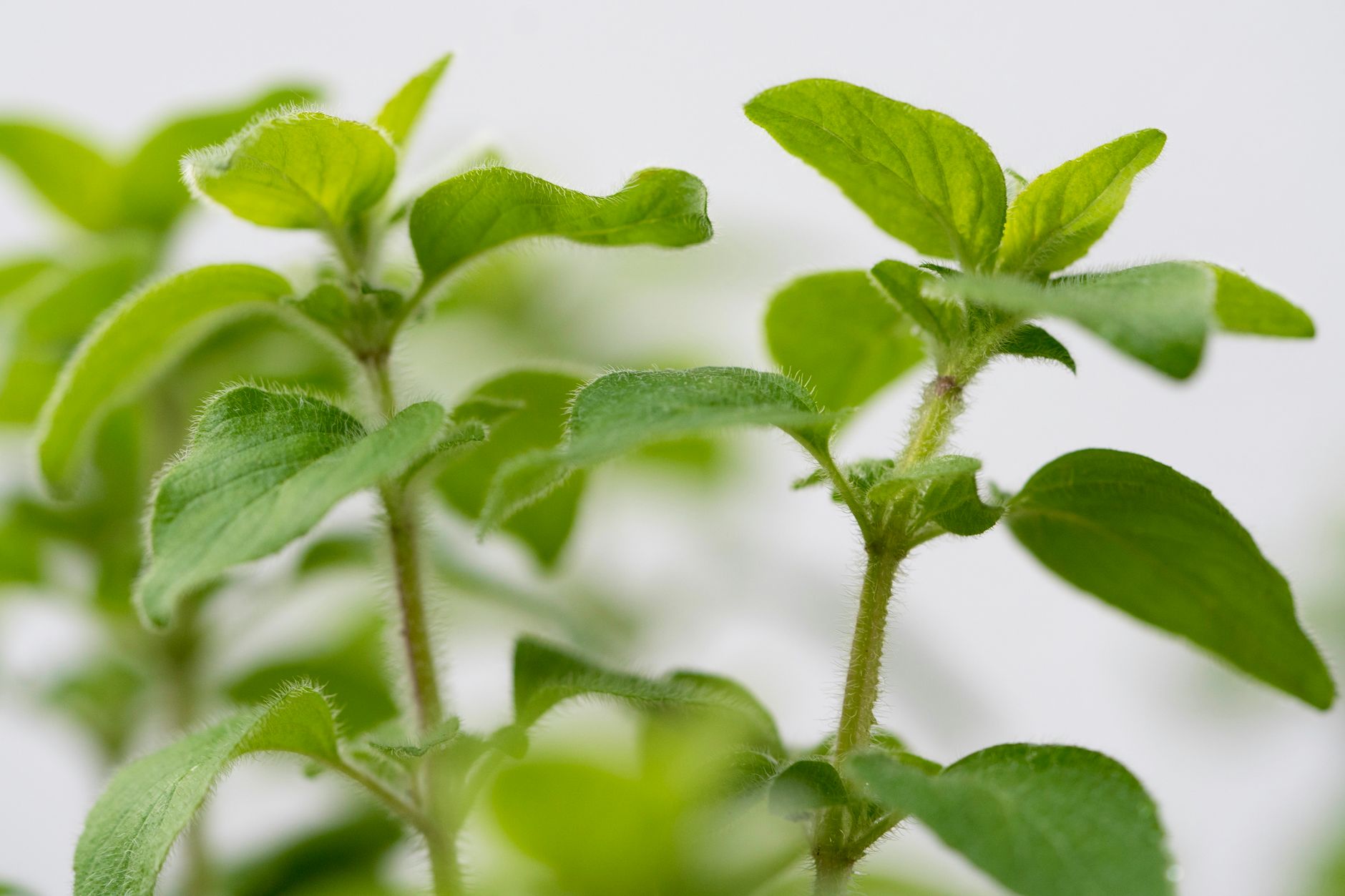
The Most Common Mistake with Late Basil Transplants
Many gardeners in the Northern USA, eager to get their herb gardens thriving, often make a critical error when considering late basil transplants: they misjudge the plant's extreme sensitivity to cold. While daytime temperatures in late spring or early summer might feel pleasantly warm, lingering cool nights or unexpected cold snaps can deliver a fatal shock to young basil plants. This guide covers how late can you transplant basil in northern usa in a practical way.
This beginner mistake stems from an understandable enthusiasm to plant once the last frost date has theoretically passed. However, basil, a true tropical native, demands consistent warmth, not just the absence of frost. Planting too early, or without adequate protection during a late-season chill, is a frequent cause of stunted growth, yellowing leaves, or even complete plant collapse.
Why Basil Demands Warmth: Understanding Its Tropical Roots
Basil (Ocimum basilicum) originates from warm, tropical regions of Asia and Africa. This heritage means it has evolved to thrive in consistently high temperatures, both day and night. Unlike some other warm-season vegetables that can tolerate a brief dip into the 40s°F (4-9°C), basil truly suffers below 50°F (10°C).
When basil encounters cold stress, its metabolic processes slow dramatically, and its cells can become damaged. This manifests as purpling or blackening of leaves, particularly around the edges, and a general lack of vigor. A real-world constraint for Northern gardeners is the unpredictable nature of spring weather, where a week of 70°F (21°C) days can easily be followed by nights dipping into the low 40s°F (4-7°C).
This makes basil significantly more vulnerable to cold than, say, a tomato plant, which might just sulk in cool weather but recover. Basil often struggles to bounce back from even mild cold exposure, impacting its flavor and overall yield for the season. Understanding this fundamental difference is key to successful late-season planting.
How to Do It Correctly: Timing and Technique for Northern Climates
Successful late basil transplanting in the Northern USA hinges on patience and precision. The general rule of thumb is to wait until all danger of frost has passed, and more importantly, until both air and soil temperatures are consistently warm. Aim for nighttime temperatures reliably above 50°F (10°C), ideally closer to 55-60°F (13-16°C).
Soil temperature is particularly crucial; it should be at least 60°F (16°C) at a depth of 4-6 inches. You can measure this with a soil thermometer. This often means waiting until mid-June or even early July in colder Northern zones, which is a practical tradeoff for a robust, productive plant. Rushing this step almost always leads to disappointment.
Hardening Off Your Basil Transplants
Even if you’ve waited for ideal temperatures, you must harden off your basil seedlings. This process gradually acclimates indoor-grown plants to outdoor conditions, including sunlight, wind, and fluctuating temperatures. Start by placing them outdoors in a sheltered, shady spot for a few hours each day, gradually increasing their exposure to direct sun and longer periods outdoors over 7-10 days.
The Transplanting Process
Choose a cloudy day or late afternoon to minimize transplant shock. Dig a hole slightly larger than the basil's root ball. Gently remove the basil from its container, being careful not to disturb the roots too much. Place it in the hole, ensuring the top of the root ball is level with the soil surface. Backfill with soil, gently firming around the base, and water thoroughly immediately after planting.
Best Conditions for Thriving Late-Season Basil
Once transplanted, providing optimal conditions will ensure your basil flourishes, even with a later start. Basil thrives in full sun, meaning at least 6-8 hours of direct sunlight per day. A south-facing location or an area that receives morning sun and some afternoon shade in extremely hot climates can be ideal.
Well-draining soil is paramount. Basil dislikes wet feet, which can lead to root rot. Amend heavy clay soils with organic matter like compost to improve drainage and fertility. A slightly acidic to neutral pH (6.0-7.0) is preferred. Consistent moisture is also important, especially during establishment, but avoid overwatering.
Consider planting basil with companions that share its needs, such as tomatoes. This can create a beneficial microclimate. For more on this synergistic approach, explore Tomato Basil Marigold Companion Planting: Real Benefits.
Troubleshooting Common Basil Issues
Even with careful planning, issues can arise. Understanding how to troubleshoot them can save your late-season basil.
- Wilting after Transplant: This is often transplant shock. Ensure the plant is well-watered but not waterlogged. Provide some temporary shade for a day or two if the sun is intense.
- Yellowing Leaves: This can indicate overwatering, nutrient deficiency (especially nitrogen), or sometimes cold stress. Check soil moisture and consider a balanced liquid fertilizer if needed.
- Stunted Growth: If your basil isn't growing, it's likely still too cold, or it's not getting enough sun or nutrients. Verify temperatures and light exposure.
- Pests: Aphids and spider mites can be a problem, especially in hot, dry conditions. Inspect plants regularly. A strong spray of water can dislodge many pests, or use an insecticidal soap for more persistent infestations.
Pro Tips for Maximizing Your Northern Basil Harvest
To get the most out of your late-planted basil in the Northern USA, employ a few smart strategies:
- Succession Planting: If you have the space, plant a new batch of basil every 2-3 weeks until mid-summer. This ensures a continuous supply of fresh, tender leaves.
- Container Gardening: Growing basil in pots offers flexibility. You can move containers to warmer, more sheltered spots during unexpected cold snaps or bring them indoors for protection. Choose dark-colored pots to absorb more solar heat.
- Row Covers or Cloches: For early protection or during cool nights, use lightweight row covers or DIY cloches (like inverted plastic milk jugs) to trap heat around your plants.
- Pinching for Bushiness: Once your basil plant has grown 2-3 sets of true leaves, pinch off the top set just above a leaf node. This encourages branching and a bushier plant, leading to more leaves for harvest. Continue pinching off flower buds as they form, as flowering signals the end of the plant's life cycle and can make leaves bitter.
- Mulching: Apply a layer of organic mulch around the base of your basil plants. This helps retain soil moisture, suppress weeds, and, importantly for late planting, can help stabilize soil temperature.
- Consider Varieties: While most sweet basils have similar needs, some varieties like ‘Genovese’ are classic choices. Explore others like ‘Lemon Basil’ or ‘Thai Basil’ for different culinary uses, keeping their cold sensitivity in mind.
Even with a later start, strategic planting and care can yield abundant harvests. For other warm-season starts, understanding timing is crucial, much like knowing When to Start Pumpkins Indoors Late April for Strong Transplants.
FAQ
When is it absolutely too late to transplant basil in the Northern USA?
Generally, transplanting basil past early to mid-July in most Northern USA regions is pushing it. While you might get some growth, the plant likely won't have enough time to mature and produce a substantial harvest before the cooler temperatures of late summer and early fall arrive. Your goal should be to allow at least 60-75 days of warm weather for optimal growth.
Can I grow basil indoors if my outdoor season is too short?
Absolutely! Growing basil indoors is an excellent option for gardeners in very short-season northern climates or for extending your harvest into the colder months. Provide a sunny window (south-facing is best) or supplement with a grow light for 10-12 hours daily. Ensure good air circulation and water when the top inch of soil feels dry.
What should I do if a sudden cold snap is predicted after I've already transplanted basil?
If temperatures are expected to dip below 50°F (10°C), take immediate action. Cover your basil plants with lightweight row covers, old sheets, or inverted buckets/cloches. For container basil, simply bring the pots indoors overnight. Remove covers once temperatures rise the following day to prevent overheating.
How can I encourage my late-planted basil to grow faster and more vigorously?
Beyond optimal sun and consistent moisture, ensure your soil is rich in organic matter. A balanced, organic liquid fertilizer applied every 2-3 weeks can also provide a boost. Regular pinching of the top growth and any flower buds will direct the plant's energy into producing more leaves, leading to a bushier, more productive plant.
Final Thoughts
Transplanting basil successfully in the Northern USA, especially later in the season, is a testament to a gardener's patience and understanding of their local climate. By avoiding the common mistake of underestimating basil's cold sensitivity and adhering to proper timing and techniques, you can enjoy a bountiful harvest of this aromatic herb. Remember, observing your plants and local conditions will always be your best guide to a thriving garden.