
To prevent leggy tomato seedlings, ensure they receive adequate light, maintain appropriate temperatures, and fertilize them correctly. Proper light intensity and duration are crucial, as is avoiding overly warm conditions. A balanced, diluted fertilizer applied at the right time can also promote sturdy growth.
Why This Matters
Leggy tomato seedlings, characterized by their long, thin, and weak stems, are a common frustration for gardeners. These spindly plants are more susceptible to damage from wind, pests, and diseases. They often struggle to establish themselves in the garden, leading to delayed fruiting and reduced yields. Preventing legginess from the start sets your tomato plants up for a healthier, more productive life.
Sturdy seedlings are the foundation of a successful tomato harvest. They possess strong root systems and robust stems capable of supporting the weight of developing fruit. Investing a little extra care in the seedling stage pays significant dividends later in the season. It’s about giving your plants the best possible start.
Step-by-Step Guide
1. Provide Adequate Light
The most significant factor in preventing leggy seedlings is light. Tomato seedlings need intense light for at least 12-16 hours per day. Natural sunlight from a south-facing window can work, but it’s often insufficient, especially during shorter days. Supplemental lighting is usually necessary.
When using grow lights, positioning is key. Keep the lights very close to the seedlings, typically only 2-4 inches above the plant tops. This proximity ensures the light intensity is high enough to encourage compact growth. Adjust the light height as the seedlings grow taller to maintain this optimal distance.
2. Control Temperature
While warmth is essential for germination, prolonged high temperatures can encourage stretching. After germination, slightly cooler temperatures can help produce sturdier stems. Aim for daytime temperatures between 65-75°F (18-24°C) and nighttime temperatures that are a few degrees cooler, around 60-70°F (15-21°C).
Avoid placing seedlings near heat vents or in consistently warm rooms. If using a heat mat for germination, remove it once the seedlings have emerged. This allows the soil temperature to cool slightly, which is beneficial for stem development. For specific pepper seed germination, a heat mat can be very useful, but for tomatoes, the focus shifts to cooler post-germination temperatures. You can learn more about pepper-seed-germination-heat-mat for other crops.
3. Manage Watering and Airflow
Overwatering can contribute to weak growth and fungal issues like damping off. Water your seedlings thoroughly when the top inch of soil feels dry, but allow the soil to dry out slightly between waterings. Ensure good drainage to prevent waterlogged conditions.
Good airflow is also important. A gentle fan set on a low speed, directed away from the seedlings but creating a slight breeze, can help strengthen their stems. This mimics natural wind conditions and encourages thicker, more robust growth. It also helps prevent fungal diseases.
4. Fertilize Appropriately
Seedlings do not require heavy feeding. Once they have developed their first set of true leaves, you can begin a light fertilization schedule. Use a balanced liquid fertilizer diluted to half or quarter strength.
Fertilize every 1-2 weeks. Over-fertilizing can lead to rapid, weak growth, which is counterproductive. The goal is to provide just enough nutrients to support healthy development without stimulating excessive elongation. A fertilizer with a lower nitrogen content can be beneficial for promoting sturdy stems.
Best Conditions
The ideal conditions for preventing leggy tomato seedlings involve a combination of light, temperature, and nutrient management. A consistent light source, such as full-spectrum LED grow lights, positioned 2-4 inches above the seedlings, is paramount. This ensures the plants receive the high-intensity light they need for compact growth.
Temperatures should be moderate, with daytime highs in the mid-70s Fahrenheit and nighttime lows in the 60s. This slight temperature fluctuation signals to the plant that it’s time to focus on building strong stems rather than rapid vertical growth. Good air circulation, provided by a small fan, further strengthens the stems.
The growing medium should be well-draining and sterile. While some gardeners experiment with peat-free-seed-starting-mix, ensuring it has excellent aeration is key. Overwatering must be avoided, allowing the soil to dry slightly between waterings.
Seasonal Timing
The timing of starting tomato seeds indoors is critical and depends on your local climate and last frost date. Generally, you'll want to start seeds 6-8 weeks before your average last frost date. This allows enough time for seedlings to develop into robust plants ready for transplanting.
Starting too early can lead to seedlings outgrowing their indoor space and becoming leggy before they can be planted outside. Conversely, starting too late means you'll have smaller plants that may take longer to establish and produce fruit. Understanding your region's planting calendar is essential. For example, in some regions, March might be a time for planting certain vegetables, but tomatoes are typically started earlier indoors. You can find information on planting schedules for specific regions, like peach-leaf-curl-prevention-dormant-spray-timing, which might offer clues about regional planting differences.
As seedlings grow, you'll need to gradually acclimate them to outdoor conditions. This process, known as hardening off, typically begins about a week to ten days before transplanting. It involves gradually exposing them to sunlight, wind, and cooler temperatures. A detailed hardening-off-seedlings-schedule can be invaluable for this transition.

Common Mistakes
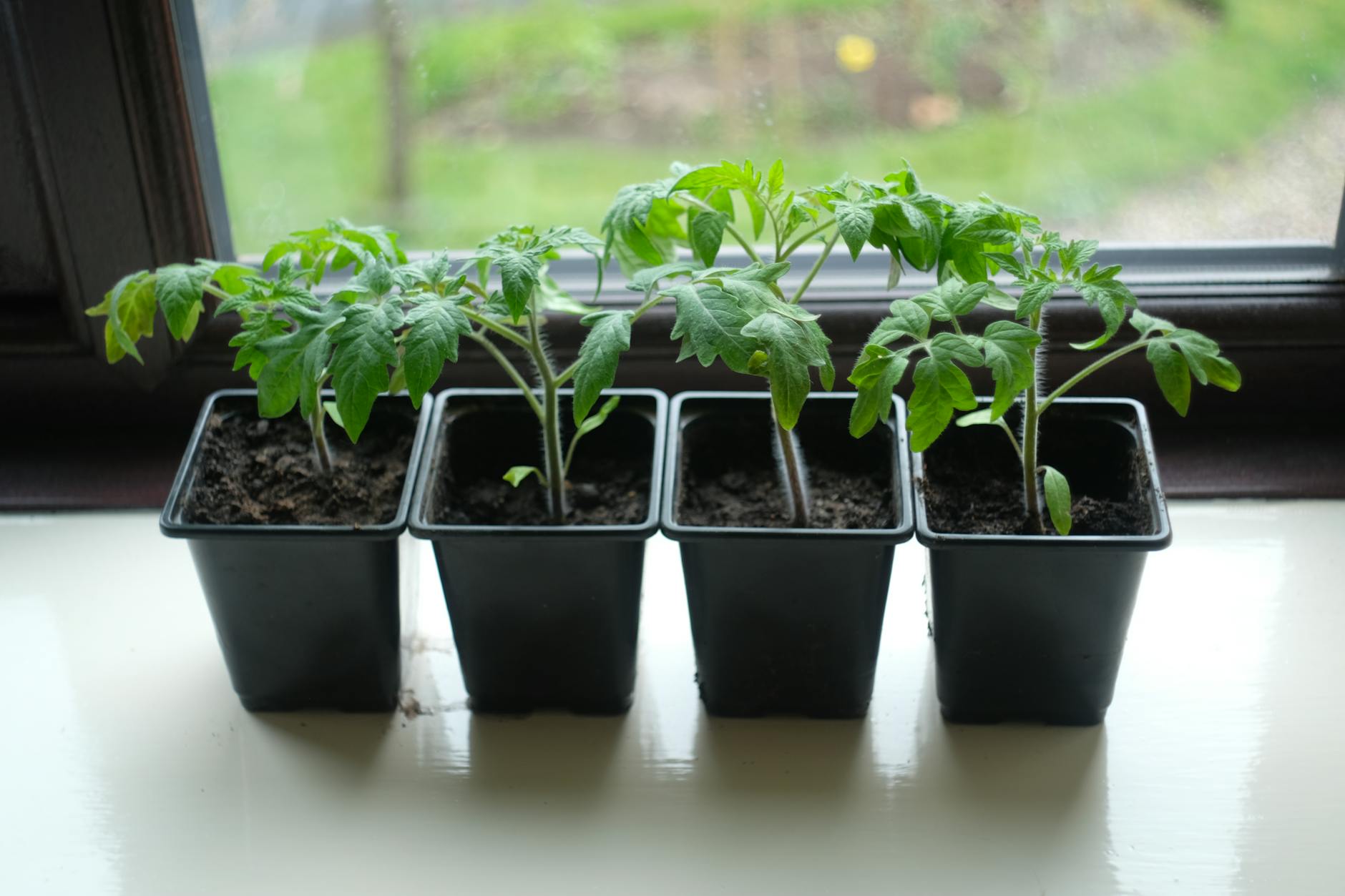
One of the most frequent mistakes is insufficient light. Many gardeners rely solely on windowsill light, which is often too weak and casts light from only one direction, causing seedlings to lean and stretch towards it. This leads to weak, elongated stems.
Another common error is keeping seedlings too warm for too long. While germination requires warmth, maintaining high temperatures after sprouting encourages rapid, leggy growth. Seedlings need slightly cooler conditions to develop sturdy stems.
Overwatering is also a significant problem. Constantly wet soil creates an environment where roots struggle to get oxygen, and it can also promote fungal diseases that weaken the plant. Allowing the soil to dry slightly between waterings is crucial.
Finally, waiting too long to fertilize or using a fertilizer that is too strong can also contribute to legginess. Seedlings need nutrients, but they need them in moderation, especially in the early stages. Over-feeding can stimulate excessive growth that the plant cannot support.
Pro Tips
Consider using a timer with your grow lights to ensure a consistent 12-16 hour photoperiod each day. This automation takes the guesswork out of lighting schedules and provides the reliable light intensity seedlings need.
If you notice seedlings starting to stretch, even with good light, try lowering the lights further or increasing the fan's intensity slightly. Sometimes, a small adjustment can make a big difference in stem development.
When transplanting leggy seedlings, you can often bury a portion of the stem. Tomatoes have the ability to grow roots along their buried stems, which can help create a stronger root system and a more stable plant. This is a useful technique for salvaging slightly leggy plants.
Experiment with different seed-starting mixes. Some mixes retain too much moisture, while others drain too quickly. Finding a mix that offers a good balance of aeration and moisture retention is key. You can find resources on creating your own peat-free-seed-starting-mix if you prefer.
Troubleshooting
Problem: Seedlings are tall and thin, leaning towards the light.
Solution: This is the classic sign of legginess. Immediately lower your grow lights to 2-4 inches above the seedlings. Ensure the lights are on for 12-16 hours daily. If using a windowsill, rotate the seedlings daily to encourage even growth.
Problem: Seedlings are wilting despite moist soil.
Solution: This could indicate damping off, a fungal disease. Ensure good air circulation and avoid overwatering. Remove any affected seedlings immediately to prevent spread. You can find more detailed advice on how to prevent-damping-off-seedlings.
Problem: Seedlings have yellowing leaves.
Solution: This often indicates a nutrient deficiency. If your seedlings have developed their first set of true leaves, it's time to start a very dilute fertilizer. Ensure you are not overwatering, as this can also cause yellowing.
Problem: Seedlings are growing very slowly.
Solution: Check your temperature. While cooler temperatures help prevent legginess, excessively cold conditions can slow growth. Ensure daytime temperatures are within the 65-75°F range. Also, confirm your grow lights are close enough and providing adequate intensity.
FAQ
Q: How close should grow lights be to tomato seedlings?
A: For most grow lights, position them 2-4 inches above the tops of the seedlings. This distance ensures the light is intense enough to promote compact growth without causing heat stress or burning the delicate leaves.
Q: Can I transplant leggy seedlings into the garden?
A: Yes, you can often salvage leggy seedlings by burying a portion of the stem when transplanting. Tomatoes can develop adventitious roots along the buried stem, creating a stronger overall plant. However, it's always best to prevent legginess from occurring in the first place.
Q: How often should I fertilize tomato seedlings?
A: Once seedlings have their first set of true leaves, fertilize them every 1-2 weeks with a balanced liquid fertilizer diluted to half or quarter strength. Avoid over-fertilizing, which can lead to weak, rapid growth.
Q: What is the ideal temperature for tomato seedlings after germination?
A: After germination, aim for daytime temperatures between 65-75°F (18-24°C) and nighttime temperatures around 60-70°F (15-21°C). Slightly cooler temperatures encourage sturdier stem development compared to consistently warm conditions.
Conclusion
Preventing leggy tomato seedlings is a straightforward process that relies on understanding and providing the right conditions. By focusing on adequate, intense light, moderate temperatures, proper watering, and judicious feeding, you can cultivate strong, healthy seedlings. These robust plants will be much better equipped to thrive in your garden, leading to a more bountiful and satisfying tomato harvest.