
Starting Onions From Seed: Long-Day Timing for Cold-Climate Gardeners
Table of Contents
Related: pepper-seed-starting-heat-mat-temps-for-fast-sprouts


- [Quick Answer](#quick-answer)
- [Why This Matters](#why-this-matters)
- [Step-by-Step Guide](#step-by-step-guide)
- [Gather Your Supplies](#gather-your-supplies)
- [Prepare Your Seed Starting Mix](#prepare-your-seed-starting-mix)
- [Sowing the Seeds](#sowing-the-seeds)
- [Providing the Right Conditions](#providing-the-right-conditions)
- [Watering and Care](#watering-and-care)
- [Thinning Seedlings](#thinning-seedlings)
- [Transplanting Outdoors](#transplanting-outdoors)
- [Best Conditions for Onion Seedlings](#best-conditions-for-onion-seedlings)
- [Seasonal Timing: When to Start Long-Day Onions from Seed](#seasonal-timing-when-to-start-long-day-onions-from-seed)
- [Common Mistakes to Avoid](#common-mistakes-to-avoid)
- [Pro Tips for Success](#pro-tips-for-success)
- [Troubleshooting Common Issues](#troubleshooting-common-issues)
- [Frequently Asked Questions (FAQ)](#frequently-asked-questions-faq)
- [Conclusion](#conclusion)
Quick Answer
Related: compost-in-seed-starting-trays.html
For cold-climate gardeners in regions like the USA and Canada, the optimal time to start long-day onions from seed indoors is typically 8 to 10 weeks before your average last frost date. This allows seedlings to develop into robust transplants, approximately pencil-thick, ready for transplanting into the garden once the danger of hard frost has passed and the soil has warmed sufficiently. For example, if your last frost date is May 15th, you would aim to start your seeds around early March.
Why This Matters
Related: prevent-damping-off-seedlings.html
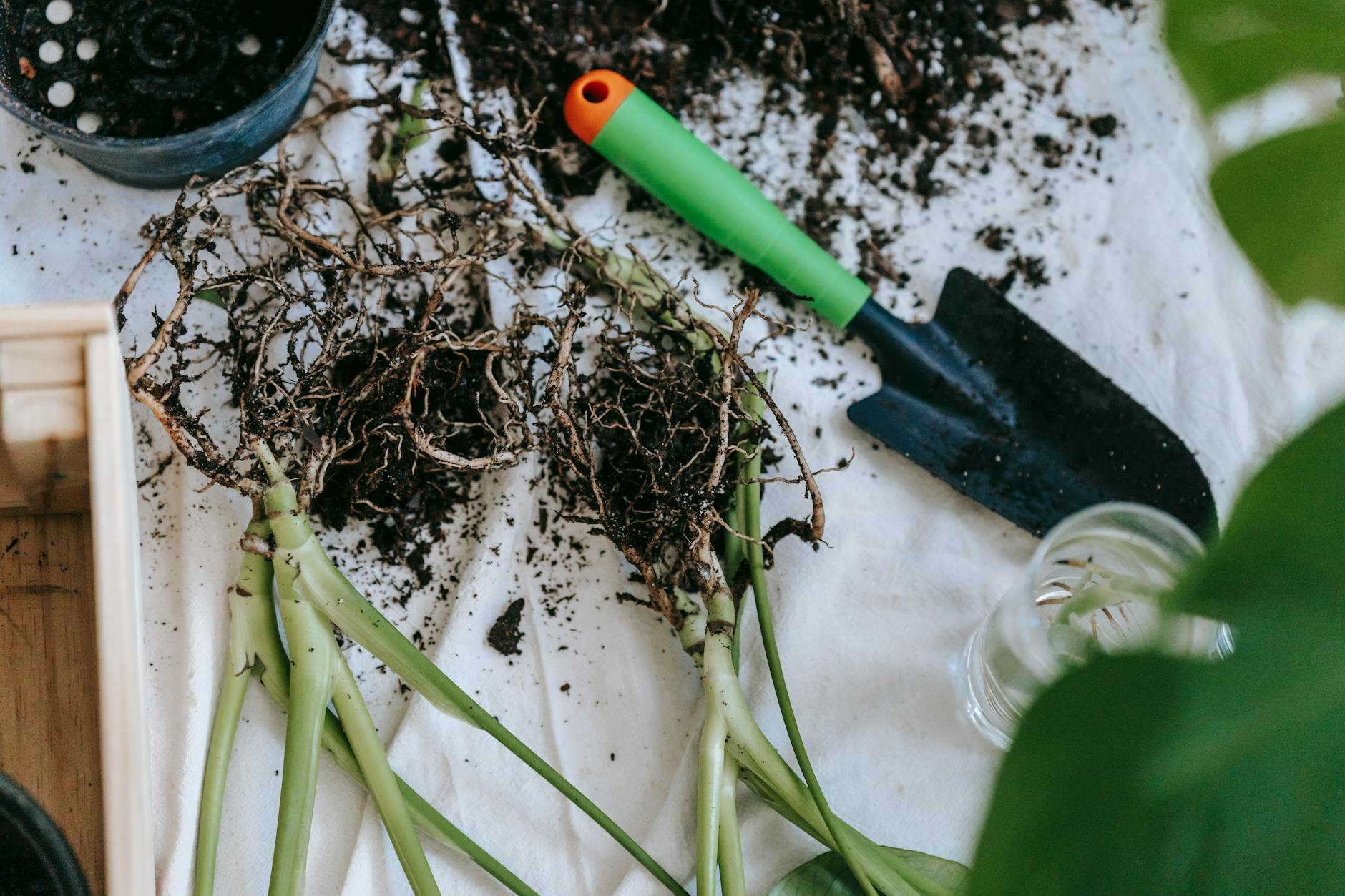
Onions are a staple in many kitchens, and growing them from seed offers a far greater variety of cultivars than purchasing sets or seedlings. However, onions have specific photoperiodic requirements that dictate when they form bulbs. Long-day onions, common in northern latitudes, require 14-16 hours of daylight to initiate bulbing. Starting them indoors well in advance of the growing season ensures they have enough time to mature before the shorter days of autumn arrive. This strategic timing is crucial for a successful harvest, transforming a potentially frustrating gardening endeavor into a rewarding one. Understanding the nuances of onion growth, particularly their response to light, is key to unlocking their full potential in your garden.
Step-by-Step Guide
Related: start-broccoli-cabbage-indoors.html
Embarking on the journey of growing onions from seed might seem daunting, but with a methodical approach, it's a highly achievable and rewarding process. This guide breaks down each stage, from initial sowing to transplanting, ensuring you have the knowledge to cultivate healthy, productive onion plants.
Gather Your Supplies
Related: hardening-off-seedlings-schedule.html
Before you begin, ensure you have all the necessary materials. This preparation will streamline the process and prevent last-minute rushes.
- Onion Seeds: Choose long-day varieties suitable for your climate.
- Seed Starting Trays or Pots: Small cells (like 72-cell trays) are ideal for onions, as they allow for good root development without overcrowding. Alternatively, you can use larger pots or even recycled containers with drainage holes.
- Seed Starting Mix: A sterile, well-draining mix is essential. Avoid using garden soil, which can compact and harbor diseases. A peat-free option is also environmentally conscious.
- Watering Can or Spray Bottle: For gentle watering.
- Labels and Marker: To identify your onion varieties.
- Clear Plastic Dome or Saran Wrap: To maintain humidity during germination.
- Grow Lights: Essential for providing consistent, adequate light to seedlings, especially during the darker months. Fluorescent T5 or LED grow lights are excellent choices.
- Heat Mat (Optional but Recommended): Can speed up germination, though onions germinate well at room temperature. If using, ensure it's designed for seed starting. (See: [pepper-seed-starting-heat-mat-temps-for-fast-sprouts](#))
- Fan: For air circulation to prevent fungal diseases like damping off.
Prepare Your Seed Starting Mix
A good seed starting mix provides the ideal environment for germination and early seedling growth. It should be light, airy, and free of pathogens.
1. Moisten the Mix: In a clean container, thoroughly moisten your seed starting mix. It should be damp, like a wrung-out sponge, not soggy. If using a compost-based mix, ensure it's well-aerated. (See: [compost-in-seed-starting-trays.html](#))
2. Fill Trays: Fill your seed starting trays or pots with the moistened mix, gently pressing it down to eliminate large air pockets. Leave about 1/4 inch of space at the top.
Sowing the Seeds
Onion seeds are small, and sowing them correctly is key to preventing overcrowding and ensuring healthy germination.
1. Sow Sparingly: Sow 2-3 seeds per cell or small pot. Onion seeds can have variable germination rates, and sowing a few extra ensures you'll have at least one viable seedling per spot.
2. Cover Lightly: Cover the seeds with about 1/4 inch of the seed starting mix.
3. Water Gently: Lightly water the surface again using a spray bottle or a watering can with a fine rose to settle the soil and ensure good seed-to-soil contact.
4. Label: Immediately label each tray or pot with the onion variety and the sowing date.
Providing the Right Conditions
Once sown, the environment you provide is critical for successful germination and early growth.
1. Humidity: Cover the trays with a clear plastic dome or saran wrap to create a humid microclimate. This helps keep the soil consistently moist.
2. Temperature: For germination, onion seeds prefer temperatures between 65-75°F (18-24°C). A heat mat can be beneficial here, but room temperature is often sufficient.
3. Light: Once seeds have germinated (which can take 7-14 days), remove the plastic cover and immediately place the trays under grow lights. Onion seedlings need plenty of light from the start to prevent them from becoming leggy. Position the lights about 2-4 inches above the seedlings and keep them on for 14-16 hours per day.
Watering and Care
Consistent moisture is vital, but overwatering can lead to fungal diseases.
1. Watering: Water when the top layer of soil begins to dry out. Use a gentle stream or a spray bottle to avoid disturbing the delicate seedlings. Ensure good drainage to prevent waterlogged conditions.
2. Air Circulation: Use a small fan to gently circulate air around the seedlings for a few hours each day. This strengthens the stems and helps prevent fungal diseases like damping off. (See: [prevent-damping-off-seedlings.html](#))
3. Fertilizing: Once seedlings have developed their first true leaves (usually about 2-3 weeks after germination), you can begin fertilizing with a diluted, balanced liquid fertilizer (e.g., 1/4 strength). Fertilize every 1-2 weeks.
Thinning Seedlings
Thinning is crucial to give the remaining seedlings enough space and resources to grow strong.
1. When to Thin: Once seedlings are about 1-2 inches tall and have developed their first set of true leaves, it's time to thin.
2. How to Thin: Carefully snip the weaker seedlings at the soil line with small scissors, leaving the strongest one or two in each cell. Avoid pulling them out, as this can disturb the roots of the remaining seedling.
Transplanting Outdoors
The final step is moving your onion seedlings from their indoor environment to the garden. This requires careful preparation.
1. Harden Off: About 7-10 days before transplanting, begin hardening off your seedlings. This process gradually acclimates them to outdoor conditions. Start by placing them in a sheltered spot outdoors for a few hours each day, gradually increasing the time and exposure to sun and wind. (See: [hardening-off-seedlings-schedule.html](#))
2. Transplant: Once the danger of hard frost has passed and the soil temperature is at least 50°F (10°C), you can transplant your onion seedlings. Space them 4-6 inches apart in rows 12-18 inches apart. Plant them at the same depth they were in their trays, ensuring the roots are spread out.
Best Conditions for Onion Seedlings
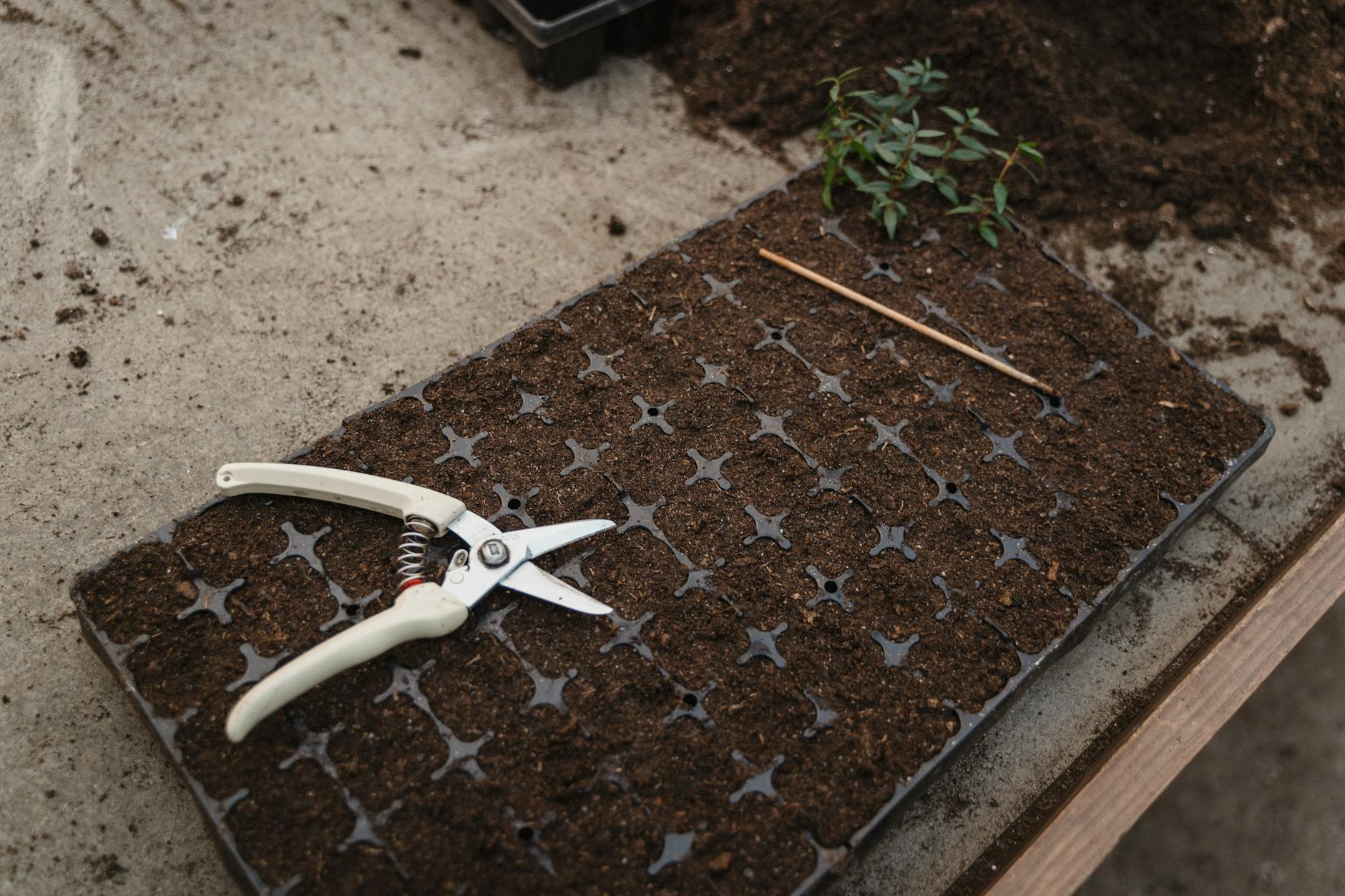
Creating an optimal environment for your young onion plants is paramount to their development.
- Light: 14-16 hours of bright light per day. This is non-negotiable for preventing leggy, weak seedlings. Grow lights should be positioned 2-4 inches above the plants and adjusted as they grow.
- Temperature: 65-75°F (18-24°C) for germination. Once germinated and under lights, a slightly cooler temperature of 60-70°F (15-21°C) can be beneficial for sturdy growth. Avoid drastic temperature fluctuations.
- Moisture: Consistently moist, but not waterlogged. The soil surface should feel slightly dry to the touch before watering. Good drainage is essential.
- Air Circulation: Gentle, consistent airflow. This strengthens stems and helps prevent fungal diseases. A small fan set on low for a few hours daily is ideal.
- Soil: Sterile, well-draining seed starting mix. This provides aeration and prevents disease.
Seasonal Timing: When to Start Long-Day Onions from Seed
The timing for starting long-day onions from seed is intrinsically linked to your region's climate and, specifically, your average last frost date. In colder climates like much of the USA and Canada, this timing is critical for success.
The Golden Rule: Start your long-day onion seeds indoors 8 to 10 weeks before your average last frost date.
Let's break this down:
1. Determine Your Last Frost Date: This is the most crucial piece of information. You can find this by searching online for "[Your City/Region] average last frost date" or consulting local agricultural extension offices. For example, if your average last frost date is May 15th:
- 10 weeks before May 15th is approximately March 6th.
- 8 weeks before May 15th is approximately March 20th.
- Therefore, a good window to start your seeds would be between early March and mid-March.
2. Why This Window?
- Seedling Development: Onions grow relatively slowly from seed. This 8-10 week period allows them to develop into strong, pencil-thick transplants. This size is ideal for transplanting, as they are robust enough to withstand the move and establish quickly.
- Bulbing Initiation: Long-day onions require long daylight hours (14-16 hours) to trigger bulb formation. By starting them indoors and transplanting them out in late spring, you ensure they are growing during the longest days of the year, which is exactly what they need to produce large bulbs. If you start them too late, they won't have enough time to develop before the days start shortening in late summer, resulting in small bulbs or even bolting (going to seed).
- Avoiding Transplant Shock: Giving seedlings adequate time to grow indoors before transplanting helps them develop a strong root system, making them more resilient to the stress of being moved to the garden.
3. Consider Your Specific Climate: While the 8-10 week rule is a good guideline, some gardeners in extremely cold regions might opt for the earlier end of this window (closer to 10 weeks) to maximize seedling growth before the outdoor planting season. Conversely, if your last frost date is earlier, you'll adjust your starting date accordingly.
Example Scenario:
- Location: Calgary, Alberta, Canada
- Average Last Frost Date: Late May (e.g., May 25th)
- Calculation:
- 10 weeks before May 25th = March 18th
- 8 weeks before May 25th = April 1st
- Action: Start your long-day onion seeds indoors between mid-March and early April.
Long-Day vs. Short-Day Onions: It's crucial to know which type of onion you are growing. Long-day onions are suited for northern latitudes, while short-day onions are for southern regions with shorter daylight hours. This article specifically addresses long-day onions. If you are in a southern climate, you would be looking at short-day varieties and a different planting schedule.
Common Mistakes to Avoid
Even with the best intentions, certain pitfalls can hinder your onion-growing success. Being aware of these common mistakes can save you time and frustration.
- Starting Too Late: This is perhaps the most frequent error for cold-climate gardeners. Starting seeds too close to the last frost date means seedlings won't be large enough to transplant, or they won't have enough time to mature and form bulbs before the season ends.
- Using Garden Soil: Garden soil is too dense for seed starting trays. It compacts easily, hindering root growth and drainage, and can harbor diseases. Always use a sterile, lightweight seed starting mix.
- Overwatering or Underwatering: Both extremes are detrimental. Overwatering creates a breeding ground for fungal diseases like damping off, while underwatering stunts growth and can lead to weak seedlings.
- Insufficient Light: Leggy, weak seedlings are a direct result of inadequate light. If your seedlings are stretching towards the light source and are thin and pale, they need more intense light for longer periods.
- Not Thinning: Overcrowded seedlings compete for light, water, and nutrients, resulting in weaker plants for everyone. Thinning ensures the strongest seedlings have the resources they need to thrive.
- Skipping Hardening Off: Transplanting seedlings directly from a protected indoor environment to the harsh outdoor elements can cause severe shock, wilting, and even death. Gradual acclimation is essential.
- Planting Too Deeply: Onions need to be planted at the same depth they were in their trays. Planting too deep can bury the developing bulb and hinder its growth.
Pro Tips for Success
Elevate your onion-growing game with these expert insights.
- Choose the Right Varieties: Select long-day varieties specifically recommended for your region. Look for names like 'Walla Walla Sweet', 'Yellow Spanish', 'Red Wethersfield', or 'Copra' (for storage).
- Sow in Modules: Using cell trays with individual compartments is highly recommended. This prevents root entanglement and makes transplanting much easier and less disruptive to the root systems.
- Don't Over-Fertilize: Onions are not heavy feeders in their early stages. Over-fertilizing can lead to lush foliage but poor bulb development. Stick to a diluted fertilizer schedule.
- Maintain Consistent Conditions: Fluctuations in temperature, light, or moisture can stress seedlings. Aim for stability in their environment.
- Harvesting Seedlings for Transplant: When transplanting, aim for seedlings that are about the thickness of a pencil. If they are smaller, they may not be ready. If they are much larger, you might have missed the ideal window for starting.
- Consider a Seedling Heat Mat: While not strictly necessary, a seedling heat mat can significantly speed up germination, giving you a head start. (See: [pepper-seed-starting-heat-mat-temps-for-fast-sprouts](#))
- Use a Timer for Grow Lights: Automate your lighting schedule with a timer. This ensures consistent 14-16 hour light periods without you having to remember to turn them on and off.
Troubleshooting Common Issues
Even with careful planning, you might encounter some challenges. Here's how to address them.
- Leggy Seedlings:
- Cause: Insufficient light.
- Solution: Lower your grow lights closer to the seedlings (2-4 inches) and ensure they are on for 14-16 hours daily. Consider a stronger light source if necessary.
- Damping Off:
- Cause: Fungal disease, often due to overwatering, poor air circulation, and contaminated soil. Seedlings wilt and collapse at the soil line.
- Solution: Ensure good air circulation with a fan. Water from the bottom if possible. Avoid overwatering. Remove and discard any affected seedlings immediately to prevent spread. Use sterile soil and clean trays. (See: [prevent-damping-off-seedlings.html](#))
- Slow Germination:
- Cause: Seeds are old, soil is too cold, or soil is too dry.
- Solution: Ensure soil is consistently moist and at the correct temperature (65-75°F). If using older seeds, sow more per cell.
- Yellowing Leaves:
- Cause: Can be due to overwatering, underwatering, or nutrient deficiency.
- Solution: Check soil moisture. If dry, water. If consistently wet, allow to dry out and improve drainage. If other conditions are met, begin a diluted fertilization schedule.
- Seedlings Not Growing:
- Cause: Lack of light, insufficient nutrients, or temperature too low.
- Solution: Verify light duration and intensity. Ensure temperatures are within the optimal range. Start a diluted feeding schedule if seedlings have true leaves.
Frequently Asked Questions (FAQ)
Q1: Can I plant onion seeds directly in the garden?
A1: In cold climates, it is generally not recommended to sow long-day onion seeds directly into the garden. They require a long growing season, and starting them indoors allows them to develop into robust transplants that can be planted out after the last frost, giving them a significant head start. Direct sowing might be feasible in very mild climates or for very short-season varieties, but for long-day onions in cold regions, indoor starting is key.
Q2: How long can I keep onion seedlings indoors?
A2: You can keep onion seedlings indoors for up to 10-12 weeks. However, the goal is to transplant them when they reach pencil thickness, which typically occurs within the 8-10 week window before your last frost date. If they become too large and pot-bound, it can negatively impact their development after transplanting.
Q3: What is the difference between long-day and short-day onions?
A3: The primary difference lies in their photoperiodic response – the amount of daylight they need to initiate bulb formation. Long-day onions require 14-16 hours of daylight to bulb and are best suited for northern latitudes. Short-day onions require only 10-12 hours of daylight and are suited for southern regions. Growing the wrong type in your region will result in poor bulb development.
Q4: My onion seedlings are very thin and stringy. What did I do wrong?
A4: This is a classic sign of insufficient light. Onion seedlings need intense light from the moment they sprout. Ensure your grow lights are positioned very close to the seedlings (2-4 inches) and are on for 14-16 hours per day.
Q5: When is the best time to transplant onion seedlings outdoors?
A5: Transplant long-day onion seedlings outdoors after all danger of hard frost has passed and the soil temperature has reached at least 50°F (10°C). This is typically in late spring, coinciding with when you would plant other cool-season crops like broccoli or cabbage. (See: [start-broccoli-cabbage-indoors.html](#))
Conclusion
Successfully starting long-day onions from seed in cold climates is a testament to understanding plant needs and strategic timing. By sowing your seeds 8 to 10 weeks before your average last frost date, providing consistent light, moisture, and temperature, and diligently hardening off your seedlings, you set the stage for a bountiful harvest. This methodical approach transforms the often-overlooked onion into a star of your garden, offering a diverse range of flavors and textures that store-bought varieties simply cannot match. Embrace the process, learn from any challenges, and enjoy the satisfaction of growing your own delicious onions from the very beginning.