
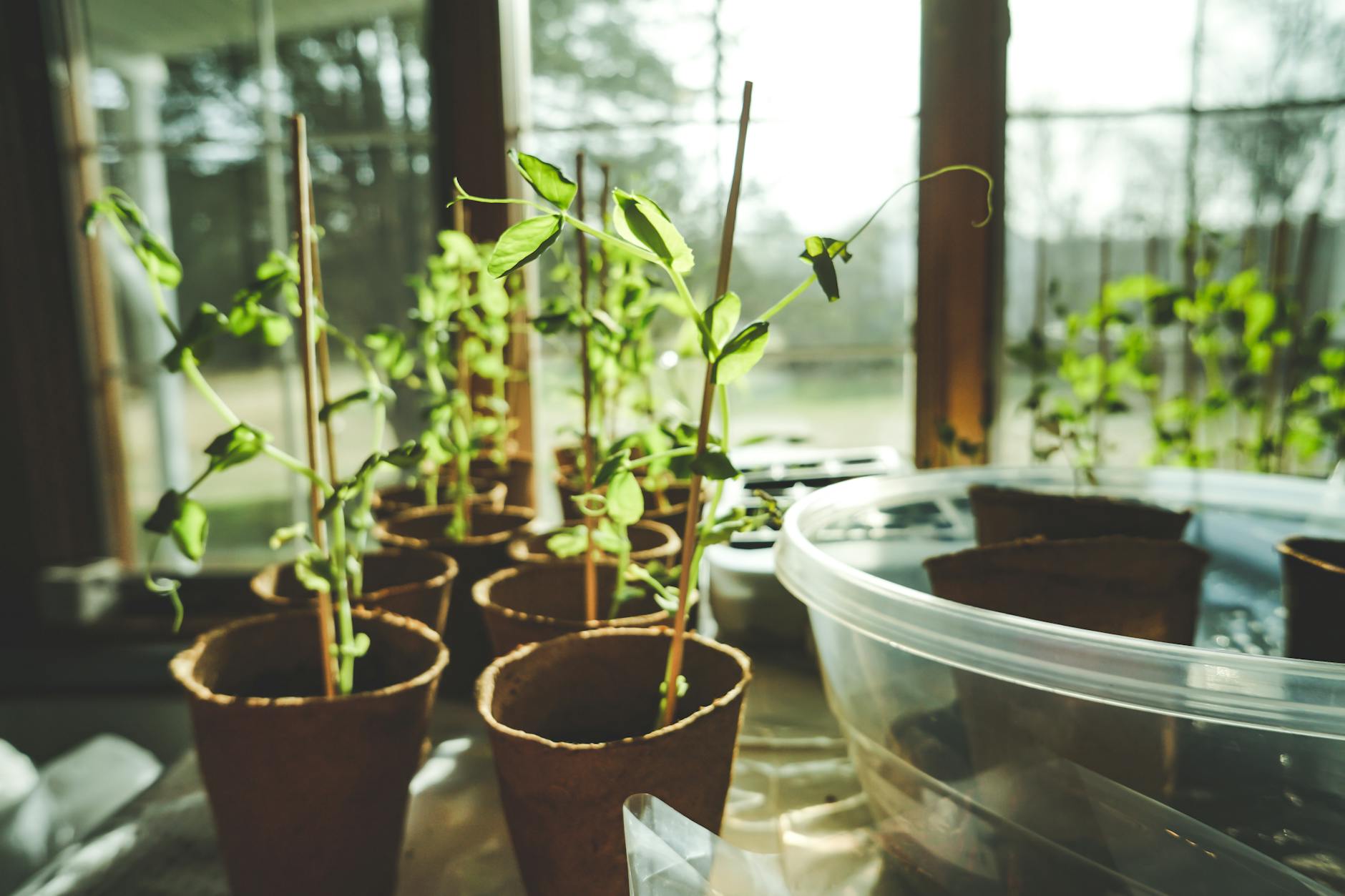
Starting basil indoors works best when you sow seeds 6 to 8 weeks before the last expected frost date in your area. This timing gives seedlings enough warmth and light to develop strong stems before transplanting outdoors. Aim for a soil temperature of 70 to 75 °F during germination.
Why This Matters
Planting too early leads to leggy, weak seedlings that struggle once moved outside, while planting too late shortens the growing season and reduces harvest. Basil is a warm‑season herb that dislikes cold soil and can suffer stunted growth if exposed to temperatures below 50 °F. Getting the timing right balances vigor with a healthy root system.
Step-by-Step Guide
Gather supplies: seed trays or small pots, a peat‑free seed starting mix, labels, and a spray bottle for moisture. Fill each container with the moistened mix, leaving about a quarter inch of space at the top. Sow two to three basil seeds per cell, pressing them lightly into the surface.
Cover the trays with a clear dome or plastic wrap to retain humidity, then place them on a heat mat set to 70 °F. Check daily; mist the surface if it looks dry, but avoid soggy conditions that can encourage fungal growth. Once seedlings emerge, usually in 5 to 7 days, remove the cover to improve air flow.
When the seedlings have two true leaves, thin them to one plant per pot by snipping the weaker stems at the base. Transplant each basil into a larger container filled with a quality potting mix, and begin feeding with a half‑strength liquid fertilizer every two weeks. For more on seed‑starting media, see our Pepper seed starting heat mat temps for fast sprouts guide, and for starting other herbs indoors, check the Start broccoli cabbage indoors article.

Best Conditions
Basil germinates fastest when soil temperature stays between 70 and 80 °F; cooler soils slow sprouting and increase the risk of rot. After germination, keep ambient air around 65 to 75 °F and provide 12 to 16 hours of bright light each day. A sunny south‑facing window works, but supplemental grow lights give more consistent results.
Water the seedlings from the bottom whenever the top of the mix feels dry, which encourages roots to grow downward and reduces surface algae. Avoid overhead watering that can wet the foliage and invite fungal diseases. Maintain moderate humidity, around 50 to 60 percent, to keep leaves supple without promoting mold.
Seasonal Timing
In most of the USA and Canada, the average last frost date falls between mid‑April and early May, depending on latitude and elevation. Count back 6 to 8 weeks from that date to find your indoor sowing window. For example, if your last frost is May 10, start basil indoors around March 15 to March 25.
Gardeners in warmer zones (USDA 9‑11) can begin sowing as early as late February, while those in colder zones (USDA 3‑5) should wait until mid‑March. Adjust your schedule based on local weather forecasts, especially if a cold snap is predicted after your planned sowing date. Keeping a simple garden journal helps track what works year to year.
Common Mistakes
Sowing basil too deep is a frequent error; seeds should sit no more than a quarter inch below the surface, as they need light to germinate. Overcrowding cells leads to competition for light and nutrients, resulting in weak, spindly seedlings. Always label each tray with the sowing date to avoid confusion later.
Using garden soil instead of a sterile seed starting mix can introduce pathogens that kill young basil. Watering with cold tap water shocks the roots; let it sit to reach room temperature before applying. Finally, neglecting to harden off seedlings before transplanting causes transplant shock and stunted growth.
Pro Tips
Place a reflective surface, such as a white board or aluminum foil, behind your seedlings to bounce light back onto the foliage and improve uniformity. Rotate the trays a quarter turn every day to prevent plants from leaning toward the light source. A small fan on low speed for a few hours each day strengthens stems by simulating a gentle breeze.
If you lack a heat mat, set the trays on top of a refrigerator or near a warm appliance, but monitor temperature to avoid overheating. Use a timer for your grow lights to ensure consistent photoperiods without manual adjustment. Keep a spare set of labels handy; waterproof markers prevent fading when moisture is present.

Troubleshooting
Leggy, tall seedlings usually indicate insufficient light; move them closer to the light source or increase the duration of artificial illumination. Pale or yellowing leaves often signal nutrient deficiency, which can be corrected with a diluted balanced fertilizer. Mold on the soil surface suggests excess moisture; improve airflow and let the top layer dry between waterings.
If seeds fail to germinate after two weeks, check that the soil temperature is within the 70‑80 °F range and that the mix is moist but not soggy. Poor germination can also stem from old seeds; perform a simple germination test on a paper towel before planting. Should damping‑off appear, discard affected trays and sterilize containers with a 10 percent bleach solution before reuse.
FAQ
When should I start basil seeds indoors?
Start basil seeds indoors 6 to 8 weeks before your area’s average last frost date. This timing lets seedlings develop strong roots and stems while indoor conditions remain warm and stable. Transplant outdoors only after nighttime temperatures stay above 50 °F consistently.
What temperature is best for basil germination?
The ideal soil temperature for basil germination ranges from 70 to 80 °F. At these temperatures, seeds usually sprout within 5 to 7 days. Cooler soils below 65 °F slow germination and increase the risk of fungal issues.
How much light do basil seedlings need?
Basil seedlings require 12 to 16 hours of bright light each day to grow compact and sturdy. If you rely on a sunny window, supplement with a grow light on cloudy days to maintain consistent intensity. Using a timer helps automate the light schedule and prevents overexposure.
When can I transplant basil outdoors?
Transplant basil outdoors when nighttime temperatures remain above 50 °F and the soil has warmed to at least 60 °F. Harden off seedlings by placing them outside for a few hours each day, gradually increasing exposure over 7 to 10 days. This process reduces transplant shock and helps plants establish quickly in the garden.
Closing Thoughts
With the right timing, temperature, and light, indoor basil becomes a reliable source of fresh leaves for months. Remember to monitor moisture, avoid crowding, and give seedlings a gentle breeze to strengthen stems. Following these steps will reward you with fragrant, healthy basil ready for pesto, salads, and summer dishes.