

April presents a pivotal time for gardeners, marking the transition from cool-season crops to the eager anticipation of warm-season vegetables, all guided by your local last frost date. Depending on whether your last frost has passed or is still a few weeks away, you can safely direct sow cold-hardy vegetables like carrots, radishes, and lettuce, or begin transplanting slightly more tender options such as broccoli and cabbage.
Once the threat of frost has reliably passed, typically in late April for many regions, it becomes safe to transplant warm-season favorites like tomatoes, peppers, and eggplants, ensuring soil temperatures are also adequate for their establishment.
Why This Matters
Understanding your last frost date is perhaps the single most critical piece of information for successful spring gardening. Planting too early can expose tender seedlings to damaging cold, setting back growth or even killing young plants outright.
Conversely, waiting too long means missing prime growing windows for certain crops, potentially reducing yields or pushing harvests into less ideal conditions later in the season. Proper timing ensures your seeds germinate successfully and transplants thrive, making the most of the spring growing season.
It also helps you avoid wasted effort and resources, as replanting due to frost damage is both time-consuming and expensive. Aligning your planting schedule with nature's cues maximizes your garden's potential from the very beginning.
Step-by-Step Guide
Determine Your Last Frost Date
Start by finding your average last frost date, which can be easily researched online using your zip code. This date is an average, so always be prepared for slight variations year to year.
Many gardeners refer to local agricultural extension offices or reputable online resources for this crucial information. Keep an eye on local weather forecasts as your estimated date approaches.
Assess Soil Temperature
While air temperature is important, soil temperature is often a better indicator for direct sowing. Most cool-season vegetables germinate best when soil temperatures are consistently above 40°F (4°C) to 50°F (10°C).
Warm-season crops require much warmer soil, typically above 60°F (15°C) to 65°F (18°C), to prevent transplant shock and encourage vigorous growth. You can measure this with a simple soil thermometer inserted several inches deep.
Choose Appropriate Vegetables
In early April, even before your last frost, you can direct sow very cold-tolerant crops such as peas, spinach, and radishes. These thrive in cooler soil and can withstand light frosts.
As your last frost date approaches or passes, expand your planting to include lettuce, Swiss chard, carrots, beets, and brassicas like broccoli and cabbage, which are often started indoors and transplanted. For more on ensuring optimal conditions, consider checking out this resource on soil temperature for planting peas and spinach.
Prepare Your Beds
Before planting, ensure your garden beds are well-prepared. Incorporate compost or other organic matter to improve soil structure and fertility. Rake the soil smooth, removing any large rocks or debris.
Good soil preparation provides an optimal environment for roots to establish quickly and grow strong.
Planting and Protection
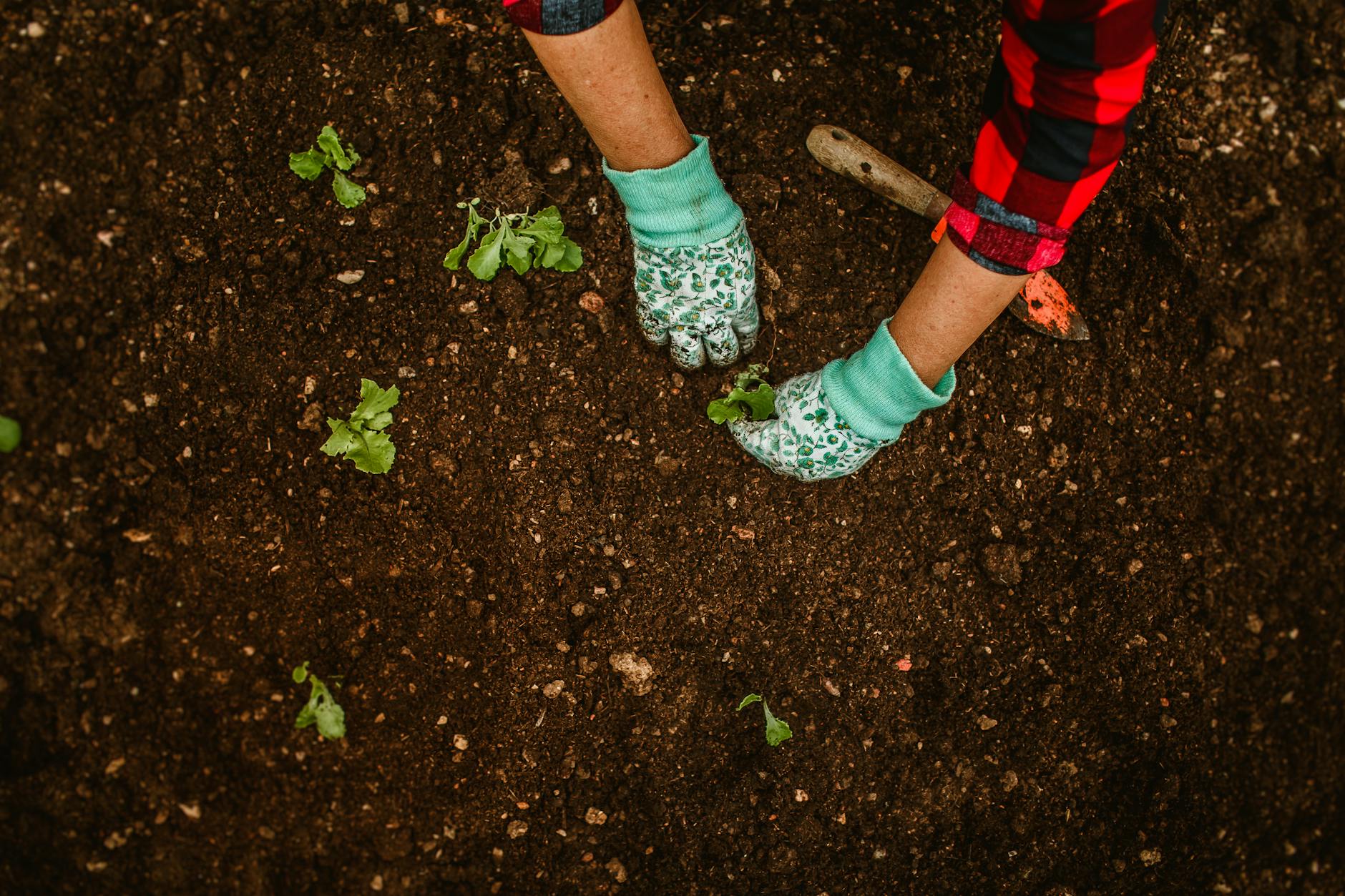
Follow seed packet instructions for planting depth and spacing. For transplants, dig a hole slightly larger than the root ball, place the plant, and backfill gently. Water thoroughly after planting to settle the soil.
If there's still a risk of a late frost, consider covering newly planted seedlings with row covers or cloches. This offers protection while allowing light and air circulation.

Best Conditions
Optimal conditions for April plantings generally involve well-drained, fertile soil rich in organic matter. Most vegetables prefer a soil pH between 6.0 and 7.0, which is slightly acidic to neutral.
Full sun, meaning at least 6-8 hours of direct sunlight per day, is crucial for most vegetables to produce robust yields. Ensure your chosen planting site receives adequate light throughout the growing season.
Consistent moisture is vital, especially for germinating seeds and newly transplanted seedlings. Avoid waterlogging, as this can lead to root rot, but never let young plants completely dry out.
Proper air circulation is also beneficial, helping to prevent fungal diseases, particularly in dense plantings. Give your plants enough space to grow to their mature size.
Seasonal Timing
Early April (Before Last Frost)
This is the ideal time for direct sowing very cold-tolerant crops. Think about planting root vegetables like carrots, beets, and radishes, along with leafy greens such as spinach, lettuce, and Swiss chard.
Onions (sets or plants), potatoes, and peas can also go into the ground. These plants can handle a light frost and will benefit from the cool soil to establish strong root systems.
Mid-April (Around Last Frost Date)
As your average last frost date approaches, you can begin to introduce slightly less cold-tolerant direct sow crops like cilantro and dill. This is also the prime window for transplanting cool-season crops that were started indoors, such as broccoli, cabbage, cauliflower, and kale.
Ensure these transplants have been properly hardened off to acclimate them to outdoor conditions. This gradual exposure prevents shock and promotes healthier growth.
Late April (After Last Frost)
Once the danger of frost has definitively passed and soil temperatures have warmed sufficiently, typically above 60°F (15°C), it's time for warm-season transplants. This includes tomatoes, peppers, eggplants, and early squash.
Direct sow corn, beans, and cucumbers during this period. Always check the long-range forecast to ensure no unexpected cold snaps are on the horizon before putting out tender plants.
Common Mistakes
One frequent mistake is planting tender vegetables too early, before the last frost date has truly passed. Even a light frost can severely damage or kill plants like tomatoes and peppers.
Another pitfall is ignoring soil temperature. Cold soil can stunt growth, cause seeds to rot, or lead to nutrient uptake issues, even if the air temperature seems mild. Always use a soil thermometer.
Failing to harden off transplants is also a common error. Moving plants directly from a warm, sheltered indoor environment to the harsh outdoor elements without gradual acclimation causes significant stress and can lead to plant failure.
Overcrowding your garden beds limits air circulation and nutrient availability, leading to smaller yields and increased disease susceptibility. Always adhere to recommended spacing guidelines for mature plant size.
Pro Tips
Utilize succession planting for crops like lettuce, radishes, and spinach. By planting small batches every 2-3 weeks, you ensure a continuous harvest throughout the spring and early summer, rather than a single large flush.
Employ row covers for early season protection. These lightweight fabrics can raise the temperature underneath by a few degrees, protecting seedlings from unexpected cold snaps and pests. Learn more about row cover weight for frost protection to choose the right type.
Consider starting some warm-season crops indoors 6-8 weeks before your last frost date. This gives them a head start and allows for earlier harvests once they are safely transplanted outdoors.
Keep a garden journal. Documenting planting dates, weather conditions, germination rates, and harvest times will provide invaluable data for planning future seasons and improving your gardening success.
Troubleshooting
If an unexpected late frost is predicted after you've planted tender crops, cover them immediately. Use old sheets, blankets, or cloches to protect them overnight, removing covers in the morning.
Poor germination can often be attributed to improper soil temperature, inconsistent moisture, or old seeds. Check seed viability and ensure conditions are optimal for the specific crop you are trying to grow.
Yellowing leaves on young plants might indicate a nutrient deficiency or overwatering. Assess your watering schedule and consider a balanced, organic liquid fertilizer if a deficiency is suspected.
Early pest issues can be managed with organic solutions like neem oil or insecticidal soap. Inspect your plants regularly to catch problems early before they become widespread. Hand-picking larger pests is also effective.
FAQ
Can I plant tomatoes in April?
You can typically transplant tomatoes in late April, but only if your average last frost date has passed and soil temperatures are consistently above 60°F (15°C). Planting too early risks severe damage from cold.
What if my last frost date is very late in April or early May?
If your last frost date is late, focus on very cold-hardy crops for early and mid-April plantings, such as peas, spinach, and radishes. Delay planting more tender vegetables and warm-season transplants until after your specific frost-free date.
How do I know my specific last frost date?
You can find your average last frost date by searching online using your zip code or postal code. Websites like the National Oceanic and Atmospheric Administration (NOAA) or local university extension offices provide reliable data.
What are some fast-growing vegetables for April planting?
Radishes are incredibly fast, maturing in as little as 3-4 weeks. Lettuce, spinach, and many Asian greens can also be ready for harvest within 4-6 weeks, making them excellent choices for quick yields in April.
Embracing the Spring Garden
April truly is a month of renewal and opportunity in the garden, offering a chance to lay the groundwork for a season of abundant harvests. By carefully observing your local conditions and understanding the needs of your chosen vegetables, you can navigate the nuances of spring planting with confidence.
Paying attention to your last frost date and soil temperature will not only protect your plants but also empower you to make informed decisions that lead to a thriving garden. Embrace the planning and the planting, and look forward to the delicious rewards of your efforts.
The satisfaction of harvesting your first spring crops, whether crisp radishes or tender greens, is one of gardening's greatest joys. Happy planting!