

Quick Answer: Addressing Aphids on Pepper Buds
When you spot aphids on pepper buds, the best immediate action depends on the severity of the infestation. For light to moderate cases, start with non-chemical methods like a strong spray of water or manual removal. If the infestation is widespread and threatening your harvest, an insecticidal soap can be applied, but always prioritize fostering beneficial insects like ladybugs and lacewings, as they provide sustainable, long-term control. This guide covers aphids on pepper buds what to do in a practical way.
Why This Matters: Protecting Your Pepper Harvest
Aphids are tiny, soft-bodied insects that feed on plant sap, and their presence on your pepper buds can be a serious concern. These pests can stunt plant growth, cause distorted leaves, and, most critically, prevent your pepper flowers from setting fruit. Early detection and appropriate action are crucial to safeguard your potential harvest and maintain the overall health of your pepper plants.
Ignoring an aphid problem, especially on sensitive new growth and flower buds, can lead to significant yield loss. Aphids can also transmit plant viruses, further jeopardizing your garden. Understanding when to intervene and how is key to successful pepper cultivation.
Understanding Aphids on Pepper Buds: Damage and Identification
Aphids typically cluster on the undersides of leaves, on tender new shoots, and, most damagingly, directly on flower buds. They pierce the plant tissue and suck out vital sap, weakening the plant. Signs of aphid presence include curled or yellowing leaves, sticky residue (honeydew) on foliage, and the presence of sooty mold, which grows on the honeydew.
A small comparison: unlike whiteflies, which are also sap-suckers but fly away readily when disturbed and have a powdery appearance, aphids tend to be more sluggish and vary in color from green to black, red, or yellow. Their pear-shaped bodies are easily identifiable, and they often reproduce rapidly, leading to quick population explosions if left unchecked.
Integrated Pest Management: Your First Line of Defense
An Integrated Pest Management (IPM) approach is the most sustainable and effective way to deal with aphids. This strategy combines various methods to minimize pest damage while reducing risks to people and the environment. It emphasizes prevention, observation, and only using chemical controls when absolutely necessary.
Prevention starts with healthy plants. Well-nourished, properly watered plants are more resilient to pest attacks. Regularly inspect your pepper plants, especially the new growth and flower buds, for any signs of aphids. Early detection allows for simpler, less invasive control methods before the problem escalates.
Step-by-Step Guide to Managing Aphids on Pepper Buds
Addressing aphids effectively involves a tiered approach, moving from least to most intensive interventions:
- Manual Removal: For very small infestations, simply pick off aphids by hand or use a strong stream of water to dislodge them from the buds and foliage. This is often effective if caught early.
- Hosing Off: A gentle but firm spray of water from a garden hose can physically knock aphids off your plants. This needs to be done regularly, perhaps every few days, to keep populations down. Ensure you spray the undersides of leaves and into the nooks of the buds.
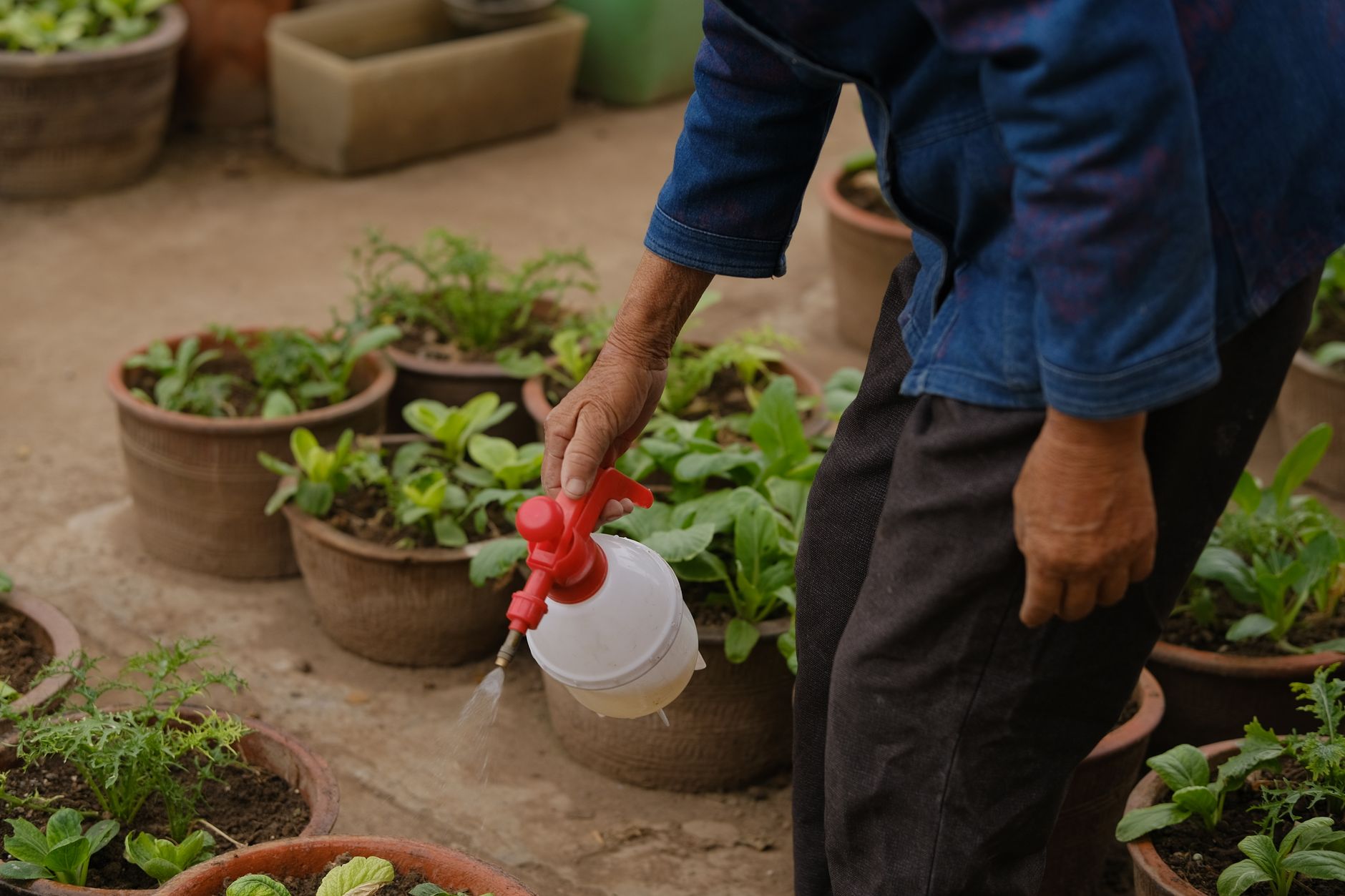
- Insecticidal Soap Application: If manual methods aren't enough, an insecticidal soap is a good next step. These soaps work by suffocating the aphids on contact, so thorough coverage is essential. Always follow product instructions and test on a small area first.
- Introducing Beneficial Insects: Ladybugs, lacewings, and hoverflies are natural predators of aphids. Creating a welcoming environment for these beneficials by planting diverse flowers and herbs can significantly reduce aphid populations over time. Consider purchasing them for immediate release in severe cases.
- Pruning Affected Parts: In some instances, if only a few buds or leaves are heavily infested, carefully pruning and disposing of those specific plant parts can help reduce the overall aphid load and prevent further spread.
Remember that a healthy plant is less susceptible to pests. Ensuring your peppers are thriving through proper hardening off techniques can make a big difference. For more insights on giving your plants a strong start, read about Harden Off Peppers and Eggplants: Slower Steps for Success.
When to Spray vs. When to Wait for Beneficials
Deciding when to spray and when to rely on beneficial insects is a critical practical tradeoff in gardening. If you have just a few aphids and see ladybugs or other beneficials present, waiting a few days to let nature take its course is often the best approach. Spraying can harm these helpful insects, disrupting the natural balance.
However, if aphid populations are exploding, causing visible damage to buds, and beneficials are scarce or not keeping up, immediate intervention with an insecticidal soap might be necessary to save your harvest. A real-world constraint is that beneficial insects might not always be present in sufficient numbers, or they might take time to establish and control a rapidly growing aphid population. This is where a targeted spray can provide a necessary knockdown.
A common beginner mistake is to panic and apply a broad-spectrum pesticide at the first sign of aphids. This often kills beneficial insects along with the pests, leading to a rebound of pest populations later, as their natural enemies have been eliminated. Always start with the least toxic and most targeted methods.
Best Conditions for Pepper Health (and Aphid Prevention)
Maintaining optimal growing conditions for your pepper plants significantly reduces their vulnerability to aphids. Peppers thrive in full sun, well-draining soil, and consistent moisture. Avoid over-fertilizing with nitrogen, as this can lead to lush, tender growth that aphids particularly love.
Companion planting can also play a role. Plants like nasturtiums can act as trap crops, luring aphids away from your peppers, while strong-smelling herbs like chives, garlic, and mint can deter them. Creating a diverse garden ecosystem promotes a healthier balance, making it harder for any single pest population to dominate.
Protecting young seedlings from early pest pressure is also important. For tips on creating protective environments for your vulnerable plants, consider exploring DIY Cold Frames for Spring Seedlings: What Works and What Overheats Fast.
Common Mistakes to Avoid
- Over-fertilizing with Nitrogen: As mentioned, excessive nitrogen promotes soft, succulent growth that aphids find irresistible. Use balanced fertilizers or those higher in phosphorus and potassium once flowering begins.
- Ignoring Early Signs: Aphids reproduce quickly. A small cluster can become a widespread infestation in a matter of days. Regular inspection is key to catching them early.
- Using Broad-Spectrum Pesticides Unnecessarily: These chemicals kill beneficial insects along with pests, leading to long-term imbalances and often more severe pest problems later on. Always opt for targeted, less harmful solutions first.
- Spraying in Hot Sun: Applying insecticidal soap or neem oil in direct, hot sunlight can burn plant foliage. Always spray in the early morning or late evening when temperatures are cooler.
Troubleshooting Persistent Aphid Problems
If aphids continue to be a problem despite your best efforts, consider these troubleshooting steps. First, ensure you're accurately identifying the aphid species, as some may be more resistant to certain treatments. Some aphids are specific to certain plants and might require a slightly different approach.
Next, evaluate your garden's overall ecosystem. Are there enough host plants for beneficial insects? Is there an ant problem? Ants often protect aphids from predators in exchange for honeydew, so controlling ants can indirectly help with aphid control. Consider using sticky traps around the base of your pepper plants to deter ants.
Finally, crop rotation can help. If you're growing peppers in the same spot year after year, aphid populations may build up in the soil or surrounding areas. Rotating your crops can break these cycles and reduce pest pressure. Physical barriers like fine mesh netting can also protect young plants from initial infestations.
Final Thoughts
Managing aphids on pepper buds requires vigilance, patience, and an understanding of integrated pest management principles. By combining manual removal, water sprays, and judicious use of insecticidal soaps with the promotion of beneficial insects, you can effectively protect your pepper plants and ensure a bountiful harvest. Remember, a healthy garden ecosystem is your best defense against pests.
FAQ
Are aphids on pepper buds harmful?
Yes, aphids on pepper buds are particularly harmful. They feed directly on the developing flowers, which can cause them to drop prematurely or result in deformed fruit. A heavy infestation can significantly reduce your pepper yield and weaken the entire plant.
Can I use neem oil on pepper buds?
Neem oil is an effective organic option for aphid control. It acts as an antifeedant, repellent, and growth disruptor. When using neem oil on pepper buds, ensure you apply it thoroughly, covering all affected areas. Always follow product instructions, and apply it in the cooler parts of the day to avoid leaf burn.
How do I attract beneficial insects to my garden?
To attract beneficial insects like ladybugs, lacewings, and hoverflies, plant a variety of flowering plants that provide nectar and pollen. Good choices include dill, fennel, cilantro, cosmos, marigolds, and sweet alyssum. Avoid using broad-spectrum pesticides, as these will kill the beneficials you're trying to attract.
What are the signs of a severe aphid infestation?
Signs of a severe aphid infestation include widespread curling and yellowing of leaves, significant stunting of plant growth, extensive sticky honeydew covering leaves and stems, and the presence of sooty mold. You will also see large clusters of aphids on multiple parts of the plant, especially on new growth and flower buds.