
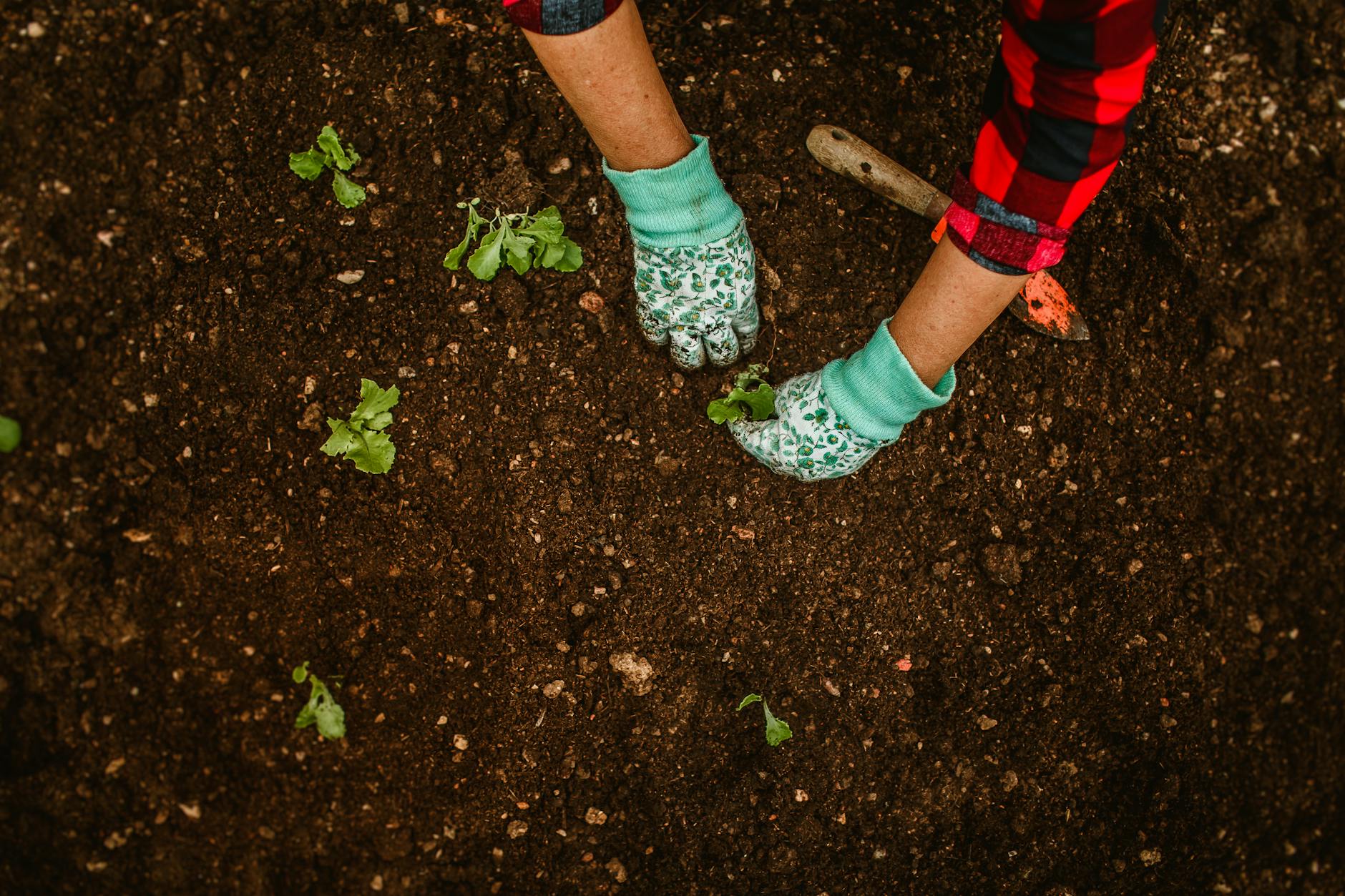
The Trade-Off: Patience for Perfect Okra Stands in Heavy Soil
Direct sowing okra offers the undeniable convenience of planting seeds directly into the garden bed, bypassing the often-fussy process of starting indoors. For many gardeners, it's the preferred method for this heat-loving crop. However, when faced with heavy, clay-rich soil, this convenience comes with a significant trade-off: the risk of poor germination and frustratingly patchy stands. While light, sandy loam might forgive minor planting errors, heavy soil demands a more thoughtful approach to ensure your okra seeds sprout successfully and thrive. This guide covers direct sowing okra in heavy soil in a practical way.
The challenge lies in the very nature of heavy soil. Its dense structure can impede seedling emergence, restrict root development, and often stays colder and wetter for longer, creating an inhospitable environment for delicate new sprouts. Successfully direct sowing okra in heavy soil isn't about brute force; it's about strategic preparation and understanding the unique needs of both the plant and your garden's specific conditions. This article will guide you through overcoming these hurdles, transforming potential okra emergence problems into a season of abundant harvests.
The Challenge of Heavy Soil for Okra
Heavy soil, often characterized by a high clay content, presents a formidable barrier to successful direct seeding. Unlike loamy or sandy soils, clay particles are very fine and pack together tightly, leading to poor aeration and drainage. This density makes it difficult for tender okra sprouts to push through the soil surface, often resulting in weakened seedlings or complete failure to emerge.
Another significant issue is temperature. Heavy soils warm up much slower in the spring compared to lighter soils. Okra is a warm-season crop, requiring consistent soil temperatures above 65°F (18°C) for optimal germination. Planting too early into cold, heavy soil dramatically increases the risk of seed rot and stalled growth, leading directly to patchy okra stands across your garden bed.
Furthermore, heavy soils can become compacted easily, especially after rain or irrigation. This compaction further exacerbates the issues of poor aeration and drainage, creating an anaerobic environment that is detrimental to root health. Addressing these inherent characteristics of heavy soil is paramount for any gardener aiming for a successful okra crop.
Quick Comparison: Light vs. Heavy Soil for Okra Emergence
Understanding the fundamental differences in how okra seeds behave in various soil types can illuminate why special care is needed for heavy soils. In light, sandy loam, seeds generally face minimal resistance as they sprout. The soil is well-aerated, warms up quickly, and drains efficiently, providing an ideal environment for rapid and uniform germination.
Conversely, in heavy soil, the path to emergence is fraught with obstacles. Seeds must exert significantly more energy to push through the dense crust that often forms on the surface. This extra effort can exhaust the seedling's stored energy reserves, leading to weaker plants or outright failure to break ground. This is a common beginner mistake: assuming all soils are equally forgiving for direct sowing.
A small comparison reveals that moisture retention also plays a critical role. While light soils might dry out too quickly, requiring more frequent watering, heavy soils can retain too much moisture, particularly after rain. This excessive wetness, combined with cooler temperatures, creates conditions ripe for fungal diseases that can decimate germinating seeds before they even have a chance to emerge. Managing this delicate balance is crucial for successful heavy soil planting.
Step-by-Step Guide: Direct Sowing Okra in Heavy Soil
1. Assess and Amend Your Soil
Before you even think about planting, spend time on soil preparation. This is the single most critical step when dealing with heavy soil. Dig down about 12-18 inches and observe the texture and structure. If it feels dense, clumpy, and doesn't crumble easily, you're likely working with heavy clay.
To improve heavy soil, incorporate generous amounts of organic matter. Well-rotted compost, aged manure, leaf mold, or even finely shredded bark can dramatically improve soil structure. Aim for at least a 3-4 inch layer spread over your bed and thoroughly mixed into the top 6-8 inches. This process improves drainage, aeration, and makes the soil easier for seedlings to penetrate. A practical tradeoff here is the time and effort involved in amending, but it pays dividends in plant health and yield.
2. Choose the Right Okra Variety
While most okra varieties can adapt, some are known for being more vigorous or having stronger seedling emergence. Consider varieties like ‘Clemson Spineless’ or ‘Burgundy’ which are generally robust. Researching varieties specifically recommended for less-than-ideal soil conditions might also be beneficial, though good soil preparation remains paramount.
3. Optimal Timing for Direct Sowing
Timing is everything, especially when direct sowing okra in heavy soil. Unlike lighter soils that warm up quickly, heavy clay retains cold for longer. Do not be tempted to plant too early. Wait until all danger of frost has passed and, more importantly, until your soil temperature consistently reaches at least 65°F (18°C) at a depth of 4 inches. Using a soil thermometer is indispensable here. Planting earlier is a real-world constraint that often leads to failure, just as you wouldn't rush planting cucumbers into cold soil.
In many regions, this means waiting until late May or early June, even if air temperatures feel warm. Patience here prevents significant okra emergence problems. Similar considerations apply to other warm-season crops; for instance, understanding soil temperature is crucial for growing corn in April.
4. Prepare Your Seedbed and Plant
Once your soil is amended and warm, create a fine, loose seedbed. Rake the surface to remove any large clumps or debris. For okra, plant seeds about 1 inch deep and 4-6 inches apart in rows that are 3 feet apart. You can plant two seeds per spot to ensure germination, thinning to the strongest seedling later.
Consider creating a small mound or raised row if your heavy soil is particularly prone to waterlogging. This slight elevation can improve drainage around the seed zone. After planting, gently firm the soil over the seeds, but avoid compacting it. A light layer of fine compost or sand over the seed row can also help prevent crusting.
5. Initial Watering and Ongoing Care
Water thoroughly immediately after planting to settle the seeds. For heavy soil, this first watering should be deep but slow, allowing the water to penetrate without creating runoff or a hard crust. After this, be mindful not to overwater. Heavy soils hold moisture for longer, so allow the top inch or two to dry out slightly between waterings to prevent seed rot and encourage root development.
Once seedlings emerge, continue to monitor moisture levels. Thin your seedlings to 12-18 inches apart when they are 4-6 inches tall, ensuring adequate space for robust growth. Proper spacing is crucial to avoid competition and ensure strong, productive plants, preventing patchy okra stands from becoming a permanent feature.
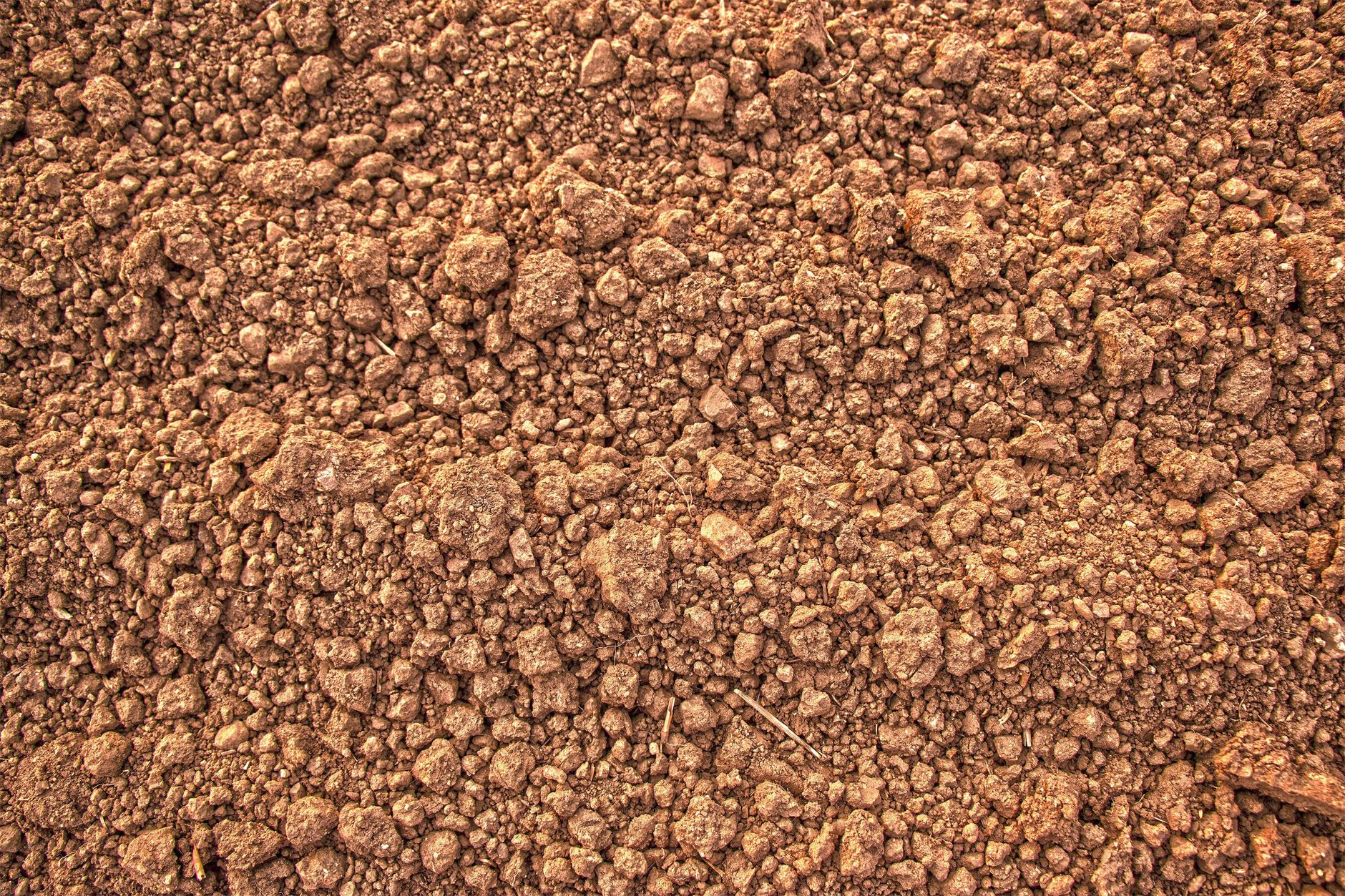
Optimizing Conditions for Okra in Clay
Beyond the initial planting, maintaining optimal conditions is key for healthy okra growth in heavy soil. Mulching is highly recommended. A 2-3 inch layer of organic mulch, such as straw or wood chips, helps regulate soil temperature, suppresses weeds, and crucially, conserves moisture while preventing the formation of a hard crust on the soil surface. This is particularly beneficial in clay soils, as it mitigates the risk of further compaction and makes it easier for subsequent rainfall or irrigation to penetrate.
Regular, gentle cultivation around the plants, being careful not to disturb the roots, can also help maintain good soil structure and aeration. Avoid walking on your garden beds, especially when the soil is wet, as this can quickly lead to compaction. If you notice signs of nutrient deficiency, a side dressing of compost or a balanced organic fertilizer can provide a boost, as heavy soils can sometimes lock up nutrients or make them less available to plants.
Common Mistakes Leading to Patchy Okra Stands
Several common missteps can lead to disappointing, uneven okra growth, especially when dealing with challenging soil. The most prevalent beginner mistake is planting too early when soil temperatures are still too low. Okra seeds planted in cold, wet, heavy soil are highly susceptible to damping-off disease or simply rotting before they can germinate.
Another frequent error is inadequate soil amendment. Simply scratching a little compost into the surface isn't enough to significantly alter the structure of heavy clay. Deep, thorough incorporation of organic matter is essential for long-term success. Overwatering, particularly in the early stages, is also detrimental. Heavy soils drain slowly, and excessive moisture deprives roots of oxygen, leading to root rot and poor emergence.
Finally, forgetting to thin seedlings can result in overcrowded, weak plants that compete for limited resources, leading to reduced yields and an overall sparse appearance despite initial germination. Addressing these common pitfalls proactively will greatly improve your chances of a lush, productive okra patch.
FAQ
Can I still direct sow okra if my soil is pure clay?
Yes, but it requires significant effort. Pure clay needs substantial amendment with organic matter—think compost, aged manure, or leaf mold—to improve its structure, drainage, and aeration. Without these amendments, direct sowing okra in pure clay is likely to result in very poor germination and weak plants. It's a long-term investment in your soil health.
How do I know if my soil is heavy enough to cause problems?
You can perform a simple 'ribbon test.' Take a small handful of moist (not wet) soil and squeeze it into a ball. Then, try to push it between your thumb and forefinger to form a ribbon. If you can form a ribbon longer than 2 inches before it breaks, you likely have heavy, clay-rich soil that will present challenges for direct sowing okra.
What’s the ideal soil temperature for okra germination in heavy soil?
For successful okra germination in heavy soil, aim for a consistent soil temperature of at least 65°F (18°C), ideally closer to 70-85°F (21-29°C), measured at a 4-inch depth. Heavy soils take longer to warm up, so waiting until these temperatures are stable is crucial to prevent seed rot and ensure strong emergence.
Can I start okra indoors and transplant into heavy soil?
While direct sowing is generally preferred for okra due to its sensitive taproot, you can start seeds indoors 3-4 weeks before the last frost date. Use biodegradable pots (like peat or cow pots) to minimize root disturbance during transplanting. Ensure the heavy soil in your garden bed is well-amended and warm before transplanting to give your seedlings the best chance of success.
Final Thoughts
Direct sowing okra in heavy soil doesn't have to be a battle against nature. By understanding the unique challenges posed by dense clay and proactively implementing strategic solutions, you can transform your garden bed into a hospitable environment for this beloved warm-season crop. The key is thorough soil preparation, meticulous timing, and attentive initial care.
Embrace the process of amending your soil, be patient for the optimal planting window, and provide your young okra plants with the best possible start. With these practices, you'll overcome the common okra emergence problems and avoid those frustrating patchy okra stands, instead enjoying a bountiful harvest of tender okra pods throughout the summer.