

Seasonal Timing: Understanding Cucumber Thirst in Containers
As early summer approaches and the days grow longer and warmer, many of us eagerly anticipate the joy of harvesting fresh cucumbers directly from our patios and balconies. Growing cucumbers in containers is a fantastic way to enjoy these prolific summer patio vegetables, even with limited space. However, their success hinges significantly on one critical factor: consistent moisture. This guide covers keep container cucumbers evenly moist in a practical way.
Unlike their in-ground counterparts, container-grown cucumbers face unique challenges when it comes to watering. The confined soil volume in pots heats up and dries out much faster, especially during the peak heat of June, July, and August. Cucumbers are naturally thirsty plants, requiring a steady supply of water to produce crisp, abundant fruit. Understanding this seasonal demand is the first step in mastering container cucumber care.
Neglecting this thirst can quickly lead to stressed plants, poor yields, and bitter fruits. Therefore, developing an effective watering strategy is paramount for anyone hoping to enjoy a successful harvest from their potted vines. It’s not just about how much water, but when and how it’s applied to truly keep container cucumbers evenly moist without resorting to daily, meticulous tending.
Why Timing and Technique Matter for Even Moisture
Inconsistent watering is arguably the biggest foe of container cucumbers. Periods of drought followed by sudden drenching can cause significant stress, leading to problems like blossom end rot, stunted growth, and an unpleasant, bitter flavor in the fruit. The goal isn’t just to water, but to maintain a consistently moist, yet never waterlogged, environment for the roots.
The difference between moist and waterlogged soil is crucial. Waterlogged soil deprives roots of oxygen, leading to root rot and eventual plant death. Moist soil, conversely, provides the necessary hydration while allowing roots to breathe. This balance is particularly delicate in containers where drainage can be an issue if not properly managed.
A common real-world constraint for many gardeners is a busy schedule that doesn't always allow for daily watering, especially during the hottest parts of summer. This is where strategic planning and proper technique become invaluable. The practical tradeoff here is that while setting up a more efficient watering system might require a bit more initial effort, it saves significant time and worry in the long run, ensuring your cucumbers thrive even when you can't be there every day.
Best Conditions for Consistent Container Cucumber Hydration
Creating the ideal environment for your container cucumbers begins long before you even think about watering frequency. The right setup can significantly reduce the effort required to keep container cucumbers evenly moist.
Pot Choice and Material
The pot itself plays a huge role in moisture retention. Large pots are always preferable for cucumbers, as they provide more soil volume to hold water and buffer against temperature fluctuations. For instance, a 5-gallon pot is a minimum, but larger is better. When comparing materials, plastic pots generally retain moisture longer than terracotta pots because terracotta is porous and allows water to evaporate through its sides. However, terracotta also offers excellent aeration, which can be beneficial if you tend to overwater. A good compromise might be glazed ceramic or plastic pots, especially for beginners aiming to avoid overwatering pots.
The Right Soil Mix
Your potting mix is just as critical as your pot. A high-quality, well-draining potting mix specifically designed for containers is essential. It should be light enough to allow for good aeration but also contain amendments that help retain moisture, such as coco coir, peat moss, or compost. Avoid using heavy garden soil, which compacts easily in pots and can lead to poor drainage and root rot.
The Power of Mulch
Mulching the surface of your container soil is one of the simplest yet most effective ways to conserve moisture. A 1-2 inch layer of organic mulch, such as straw, shredded leaves, or wood chips, acts as a protective barrier. It reduces water evaporation from the soil surface, keeps soil temperatures cooler, and helps suppress weeds that compete for water. This practice alone can significantly extend the time between waterings.
Strategic Location
While cucumbers love sun, intense afternoon heat can rapidly dry out containers. If possible, position your pots where they receive morning sun and some afternoon shade, especially in hotter climates. Alternatively, you can group pots together to create a microclimate that reduces evaporation, or even shade the sides of the pots with larger plants or a physical barrier during the hottest parts of the day.
Step-by-Step Guide to Keep Container Cucumbers Evenly Moist
Achieving consistent moisture requires a proactive approach, combining observation with effective techniques. Here’s how to set up a routine that works.
Initial Watering and Saturation
When you first plant your cucumbers or repot them, ensure the entire soil volume is thoroughly saturated. Water slowly until you see water draining from the bottom holes. Allow it to drain completely, then water again. This ensures there are no dry pockets within the soil. After this initial deep watering, establish a regular checking routine.
The Finger Test: Your Best Indicator
Forget watering on a strict schedule; the most reliable method is to check the soil moisture directly. Stick your finger about 2 inches deep into the soil. If it feels dry at that depth, it's time to water. If it still feels cool and damp, hold off. This simple test prevents both overwatering and underwatering, a common beginner mistake.
Smart Watering Techniques
- Deep Watering: When you do water, water thoroughly until it flows freely from the drainage holes. This encourages deep root growth. Avoid shallow, frequent sips, which only moisten the top layer of soil.
- Bottom Watering: For established plants, especially during hot spells, consider bottom watering. Place your pot in a tray or saucer filled with water and allow the plant to soak up moisture from the bottom for 20-30 minutes. This is an excellent way to rehydrate dry soil without disturbing the plant or washing away nutrients.
- Drip Irrigation or Self-Watering Planters: For ultimate consistency and convenience, especially for those looking to avoid overwatering pots, consider installing a simple drip irrigation system or using self-watering planters. Drip systems deliver water slowly and directly to the roots, minimizing waste and ensuring even moisture. Self-watering planters have a reservoir that the plant draws from as needed, providing a steady supply of water for days. These systems are invaluable for busy gardeners and help to consistently keep container cucumbers evenly moist.
Monitoring and Adjusting
Your watering routine will need to adapt as the season progresses and as your plants grow. Small, young plants use less water than large, fruiting vines in the heat of summer. Pay attention to your plant's signals: wilting leaves can indicate underwatering, while yellowing leaves or stunted growth might suggest overwatering or nutrient deficiencies exacerbated by poor drainage.
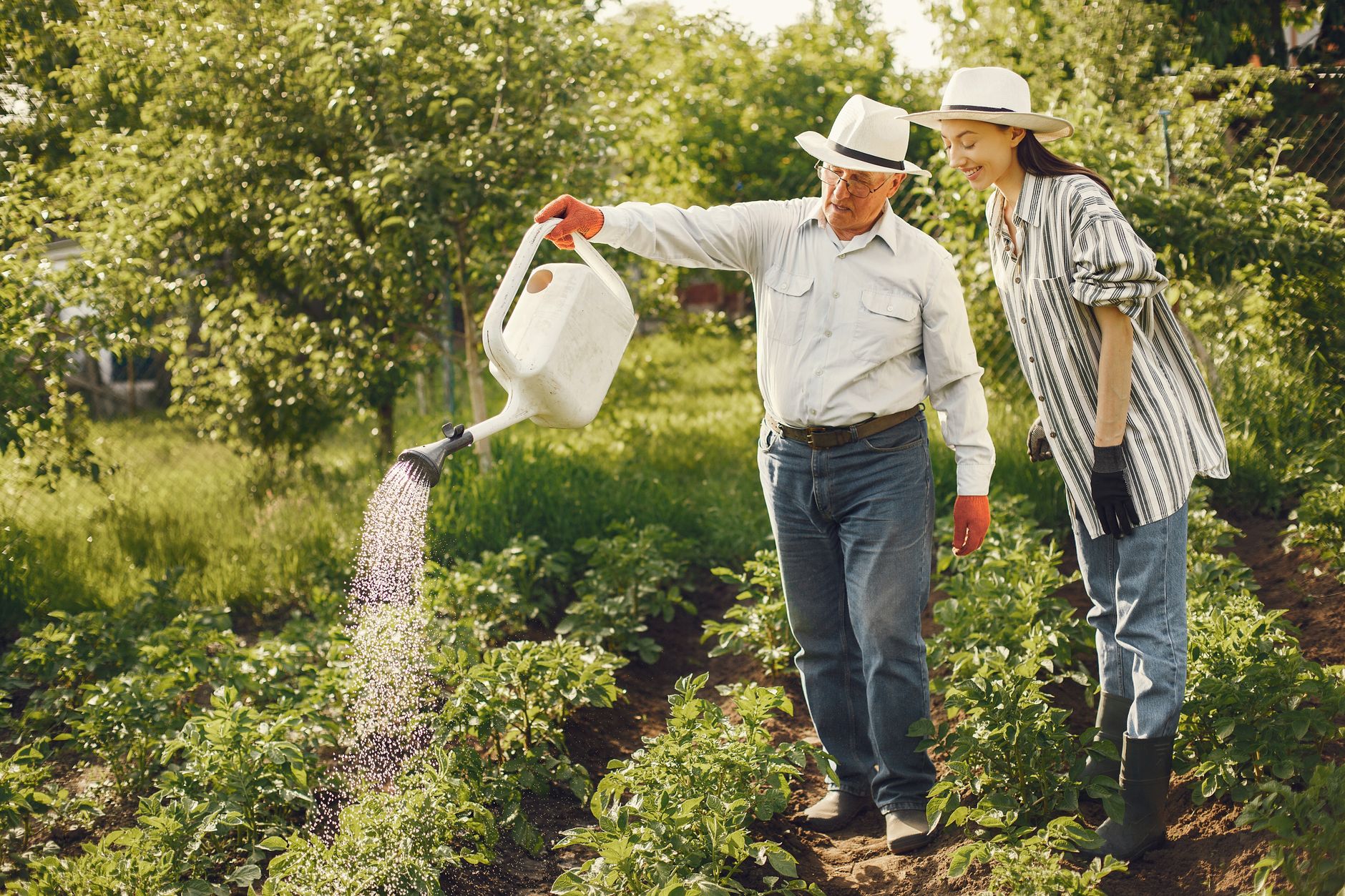
Common Mistakes to Avoid When Watering Potted Cucumbers
Even experienced gardeners can sometimes fall prey to common watering pitfalls, especially with demanding plants like container cucumbers. Recognizing these mistakes can save your harvest.
Watering on a Strict Schedule
As mentioned, watering on a calendar schedule rather than by actual need is a significant beginner mistake. The weather changes, plant size changes, and soil composition affects drying rates. Always use the finger test or a moisture meter to guide your watering decisions. For more insights on optimal container gardening setups, including pot sizes that influence watering needs, consider reading Container Vegetable Gardening: Best Pot Sizes for Vegetables.
Ignoring Drainage Holes
Ensure your containers have ample drainage holes at the bottom. If they don't, drill some. Without proper drainage, excess water has nowhere to go, leading to waterlogged soil, root rot, and a quick demise for your cucumber plant. Elevating pots slightly off the ground can also improve drainage and air circulation.
Shallow Watering
Consistently providing only small amounts of water that just wet the surface encourages shallow root growth. This makes your plant more susceptible to drought stress during hot periods and less efficient at absorbing nutrients. Always water deeply until moisture begins to seep from the drainage holes.
Using Cold Water
Watering your plants with very cold tap water, especially on a hot day, can shock the roots. If possible, use water that has been allowed to sit out for a few hours to reach ambient temperature. Rainwater is always an excellent choice if you have a collection system, as it's naturally room temperature and free of chlorine.
Pro Tips for Optimal Container Cucumber Watering
Beyond the basics, a few advanced strategies can elevate your container cucumber game and ensure you consistently keep container cucumbers evenly moist, leading to a bumper crop.
Invest in a Moisture Meter
While the finger test is good, a simple soil moisture meter offers a more precise reading of the moisture levels at various depths. This tool can be particularly helpful for beginners or for those growing many containers, providing quick, objective data to inform watering decisions.
Group Pots for Microclimates
Clustering your cucumber pots with other plants, especially larger ones, can create a beneficial microclimate. The combined foliage increases humidity, reducing the rate of evaporation from individual pots and helping to maintain a more stable soil temperature. This also makes your patio look lush and inviting.
Shade the Pots, Not Necessarily the Plant
On scorching summer days, the sun beating directly on the sides of dark-colored pots can cause the soil to heat up dramatically, accelerating moisture loss. You can shade the pots themselves with cardboard, burlap, or even by placing them inside a larger, decorative planter (cachepot) to insulate them. This keeps the root zone cooler without depriving the foliage of necessary sunlight. For successful cucumber growth, proper timing for planting is also crucial; learn more about When to Direct Sow Cucumbers After Frost: Don’t Rush Cold Soil to set your plants up for success.
Water in the Morning
The best time to water container cucumbers is in the early morning. This allows the plants to absorb water before the heat of the day sets in, giving them ample hydration to withstand evaporation. Watering in the evening can leave foliage wet overnight, potentially encouraging fungal diseases.
Final Thoughts
Mastering the art of watering container cucumbers is a cornerstone of successful gardening. By choosing the right pot and soil, employing smart watering techniques, and paying close attention to your plants and the weather, you can easily keep container cucumbers evenly moist. This consistent hydration will reward you with a continuous supply of crisp, delicious cucumbers all summer long, transforming your patio into a productive and thriving edible landscape.
FAQ
How often should I water container cucumbers in hot weather?
In hot weather (above 85°F or 30°C), container cucumbers may need watering once or even twice a day. Always check the soil moisture 2 inches deep with your finger before watering. Self-watering planters or drip irrigation can significantly reduce the frequency of manual watering during peak heat.
Can I use a self-watering planter for cucumbers?
Yes, self-watering planters are excellent for cucumbers, especially in containers. They provide a consistent water supply from a reservoir, reducing the risk of both underwatering and overwatering. Ensure the planter is large enough for the cucumber's root system and has good aeration.
What are the signs of overwatering a cucumber plant?
Signs of overwatering include yellowing leaves (especially lower leaves), stunted growth, wilting despite moist soil, and soft, mushy stems or roots. If you notice these symptoms, immediately reduce watering and ensure your pot has adequate drainage.
Is it better to water from the top or bottom for container cucumbers?
Both methods have merits. Top watering is common and effective for delivering nutrients. Bottom watering encourages deeper root growth and can rehydrate very dry soil more efficiently without compacting the topsoil. A combination of both, using bottom watering as a supplement during hot, dry spells, can be ideal for container cucumbers.