

When the summer sun beats down with relentless intensity, many gardeners face a familiar dilemma: how to keep a steady supply of fresh, homegrown greens when traditional spinach bolts almost as soon as it sprouts. It’s a frustrating tradeoff, sacrificing the joy of homegrown produce for the convenience of store-bought alternatives that lack the same freshness. Thankfully, there’s a remarkable solution that thrives precisely when true spinach falters: Malabar spinach. This guide covers how to start malabar spinach in summer in a practical way.
This often-overlooked leafy green offers a robust, heat-loving alternative, ensuring your salads and stir-fries remain vibrant and homegrown throughout the hottest months. Learning how to start Malabar spinach in summer is a game-changer for gardeners longing for a continuous harvest of greens. It truly is a remarkable plant, perfectly adapted to conditions that would send its temperate cousins straight to seed.
Quick Comparison: Malabar Spinach vs. True Spinach
While both are called 'spinach,' Malabar spinach (Basella alba or Basella rubra) is not botanically related to common spinach (Spinacia oleracea). True spinach belongs to the amaranth family, while Malabar spinach is a member of the Basellaceae family. This fundamental difference accounts for their wildly divergent growth habits and preferred climates.
True spinach is a cool-season crop, preferring temperatures between 50-70°F (10-21°C) and quickly bolting to seed once temperatures rise. Its leaves are tender, mild, and have a soft texture. In contrast, Malabar spinach is a tropical vine that flourishes in heat and humidity, thriving in temperatures above 80°F (27°C) where true spinach would simply give up.
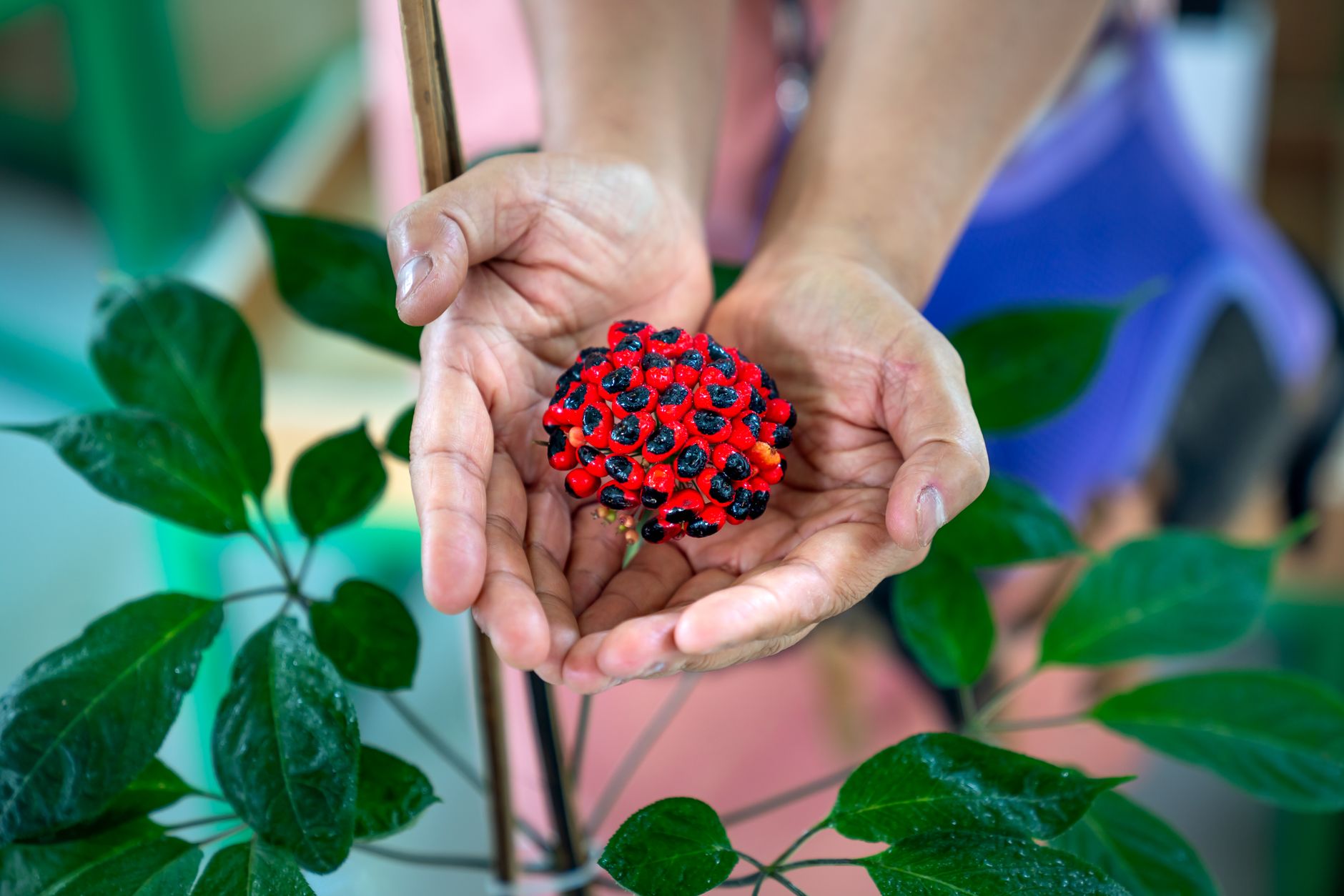
The leaves of Malabar spinach are thicker, more succulent, and have a slightly mucilaginous texture, especially when cooked. Some describe its flavor as a mild, peppery blend of spinach and chard. It's a vining plant that requires support, unlike the compact rosettes of true spinach, making it a visually distinct and rewarding addition to the garden.
Why Choose Malabar Spinach for Summer?
The primary reason to embrace Malabar spinach is its incredible heat tolerance. As temperatures climb and other leafy greens succumb to the summer heat, Malabar spinach truly begins to shine. This makes it an indispensable addition for anyone looking to maintain a productive vegetable patch through scorching summers.
Beyond its resilience, Malabar spinach is also highly nutritious, packed with vitamins A and C, iron, and calcium. It’s a versatile ingredient that can be used raw in salads, cooked in stir-fries, soups, or curries, and even blended into smoothies. Its unique texture adds body to dishes, offering a satisfying mouthfeel that many find appealing.
Choosing Malabar spinach addresses a significant real-world constraint for gardeners: the lack of fresh, homegrown leafy greens during the hottest parts of the year. Instead of relying solely on grocery stores for your summer greens, you can cultivate a thriving patch right in your backyard. This plant provides a continuous harvest, saving you trips and ensuring peak freshness.
Step-by-Step Guide: How to Start Malabar Spinach in Summer
Starting Malabar spinach is a straightforward process, but a few key steps will ensure a robust and productive harvest. Given its love for warmth, timing your planting for the summer months is ideal, typically after all danger of frost has passed and soil temperatures are consistently warm.
Preparing Your Site and Soil
Malabar spinach thrives in full sun, meaning at least 6-8 hours of direct sunlight per day. Choose a location that receives ample light and has well-draining soil. While it tolerates a range of soil types, it performs best in rich, fertile soil with a pH between 6.5 and 7.0.
Amend your planting area with plenty of compost or well-rotted manure to improve soil structure and fertility. Good soil preparation is foundational for any successful crop, ensuring your plants have access to essential nutrients and moisture. For more on soil health, consider resources like understanding soil temperature for planting peas and spinach, which provides general insights into optimal soil conditions.
Starting from Seed
Malabar spinach seeds have a tough outer coat, which can inhibit germination. To improve germination rates, it's highly recommended to scarify the seeds (gently nick the seed coat with a file or sandpaper) and soak them in warm water for 24-48 hours before planting. This process softens the outer shell, allowing moisture to penetrate more easily.
You can direct sow seeds once soil temperatures are consistently above 70°F (21°C), typically late spring or early summer. Plant seeds about 1/2 inch deep and 6-12 inches apart in rows, or in clusters if you plan to thin them later. Alternatively, you can start seeds indoors 4-6 weeks before your last frost date, transplanting them out once the weather is warm and stable.
Providing Support
As a vigorous vining plant, Malabar spinach absolutely requires a trellis, fence, or other sturdy support structure to climb. Failing to provide adequate support is a common beginner mistake that leads to sprawling plants and reduced air circulation, making them more susceptible to disease. Install your support at planting time to avoid disturbing the roots later.
The vines can reach lengths of 6 feet or more, so ensure your chosen support is tall enough to accommodate its growth. Training the vines early will encourage upward growth and maximize your available garden space. This vertical growth habit also helps keep the leaves clean and improves air circulation around the plants.
Watering and Fertilizing
Malabar spinach prefers consistently moist soil, especially during hot, dry periods. Aim for about 1 inch of water per week, either from rainfall or irrigation. During extreme heat, you may need to water more frequently. Avoid overhead watering late in the day to minimize the risk of fungal diseases.
While not a heavy feeder, a balanced organic fertilizer applied monthly can boost growth, particularly if your soil isn't exceptionally rich. A slow-release granular fertilizer or a liquid feed like fish emulsion can be beneficial. Observe your plants for signs of nutrient deficiency, such as yellowing leaves, and adjust your feeding schedule accordingly.
Best Conditions for a Bountiful Harvest
To truly maximize your Malabar spinach yield, focus on replicating its preferred tropical conditions. High temperatures and consistent moisture are key. While it tolerates some shade, especially in the hottest climates, full sun generally leads to more robust growth and higher yields.
Aim for daytime temperatures consistently above 80°F (27°C) and nighttime temperatures not dropping below 60°F (15°C). Humidity is also a friend to Malabar spinach, so consider mulching around the base of plants to help retain soil moisture and create a slightly more humid microclimate. A practical tradeoff to remember is that while Malabar spinach is incredibly heat-tolerant, it still needs consistent moisture; extreme drought will stress the plant and reduce leaf quality, even if it doesn't outright kill it.
Regular harvesting also encourages new growth, leading to a more prolific plant. Pinch off the tender young leaves and stem tips, which are the most desirable for culinary use. This practice not only provides a continuous supply of greens but also helps keep the plant bushy and prevents it from becoming leggy.
When This Advice Changes: Extending Your Harvest
While Malabar spinach truly shines in summer, its growing season can be extended in certain regions or with specific techniques. In USDA zones 9 and warmer, Malabar spinach can often be grown as a perennial, returning year after year from its roots, or at least continuing to produce well into the fall.
For those in cooler climates, you can extend the harvest by providing protection as temperatures begin to drop. A cold frame or row cover can shield plants from early frosts, allowing for a few more weeks of production. You can also take cuttings from established plants in late summer and root them indoors, growing them in pots through the winter as an indoor houseplant or for an early start next spring.
Understanding the nuances of warm-season planting and transplanting can further enhance your gardening success. For instance, knowing when to start pumpkins indoors can provide useful parallels for other heat-loving plants that benefit from an early start.
Common Mistakes to Avoid
One of the most frequent errors gardeners make with Malabar spinach is underestimating its vining nature. Many treat it like a bush spinach, only to find it sprawling across the garden bed, shading out other plants and becoming difficult to manage. Always provide a sturdy trellis or support from the very beginning.
Another common pitfall is inconsistent watering, especially during peak summer heat. While tolerant of heat, Malabar spinach is not drought-tolerant. Allowing the soil to dry out completely between waterings will stress the plant, leading to tough, less palatable leaves and reduced yields. Regular, deep watering is crucial for lush, tender growth.
Finally, neglecting to harvest regularly can lead to tough, overgrown leaves and the plant putting more energy into producing seeds rather than new foliage. Consistent pinching of the growing tips encourages bushier growth and ensures a steady supply of tender greens. Don't be shy about harvesting; it actually helps the plant produce more.
FAQ
Is Malabar spinach really spinach?
No, Malabar spinach is not botanically related to true spinach (Spinacia oleracea). It belongs to a different plant family, Basellaceae, while true spinach is in the Amaranthaceae family. They are similar in culinary use but differ in growth habit, flavor, and heat tolerance.
Can I grow Malabar spinach in a container?
Yes, Malabar spinach can be successfully grown in containers. Choose a large pot, at least 10-15 gallons (approximately 18-24 inches in diameter), to accommodate its vigorous root system and vining growth. Ensure the container has good drainage holes and provide a sturdy trellis or stake for support.
How do I harvest Malabar spinach?
Harvest Malabar spinach by pinching off the tender young leaves and the top 4-6 inches of the stem. Regular harvesting encourages the plant to produce more side shoots, leading to a bushier plant and a continuous supply of greens. You can begin harvesting once the plant has established several sets of leaves.
What are common pests of Malabar spinach?
Malabar spinach is generally quite resistant to pests and diseases. However, common garden pests like aphids, spider mites, and leaf miners can occasionally affect it, especially in stressed plants. Inspect your plants regularly and use organic pest control methods like neem oil or insecticidal soap if necessary.
Does Malabar spinach taste like regular spinach?
Malabar spinach has a mild, slightly earthy flavor with hints of pepper, often described as a cross between spinach and chard. It also has a distinct succulent, somewhat mucilaginous texture, especially when cooked, which is different from the tender, delicate texture of true spinach.
Final Thoughts
For gardeners in warm climates or anyone seeking a reliable leafy green through the summer, learning how to start Malabar spinach in summer is an invaluable skill. This resilient, heat-tolerant leafy green provides a fantastic summer spinach substitute, ensuring your garden remains productive and your plate full of fresh produce when other greens have long since bolted. Embrace this vigorous vine, and enjoy the bounty it brings to your summer kitchen.