
Quick Answer
To keep seed trays moist outdoors in heat without algae, prioritize bottom watering, provide indirect shade, ensure excellent air circulation, and use a sterile, well-draining seed starting mix. Employ humidity domes for germination but remove them promptly once seedlings emerge, and consider using clear plastic covers or shade cloth to regulate temperature and reduce evaporation without creating overly humid surface conditions that foster algae. This guide covers keeping seed trays moist outdoors in heat in a practical way.
Why This Matters: The Delicate Balance of Outdoor Seed Starting
Starting seeds outdoors during warmer months presents a unique set of challenges, primarily balancing the need for consistent moisture with the risk of overheating and fungal issues. High temperatures accelerate evaporation, causing trays to dry out rapidly, which can stunt germination or kill tender young seedlings. Conversely, excessive surface moisture combined with warmth and light creates an ideal breeding ground for green algae, a common nuisance that competes with seedlings for nutrients and can suffocate delicate roots.
Understanding how to manage these environmental factors is crucial for successful seed starting. Your goal is to provide a stable, moist environment for germination and early growth while actively preventing the conditions that lead to algae and disease. This involves careful consideration of your watering methods, the placement of your trays, and the type of growing medium you use. It's a delicate dance between hydration and aeration, ensuring your future garden stars get the best possible start.
Step-by-Step Guide: Mastering Outdoor Seed Tray Moisture
1. Choose the Right Location
Selecting an appropriate spot is paramount. Full, scorching sun will cook your seedlings and dry out trays within hours. Instead, opt for a location that receives bright, indirect light or dappled shade, especially during the hottest part of the day. A spot under a tall tree, on a porch with an overhang, or against a north-facing wall can offer protection. Good air circulation is also vital, so avoid enclosed, stagnant areas.
2. Master Your Watering Technique
Bottom watering is your best friend when keeping seed trays moist outdoors in heat. Place your seed trays into a larger, shallow tray or basin filled with about an inch of water. The growing medium will wick up the moisture from below, hydrating the soil without saturating the surface. This significantly reduces the conditions favorable for algae growth and minimizes disturbance to delicate seedlings.
Allow the trays to sit for 15-30 minutes, or until the top surface of the soil appears moist. Remove them from the water and let any excess drain away completely before returning them to their spot. For very dry trays, a gentle top misting might be needed initially to rehydrate the top layer, but transition to bottom watering as soon as possible. Check moisture levels daily by lifting trays to gauge their weight or by gently poking a finger into the soil.
3. Regulate Humidity and Temperature
Humidity domes are excellent for initial germination but become problematic once seedlings emerge. Once you see sprouts, remove the domes to improve air circulation and prevent damping-off disease. To maintain moisture without a dome, you can place a clear plastic sheet or even a pane of glass loosely over the tray, propped up slightly to allow for some airflow. This creates a mini-greenhouse effect, reducing evaporation while still allowing for air exchange.
For heat management, especially if temperatures consistently exceed ideal ranges, consider using a light shade cloth (30-50% shade) draped over your seed starting area. This can significantly lower the ambient temperature around your trays, reducing water loss and preventing heat stress. A practical tradeoff here is that shade cloth might slightly reduce light intensity, so you'll need to monitor seedling growth for legginess.
4. Select the Ideal Growing Medium
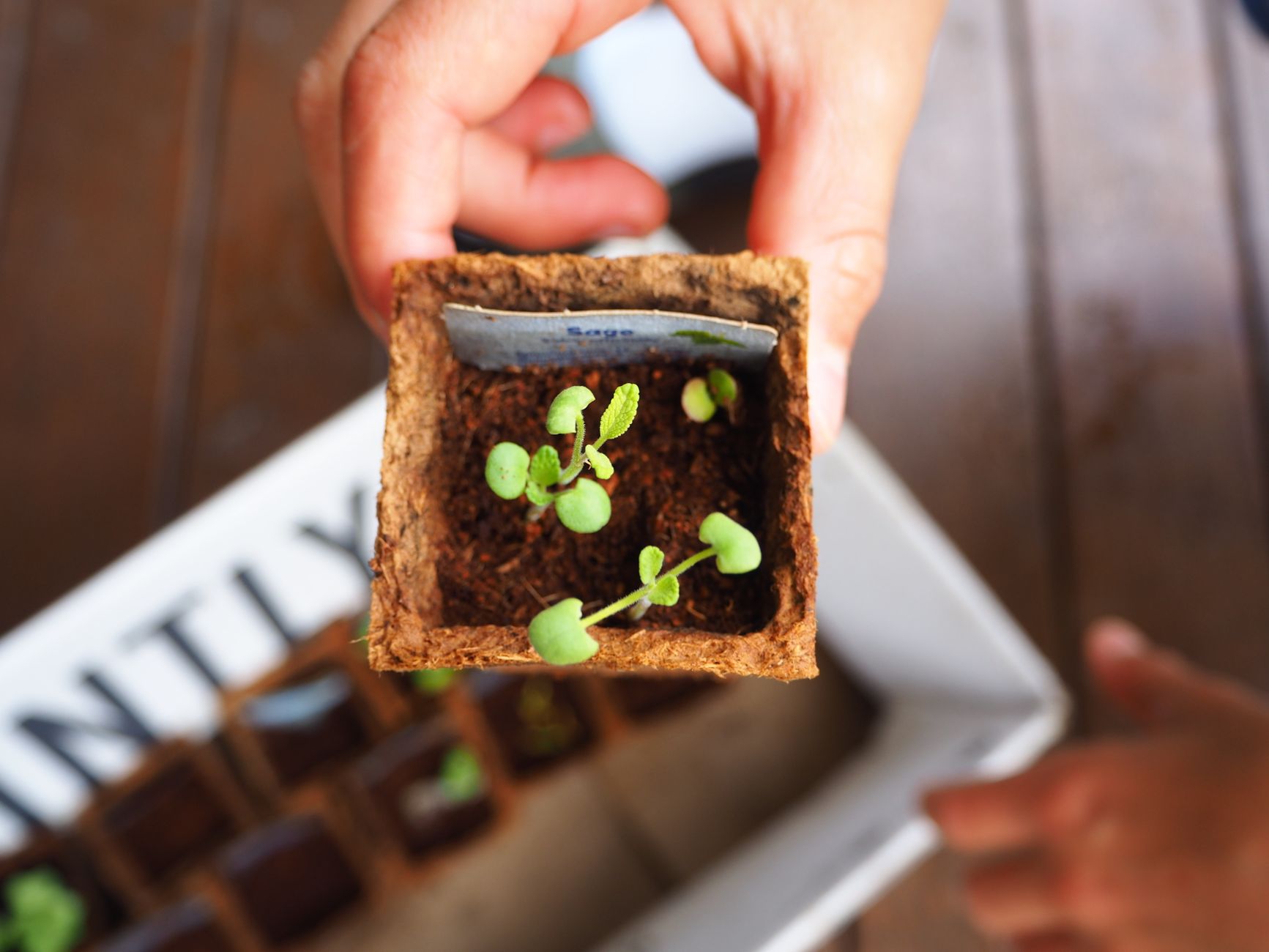
A high-quality, sterile seed starting mix is crucial. Look for a fine-textured, peat-free or coir-based mix that offers excellent drainage and aeration while retaining moisture. Avoid garden soil or heavy potting mixes, which can compact, hold too much water, and introduce pathogens or weed seeds that lead to algae or disease. Using amendments like Compost in seed starting trays can introduce beneficial microbes, but for initial seed starting, a sterile medium is often preferred to prevent early fungal issues.
5. Optimize Air Circulation
Good airflow is a powerful deterrent to algae and fungal diseases. Ensure your seed trays are not packed too closely together. If starting many trays, consider using a small oscillating fan on a low setting nearby, aimed to gently move air across the seedling tops. This helps dry the surface of the growing medium quickly after watering, making it less hospitable for algae, and strengthens seedling stems.
Best Conditions for Algae-Free Growth
Achieving algae-free seed trays in hot weather hinges on maintaining a Goldilocks zone of moisture and light. Algae thrives in perpetually wet, warm, and brightly lit conditions. By disrupting this triad, you can effectively prevent its growth.
Provide bright, indirect sunlight, not direct, intense sun that scorches and encourages algae. Adequate light is essential for healthy seedling development, but too much heat from direct sun will dry out the trays quickly and promote algae on wet surfaces. Consider the needs of your specific seeds; for example, peppers often benefit from warmer soil temperatures for germination, but this needs careful management to avoid algae, as discussed in resources like Pepper seed starting heat mat temps for fast sprouts.
Consistent bottom watering ensures the root zone is moist while the surface dries out between waterings. This intermittent drying of the surface is critical. Combine this with excellent air circulation, which helps evaporate surface moisture rapidly. A real-world constraint for many gardeners is finding a truly ideal spot that offers both perfect light and consistent airflow without being exposed to strong winds that could dry out trays too quickly.

Common Mistakes to Avoid
One of the most common beginner mistakes is **overwatering from the top**. This constantly saturates the surface of the seed starting mix, creating the perfect environment for algae and damping-off disease. It also compacts the soil, reducing vital oxygen to the roots.
Another pitfall is **leaving humidity domes on too long**. While beneficial for germination, once seedlings emerge, domes trap excessive humidity, leading to fungal issues and weak, leggy growth. Remove them promptly to allow for air exchange.
**Placing trays in full, scorching sun** without protection is a recipe for disaster. The intense heat will quickly dry out the delicate seedlings and can literally cook them. Always provide some form of shade or indirect light.
Finally, **using non-sterile soil or old potting mix** can introduce dormant weed seeds, fungal spores, and insect eggs, all of which compete with or harm your seedlings. Always start with a fresh, sterile seed starting mix designed specifically for this purpose. A small comparison: think of it like performing surgery – you want a sterile environment, not a contaminated one.
Troubleshooting Algae and Other Issues
Dealing with Algae
If you spot green algae on the surface of your seed starting mix, don't panic. It's a sign that conditions are too wet and too bright. Gently scrape off the top layer of algae with a spoon or fork, being careful not to disturb the seedlings. Immediately adjust your watering routine to bottom water exclusively and allow the surface to dry out more between waterings. Increase air circulation around the trays and ensure they are not receiving excessive direct sunlight. Sometimes, a light dusting of cinnamon can also act as a mild fungicide and deterrent.
Addressing Damping-Off Disease
Damping-off is a fungal disease that causes seedlings to rot at the soil line and collapse. It's often a result of overwatering, poor air circulation, and non-sterile conditions. Prevention is key: use sterile seed starting mix, ensure good airflow, avoid overwatering, and clean all trays and tools thoroughly before use. If it occurs, remove affected seedlings immediately to prevent spread, and consider applying a fungicide if the problem persists, though prevention is far more effective.
Managing Heat Stress
If your seedlings appear wilted despite adequate moisture, or if the leaves are curling or turning yellow, they might be suffering from heat stress. Move your trays to a cooler, shadier location, or provide temporary shade with a shade cloth. Misting the foliage lightly with water can also provide some immediate relief, but ensure the surface dries quickly to prevent other issues. Consistent monitoring of ambient temperatures around your trays is crucial during hot spells.
FAQ
How often should I water seed trays outdoors in summer?
The frequency of watering depends heavily on ambient temperature, humidity, and the size of your trays. In hot summer weather, you may need to check your trays daily, and possibly water every day or every other day. Always check the moisture level by lifting the tray or feeling the soil a half-inch down. Water when the top half-inch feels dry, always prioritizing bottom watering to prevent surface algae.
Can I use tap water for my seed trays?
Generally, tap water is acceptable for seed trays, provided it's not heavily chlorinated or softened. If your tap water has a strong chlorine smell, let it sit out in an open container for 24 hours to allow the chlorine to dissipate before using. Avoid softened water, as it often contains high levels of sodium, which can be detrimental to young seedlings.
What causes green algae on seed starting mix?
Green algae on seed starting mix is caused by a combination of consistently wet soil surfaces, warm temperatures, and adequate light. Algae are photosynthetic organisms that thrive in these conditions, competing with your seedlings for nutrients and oxygen, and indicating that your watering and environmental controls need adjustment.
When should I remove humidity domes from seedlings?
Remove humidity domes as soon as the first seedlings begin to emerge from the soil. Leaving them on longer creates an overly humid environment that encourages damping-off disease and leads to weak, leggy growth due as seedlings stretch for air and light. Gradually acclimate seedlings to lower humidity by propping the dome open for a few hours before removing it entirely.
What's the tradeoff between bottom watering and top watering?
The primary tradeoff is convenience versus health. Top watering is quicker but can compact soil, disturb seeds/seedlings, and lead to surface algae and damping-off. Bottom watering is more time-consuming initially but promotes stronger root development, prevents algae, and ensures even moisture distribution without surface saturation. For seed starting, the health benefits of bottom watering far outweigh the minor inconvenience.
Final Thoughts
Keeping seed trays moist outdoors in the heat without encouraging algae is a skill developed through observation and consistent care. By understanding the needs of your seedlings and the environmental factors at play, you can cultivate a thriving nursery. Remember, attentive watering, thoughtful placement, and good airflow are your most powerful tools in ensuring a successful start for your garden from seed. Happy growing!