
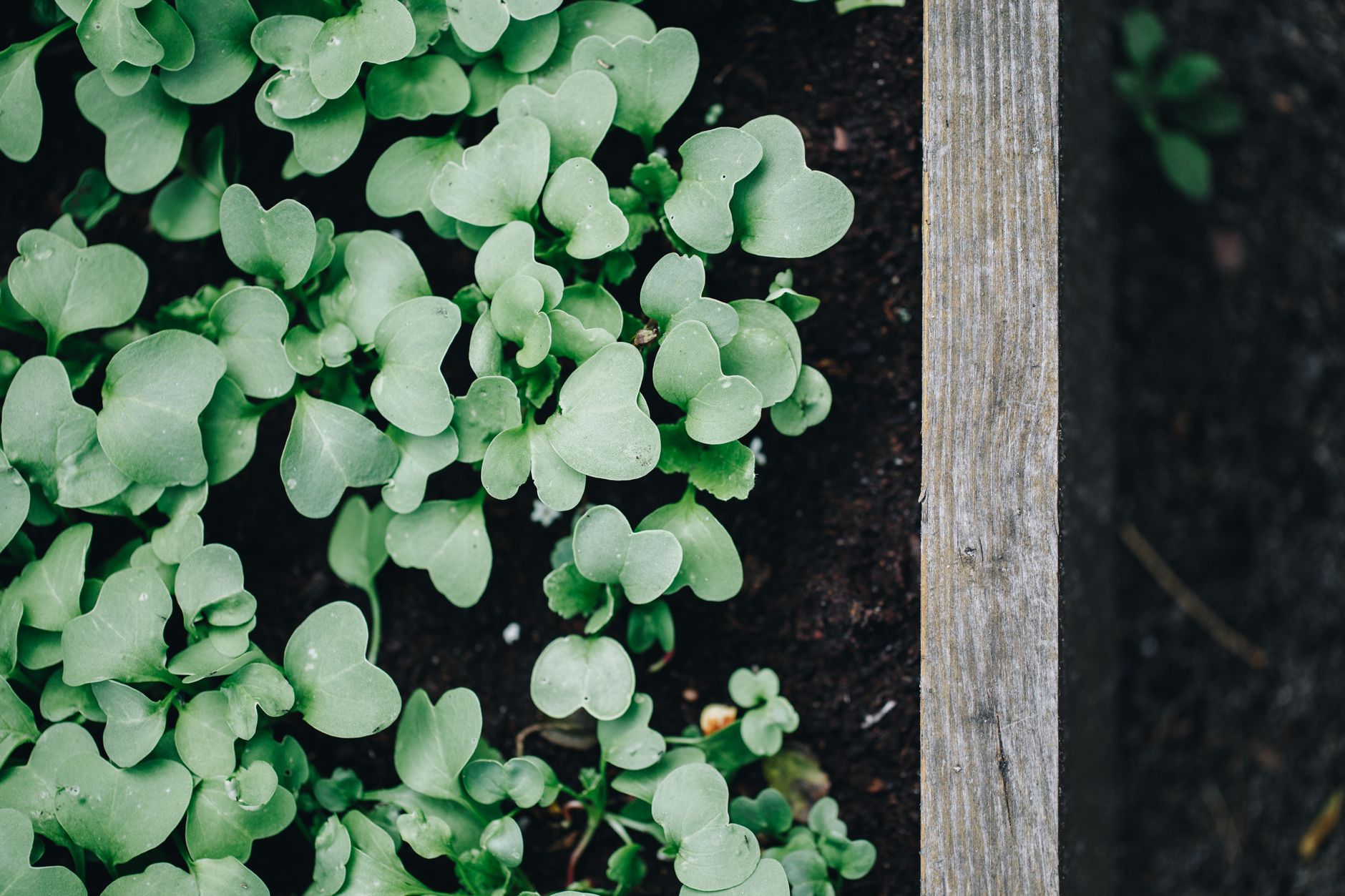
Quick Answer: Eggplant Transplant Timing in Hot June Weather
For optimal success, transplant eggplants in early June when night temperatures consistently stay above 55°F (13°C) and soil temperatures reach at least 65°F (18°C). Prioritize these mild nights and warm soil conditions over extremely hot daytime highs. Always aim to transplant in the late afternoon or on an overcast day to minimize initial shock and allow plants to acclimate gently. This guide covers eggplant transplant timing in hot june weather in a practical way.
Why This Matters: The Eggplant's Delicate Balance
Eggplants are true lovers of warmth, often even more so than their close relatives, tomatoes and peppers. Introducing them to cool soil or chilly nights too early can severely stunt their growth. This early setback can lead to permanently reduced vigor and significantly lower yields throughout the season.
Conversely, transplanting young eggplants directly into intense midday sun on a scorching hot day, without proper acclimatization, can cause immediate leaf scorch. Such conditions induce severe transplant shock, from which plants may struggle to recover. The overarching goal is to facilitate a smooth, stress-free transition from the protective environment of indoor growing to the dynamic outdoor garden.
Mastering the Transplant: A Step-by-Step Guide for Hot June Weather
Step 1: Hardening Off is Non-Negotiable
Even when outdoor temperatures are invitingly warm, your eggplant seedlings require a gradual adjustment period to outdoor conditions. This crucial process, known as hardening off, builds their resilience against the elements like wind, direct sun, and fluctuating temperatures. Skipping this step is a common beginner mistake that can lead to significant setbacks.
For a detailed approach to this vital preparation, consider following the strategies outlined in this guide: Harden Off Peppers and Eggplants: Slower Steps for Success. A week or two of gradual exposure makes an enormous difference in transplant success.
Step 2: Prepare the Perfect Bed
Eggplants thrive in well-draining, fertile soil that is rich in organic matter. Before planting, take the time to amend your chosen garden site with a generous amount of finished compost or well-rotted manure. This improves both aeration and moisture retention, creating an ideal environment for root development.
Consider conducting a soil test to identify any specific nutrient deficiencies your garden might have. Addressing these imbalances before transplanting provides your eggplants with the best possible start. Proper soil preparation prevents many common issues down the line.
Step 3: Choose Your Moment Wisely
The optimal time for transplanting eggplants, especially when facing hot June weather, is late in the afternoon or on an overcast, calm day. This timing allows the young plants several hours of cooler temperatures and reduced sun intensity to begin settling into their new home. They can start establishing roots before the full heat of the next day arrives.
Absolutely avoid transplanting during the hottest part of the day, typically between noon and 3 PM. The intense heat combined with direct sun can overwhelm vulnerable seedlings. This careful timing is a practical tradeoff between convenience and plant health.
Step 4: The Transplanting Process
Begin by digging a hole that is slightly larger and deeper than the root ball of your eggplant seedling. Gently remove the eggplant from its container, taking extreme care not to disturb the delicate root system. Handling the plant by its leaves rather than its stem can prevent damage.
Place the seedling into the prepared hole, ensuring that the soil line remains at the same level as it was in the original pot. Backfill the hole with the amended garden soil, gently firming it around the base of the plant to remove any large air pockets. Avoid compacting the soil too much, as this can hinder root expansion.
Step 5: Immediate Post-Planting Care
Water your newly transplanted eggplants thoroughly immediately after planting. This helps to settle the soil around the roots and eliminates any remaining air pockets, ensuring good soil-to-root contact. A dilute liquid fertilizer, formulated for transplants, can be applied at this stage to provide a gentle nutrient boost.
Finally, apply a layer of organic mulch, such as straw or shredded leaves, around the base of each plant. Mulch is invaluable for conserving soil moisture, regulating soil temperature, and effectively suppressing weed growth. This step significantly reduces stress on the young transplants.

Creating the Ideal Environment: Best Conditions for Eggplant Establishment
Soil Temperature
This factor is paramount for eggplants and often overlooked. Aim for a consistent soil temperature between 65-75°F (18-24°C) at a depth of 4-6 inches. Utilizing a soil thermometer is highly recommended for accuracy. Cold soil, even if the air is warm, severely hinders root development and nutrient uptake, leading to stunted and unhappy plants.
Air Temperature
While eggplants are heat-loving, young transplants prefer night temperatures consistently above 55°F (13°C) and daytime temperatures ranging from 70-90°F (21-32°C). Extremely hot days, particularly those exceeding 90°F (32°C) coupled with low humidity, can stress young plants. Monitor forecasts closely for unexpected heatwaves.
Sunlight
Eggplants require at least 6-8 hours of full, direct sunlight daily to thrive and produce abundantly. However, in regions with exceptionally intense summer sun, providing some temporary afternoon shade for the first few days post-transplant can prevent leaf scorch. A lightweight shade cloth draped over stakes can be a valuable tool for this initial protection.
Watering
Consistent moisture is absolutely crucial for eggplants, especially during their establishment phase. They are heavy feeders and drinkers, demanding a steady supply of water. Aim for deep, infrequent watering sessions that encourage roots to grow deeper into the soil, rather than shallow, frequent sprinkles which only wet the surface.
Avoid letting the soil dry out completely between waterings, as this can cause stress and lead to issues like blossom drop. Conversely, ensure the soil is never waterlogged, as this can lead to root rot. Good drainage is key to balancing moisture levels effectively.
Navigating Challenges: Common Mistakes and Troubleshooting
Beginner Mistake: Skipping Hardening Off
Many enthusiastic gardeners, seeing warm weather, are tempted to rush their tender seedlings outdoors without proper acclimatization. This common beginner mistake often results in severe transplant shock, characterized by yellowing leaves, wilting, and significantly stunted growth. A dedicated period of gradual exposure, even just a week, dramatically improves a plant's ability to cope with its new environment.
Real-World Constraint: Unpredictable Weather Swings
June weather, particularly in many parts of the USA, can be notoriously fickle. A forecast promising consistently warm nights might suddenly drop due to an unexpected cold front. Always check the extended forecast before transplanting, and be prepared to protect your young plants with row covers or cloches if unexpected cool snaps threaten. This constant vigilance is a practical tradeoff for early planting.
Overwatering vs. Underwatering
Finding the right balance with water is a common pitfall for eggplant growers. Eggplants prefer consistently moist, but never waterlogged, soil. Overwatering starves roots of oxygen, leading to root rot, while underwatering causes wilting, stress, and can trigger blossom drop, reducing potential fruit set.
To check moisture levels, stick your finger an inch or two into the soil near the plant's base. If it feels dry, it's time to water thoroughly. Unlike some hardier plants like bush beans, which might shrug off minor fluctuations, eggplants are more akin to tender basil or okra seedlings, demanding precise environmental conditions for optimal growth.
Pest and Disease Vigilance
Young eggplant transplants can be particularly vulnerable to pests like flea beetles and aphids. Inspect your plants regularly, especially the undersides of leaves, for any signs of infestation. Early detection allows for organic pest control methods, such as neem oil or insecticidal soap, before problems escalate. Good air circulation also helps prevent fungal diseases.
Final Thoughts
Successfully transplanting eggplants in hot June weather is a rewarding endeavor that lays the groundwork for a prolific and delicious harvest. By paying meticulous attention to soil and night temperatures, ensuring thorough hardening off, and providing thoughtful post-transplant care, you can help your plants establish strongly and thrive.
Patience and keen observation are your best allies in nurturing these heat-loving beauties. A little extra care and foresight now will undoubtedly yield abundant, flavorful eggplants for your culinary adventures later in the season. Enjoy the process and the bountiful rewards that follow.
FAQ
Can I transplant eggplants if day temperatures are over 90°F?
Yes, but exercise extreme caution and strategic timing. Transplant in the late afternoon or on an overcast day to avoid the most intense sun. Immediately provide temporary shade with a shade cloth for the first few days, especially during peak sun hours. Ensure the soil is consistently moist but never waterlogged to help the plants cope with the heat.
How important is soil temperature for eggplant transplants?
Soil temperature is critically important, arguably more so than air temperature for initial establishment and root development. Cold soil, typically below 60°F (15°C), severely inhibits root growth, nutrient absorption, and overall plant vigor, leading to stunted plants. Always aim for a consistent soil temperature above 65°F (18°C) before planting.
What are the signs of transplant shock in eggplants?
Signs of transplant shock in eggplants include persistent wilting of leaves that does not resolve after watering, yellowing or browning of lower leaves, and a general lack of new growth for an extended period. The plant simply appears unhappy and stagnant. Proper hardening off before transplanting significantly reduces the likelihood and severity of shock.
Should I fertilize eggplants immediately after transplanting?
A dilute, balanced liquid fertilizer can be beneficial immediately after transplanting to help stimulate root establishment and provide initial nutrients. Avoid high-nitrogen fertilizers at this stage, as they tend to promote excessive leafy growth at the expense of robust root development and future fruiting. Follow package directions for dilution carefully.
When should I expect my transplanted eggplants to start producing fruit?
Eggplants typically begin producing fruit 60 to 90 days after transplanting, depending on the specific variety and prevailing growing conditions. Consistent warmth, adequate water, and proper nutrition will encourage earlier and more abundant fruiting throughout the season. For other warm-season crops, understanding their unique needs is also key: When to Start Pumpkins Indoors Late April for Strong Transplants.