
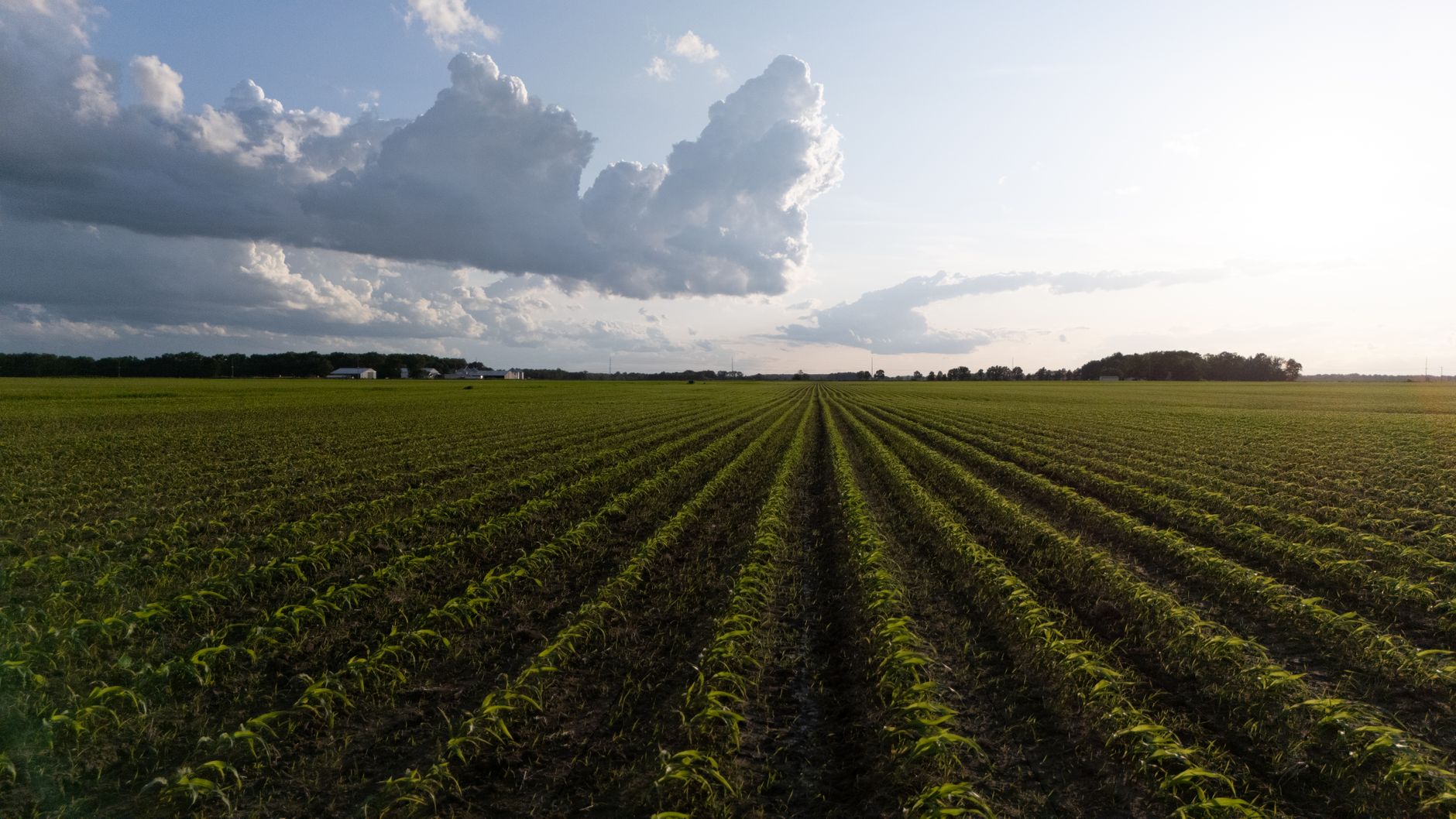
Understanding Nitrogen Burn in Corn Seedlings After Side-Dressing
As the vibrant greens of late spring give way to the burgeoning growth of early summer, many gardeners turn their attention to side-dressing corn. This critical fertilization step, typically performed when corn plants are rapidly developing, provides a much-needed nutrient boost. However, this period also carries a significant risk: nitrogen burn. Understanding how to identify nitrogen burn on corn seedlings after side-dressing is crucial for timely intervention and ensuring a healthy, bountiful harvest.
Nitrogen is a cornerstone nutrient for vigorous corn growth, driving everything from lush foliage to robust stalk development. When applied correctly, it can transform your crop. Yet, an overzealous application or improper technique can lead to a condition known as nitrogen burn, which can severely stunt growth or even kill young plants. Early detection is key to mitigating damage and helping your corn recover.
Seasonal Timing and Why Nitrogen Matters (and Burns)
Corn’s nitrogen demands are highest during its vegetative growth stages, particularly from the V3 (three visible leaf collars) to V6 (six visible leaf collars) stages. This is precisely when side-dressing is most commonly performed. At this point, the plants are past their initial seedling vulnerability but haven't yet entered their intense reproductive phase, making them receptive to nutrient uptake.
Nitrogen, while essential, is also a salt. When concentrated in high amounts, especially around delicate root systems or directly on foliage, it draws moisture out of plant cells through osmosis. This cellular dehydration is what we observe as 'burn.' Think of it like pouring too much salt on a slug – the effect is similar, though less dramatic, for plant tissues. This is a critical real-world constraint for gardeners; balancing nutrient availability with plant safety.
The method of application plays a huge role here. Granular fertilizers left on leaves or too close to the stalk, or liquid fertilizers applied in too high a concentration, can cause immediate damage. Dry soil conditions exacerbate the problem, as there’s less moisture to dilute the nitrogen and carry it safely to the root zone. This is a practical tradeoff: waiting for moist soil might delay application, but applying to dry soil significantly increases burn risk.
Identifying Nitrogen Burn: Key Symptoms on Corn Seedlings
Recognizing nitrogen burn requires keen observation, as its symptoms can sometimes mimic other issues like drought stress or other nutrient deficiencies. However, nitrogen burn often presents with a distinct pattern directly linked to recent fertilizer application.
The most common and tell-tale sign of nitrogen burn is the yellowing and browning, or 'scorching,' of leaf tips and margins. This damage typically appears on the lower, older leaves first, as these are often closer to the soil surface where granular fertilizers might have accumulated, or where splash-up from liquid applications occurred. The affected areas will look dry, crispy, and shriveled, often with a sharp line between healthy green tissue and damaged brown tissue.
Beyond leaf scorching, you might observe overall stunted growth. The plant simply isn't growing as rapidly as its healthy counterparts. In severe cases, the entire plant might wilt, turn brown, and eventually collapse. Unlike a general nitrogen deficiency, which causes uniform yellowing of older leaves, nitrogen burn shows a distinct necrotic (dead tissue) pattern, often concentrated at the edges.
A small comparison: While drought stress also causes wilting and browning, it usually affects the entire plant more uniformly and causes leaves to curl inward to conserve moisture. Nitrogen burn often presents with more localized, crispy damage, particularly on the edges and tips, and will correlate directly with a recent fertilizer application. If you're seeing yellowing on new growth, it's more likely a different nutrient deficiency, like sulfur or iron.
Step-by-Step Guide to Diagnosing Nitrogen Burn
When you suspect nitrogen burn, a systematic approach to diagnosis can confirm your suspicions and help you decide on corrective actions.
1. Observe the Symptoms Closely
Examine the affected corn seedlings. Are the leaf tips and margins yellowing, browning, and crisping? Is the damage more pronounced on the lower leaves? Note the specific pattern and distribution of the damage. Is it uniform across the field, or localized to certain rows or plants?
2. Review Recent Fertilizer Application
Think back to when you last side-dressed your corn. What type of fertilizer did you use (e.g., urea, ammonium nitrate, liquid feed)? How much did you apply per plant or per row? Was it granular or liquid? Did you apply it directly to the soil, or did some get onto the foliage? The timing and method are critical clues.
3. Examine the Soil Around the Plants
Gently dig around the base of a few affected plants. Do you see any undissolved granular fertilizer pellets close to the stalk or root zone? Is there any visible residue on the soil surface? A high concentration of fertilizer salts in the immediate vicinity is a strong indicator of potential burn.
4. Consider Environmental Factors
Was the soil dry when you applied the fertilizer? Did a heatwave follow shortly after application? Both dry soil and high temperatures can intensify the effects of nitrogen burn by reducing dilution and increasing plant stress. If the soil was moist and temperatures were moderate, the burn might be due to excessive application rate or direct contact.

Preventative Measures and Pro Tips
Prevention is always better than cure, especially when it comes to plant health. Here are some key strategies to avoid nitrogen burn on your corn seedlings.
Soil Testing is Your First Line of Defense
Before applying any fertilizer, conduct a soil test. This will tell you exactly how much nitrogen your soil already contains and how much more your corn needs. Over-applying nitrogen when it's not necessary is a common beginner mistake that leads directly to burn. Knowing your soil's baseline helps you avoid this.
Calibrate Your Equipment and Measure Carefully
Whether you're using a spreader for granular fertilizer or a sprayer for liquid, ensure it's properly calibrated. Follow application rates precisely, as recommended by your soil test results or fertilizer manufacturer. "Eyeballing" quantities is a recipe for disaster. This precision also helps prevent issues like damping-off in seedlings by ensuring a balanced environment from the start.
Apply to Moist Soil and Water In Granular Fertilizers
Always apply granular nitrogen fertilizer to moist soil. If your soil is dry, water it thoroughly a day before application. After applying granular fertilizer, water it in immediately. This helps dissolve the nitrogen and move it into the soil profile, diluting its concentration and preventing direct contact with the plant's surface tissues. It also helps transport the nutrients down to the root zone where they are needed.
Avoid Direct Contact with Foliage
When side-dressing, aim to place fertilizer alongside the corn row, a few inches away from the stalk. For granular products, ensure no pellets land on the leaves or in the whorl of the plant. If using liquid fertilizers, apply carefully to the soil surface, avoiding spraying the foliage. If some fertilizer does get on the leaves, gently rinse it off with plain water immediately.
Consider Split Applications
Instead of applying all the required nitrogen at once, consider splitting the application into two or three smaller doses throughout the corn's active growth period. This reduces the risk of burn by never having a super high concentration of nitrogen at any single time. It also ensures a steady supply of nutrients as the plant grows, optimizing uptake.
Choose the Right Nitrogen Source
Different nitrogen sources have varying burn potentials. Urea, for instance, can volatilize into ammonia gas, which can burn leaves if left on the surface in warm, humid conditions. Ammonium nitrate is generally less prone to volatilization. Slow-release nitrogen fertilizers, while often more expensive, offer a safer alternative as they release nitrogen gradually, minimizing the risk of a sudden concentration spike. For more on early corn growth, consider reviewing topics like growing corn in April, which covers foundational practices.
What to Do if Your Corn Has Nitrogen Burn
If you've identified nitrogen burn, don't despair! While severe cases might be irrecoverable, mild to moderate burn often allows for plant recovery with prompt action.
1. Water Heavily and Immediately
The most important step is to flush the excess nitrogen from the root zone. Water the affected area deeply and thoroughly. This helps to dilute the concentrated salts and leach them away from the plant roots. Repeat this watering over a few days if the burn is significant, ensuring the soil drains well.
2. Halt Further Fertilization
Do not apply any more nitrogen fertilizer until the plants show clear signs of recovery. Adding more will only exacerbate the problem. You might need to wait a week or two, observing new growth for signs of improvement.
3. Provide Supportive Care
While nitrogen burn can be stressful, ensuring the plants have adequate moisture (without overwatering) and are protected from other stressors can aid recovery. Avoid disturbing the plants or applying any other harsh treatments. Focus on a gentle, supportive environment.
4. Assess and Replant if Necessary
For severely burned plants, where the central growing point is damaged, recovery might be impossible. After a week or so, if plants show no signs of new, healthy growth, you may need to consider replanting, if the season allows. Learn from the experience to prevent future occurrences.
FAQ
How can I distinguish nitrogen burn from drought stress?
Nitrogen burn typically causes crispy, browned leaf tips and margins, often with a distinct line between healthy and damaged tissue, and correlates with a recent fertilizer application. Drought stress usually causes more uniform wilting and curling of leaves across the entire plant to conserve moisture, without the localized 'scorching' appearance.
Can corn recover from nitrogen burn?
Yes, corn can often recover from mild to moderate nitrogen burn, especially if prompt action is taken to flush the excess nitrogen. New, healthy growth will emerge from the plant's growing point. Severe burn, particularly if it damages the central stalk, may be irrecoverable.
What's the best way to apply nitrogen to avoid burn?
Apply granular nitrogen to moist soil, a few inches away from the plant stalk, and water it in immediately. For liquid applications, use diluted solutions and avoid direct contact with foliage. Consider split applications and using slow-release fertilizers for added safety.
Should I remove burned leaves?
Generally, it's best not to remove burned leaves. While they may look unsightly, they can still contribute some photosynthesis to the plant's recovery. Removing them can cause additional stress. Focus on flushing the soil and allowing the plant to produce new, healthy foliage.
Final Thoughts
Nitrogen burn on corn seedlings is a frustrating but often preventable issue. By understanding the causes, recognizing the distinct symptoms, and implementing careful application techniques, you can protect your corn crop. Always remember that when it comes to fertilizers, more is not always better. Precision, timing, and observation are your best tools for a thriving corn patch.