
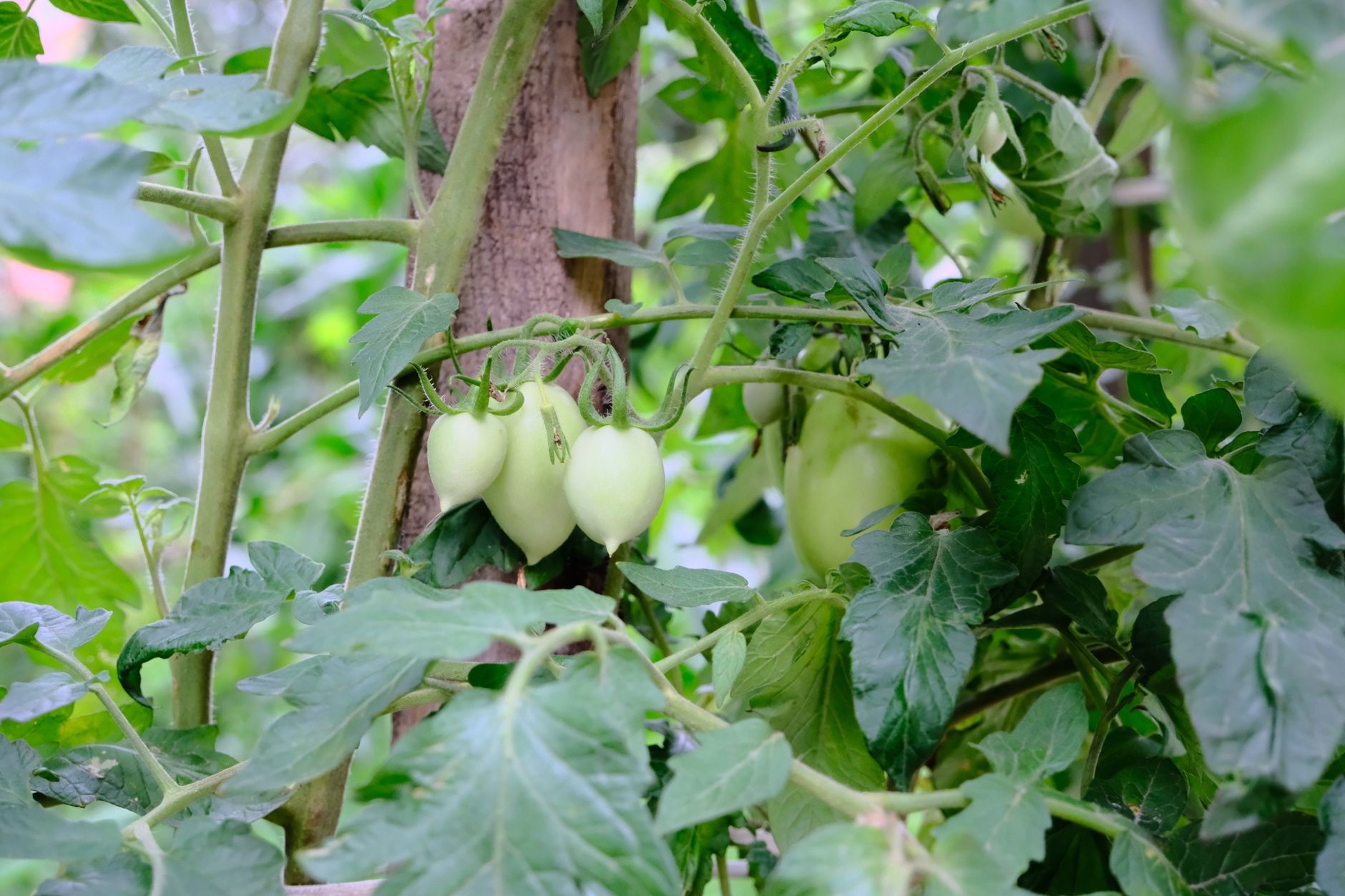
Deciding whether to prune your trellised melon vines can feel like a delicate balancing act. On one hand, you want to encourage vigorous growth and a bountiful harvest; on the other, an unchecked vine can quickly become an unruly tangle, hindering air circulation and quality fruit production. The key lies in understanding how to prune effectively without inadvertently sacrificing the very fruits you're trying to cultivate. This guide covers how to prune trellised melons in a practical way.
Understanding Melon Growth Habits: A Quick Comparison
Melons are generally vining plants, producing long main stems that extend significantly, often several feet. From these main stems, lateral or secondary vines emerge, and it's on these secondary vines that the majority of female flowers, and thus fruit, typically develop. Recognizing this growth pattern is fundamental to successful pruning.
Unlike some determinate plants that grow to a set size and produce all their fruit at once, melons are indeterminate, meaning they continue to grow and produce flowers throughout their season. This continuous growth habit is what makes strategic pruning so crucial for trellised systems. Managing this sprawl ensures that the plant's energy is directed towards developing high-quality fruit rather than excessive foliage.
Why Prune Trellised Melons? Which Option Fits Best
Pruning trellised melons offers several significant advantages, making it an essential practice for many gardeners. Firstly, it dramatically improves air circulation around the foliage, which is vital in preventing common fungal diseases like powdery mildew that thrive in dense, humid conditions. Better airflow means healthier plants and less reliance on chemical interventions.
Secondly, pruning helps direct the plant's energy more efficiently. Instead of supporting an overwhelming amount of vegetative growth, the plant can focus its resources on developing larger, sweeter fruits. This selective energy allocation often results in a higher quality harvest, even if the total number of fruits might be slightly reduced.
Another benefit is space management, especially crucial when growing melons vertically on a trellis. An unpruned melon vine can quickly engulf a large area, shading out other plants and making harvesting difficult. A well-pruned vine stays within its designated space, making your garden more organized and productive.
However, a practical tradeoff emerges here: pruning requires consistent attention throughout the growing season. It's not a one-and-done task but an ongoing commitment to monitoring vine growth and making timely cuts. For gardeners with limited time, this real-world constraint might mean opting for a less intensive pruning strategy or choosing melon varieties that are naturally more compact.
Step-by-Step Guide: How to Prune Trellised Melons Without Losing Fruit
The art of pruning trellised melons begins with understanding the difference between male and female flowers. Male flowers typically appear first, often in clusters, directly on the main vine or early lateral branches. Female flowers, which are fewer in number, are identifiable by the small, undeveloped fruit (ovary) visible at their base, located just behind the petals.
For trellised melons, the goal is often to encourage a manageable number of robust fruits per plant. Begin by training your main vine vertically up the trellis, securing it gently as it grows. Allow the main vine to develop several strong lateral branches, as these are where your female flowers will primarily form.
Once a female flower on a lateral vine has been successfully pollinated and a small fruit begins to swell, you can then prune that specific lateral vine. Count two leaves past the developing fruit on that lateral branch, and make your cut just after the second leaf. This ensures the developing melon has enough foliage to support its growth while preventing the vine from extending unnecessarily.
A common beginner mistake is to prune the main vine too aggressively or too early. Avoid 'topping' the main vine until it has reached the top of your trellis or your desired height, and has allowed sufficient lateral branches to form and set fruit. Prematurely cutting the main vine can drastically reduce your potential harvest, as it limits the plant's ability to produce more fruiting laterals.
Continuously monitor your plant for new lateral growth that isn't producing fruit or is growing in an undesirable direction. These can be pinched back to the main stem or to a few leaves to redirect the plant's energy. Remove any suckers or weak growth that appear from the base of the plant, as these will only drain resources.

Best Conditions for Optimal Melon Pruning
Timing is paramount when it comes to pruning melons. The ideal time to begin significant pruning is after the plant has established itself on the trellis and you observe the first female flowers developing and setting fruit. Consistent monitoring throughout the growing season, typically every week or two, will allow you to make timely cuts before the plant becomes overgrown.
Ensure you use clean, sharp pruning shears for all your cuts. Dull or dirty tools can bruise the plant tissue, making it susceptible to disease. Sterilize your shears between plants, especially if you suspect any disease issues in your garden, to prevent cross-contamination. This simple step can save your entire crop.
Consider the overall health of your plant when pruning. A melon plant under stress from drought, nutrient deficiency, or pest infestation may not respond well to heavy pruning. Address underlying issues first to ensure the plant has the vigor to recover and thrive after pruning. Healthy plants are always more resilient.
Pruning melons shares some principles with other vining crops, but differs significantly from woody plants. For instance, while you might prune for structure and fruit wood on blueberries, as detailed in How to prune blueberry bushes spring: Pruning Blueberries, melon pruning is more about managing vigorous, herbaceous growth for fruit production on current season's growth. Each plant has its unique needs.
When This Advice Changes & Common Mistakes
While the general principles of melon pruning remain consistent, certain factors can influence your approach. Smaller melon varieties, such as cantaloupes or smaller honeydews, might tolerate slightly more aggressive pruning than larger watermelons, simply because their fruit doesn't require as much leaf support. Always consider the specific needs of the variety you are growing.
Climate also plays a role. In regions with shorter growing seasons, you might choose to limit the number of fruits per plant even more strictly to ensure the existing melons have enough time to mature before cold weather arrives. Conversely, in longer seasons, you might allow for more fruiting laterals, provided the plant remains healthy and manageable.
A common mistake is confusing male and female flowers, leading to the accidental removal of potential fruit. Take your time to identify the small bulge at the base of female flowers before making any cuts. Another error is neglecting to prune at all, which leads to tangled vines, reduced airflow, and often smaller, less flavorful fruit due to the plant's energy being spread too thin.
Over-pruning is also a pitfall. While pruning is beneficial, removing too much foliage can reduce the plant's ability to photosynthesize, which is essential for fruit development and sweetness. Always aim for a balance, leaving sufficient leaves to support the ripening fruit and maintain overall plant health. Remember, leaves are the plant's energy factories.
Finally, ensure your trellising system is robust enough to support the weight of mature melons. Pruning helps manage vine growth, but the trellis itself must be strong to prevent collapse, especially for heavier varieties. A good support system is as crucial as proper pruning for successful vertical melon growing, much like careful planning is for Growing Corn in April: Soil Temperature, Block Planting, and Pollination Basics.
Final Thoughts
Pruning trellised melons is a rewarding practice that transforms an otherwise sprawling vine into a productive, manageable plant. By understanding the plant's growth habits, identifying male and female flowers, and making strategic cuts, you can significantly improve your harvest quality and quantity. It's a hands-on approach that connects you more deeply with your garden.
Embrace the learning curve, as each gardening season offers new insights. Observe how your specific melon varieties respond to pruning in your unique garden environment. With a little practice and consistent attention, you’ll soon be enjoying an abundance of sweet, perfectly ripened melons, all thanks to your careful fruit site management.
FAQ
How do I know if a melon flower is male or female?
Male melon flowers typically appear first, often in clusters, and have a simple stem connection to the vine. Female flowers are distinguished by a small, undeveloped fruit (a tiny bulge) visible at their base, directly behind the petals. This small bulge will swell into a full-sized melon if pollinated.
Can I prune my melon vines if they are not trellised?
While the primary benefits of pruning (airflow, space management) are amplified for trellised plants, ground-grown melons can also benefit from some selective pruning. Focus on removing yellowing leaves, diseased sections, or overly dense growth that prevents air circulation. However, avoid aggressive pruning, as ground-grown melons often rely on their sprawling foliage for fruit protection from sunscald.
What happens if I don't prune my trellised melons?
If trellised melons are left unpruned, they will continue to grow vigorously, often resulting in a dense, tangled mass of vines. This can lead to reduced air circulation, increased susceptibility to fungal diseases, and smaller, less flavorful fruits due to the plant's energy being spread too thin across excessive foliage and too many developing melons. Harvesting also becomes much more challenging.
When should I stop pruning my melon vines?
You can generally stop aggressive pruning once your desired number of fruits has set and begun to swell significantly. At this point, the plant needs its foliage to support fruit development and ripening. Continue to remove any yellowing, diseased, or dead leaves, but avoid cutting back healthy, productive lateral vines that are supporting developing fruit.
How many melons should I aim for per plant on a trellis?
The ideal number of melons per plant depends on the variety and your growing conditions. For smaller melons like cantaloupe, 2-4 fruits per plant is a good target. For larger varieties like watermelon, 1-2 fruits per plant might be more realistic to ensure optimal size and sweetness. Prioritize quality over quantity, especially in a trellised system.