
Quick Answer
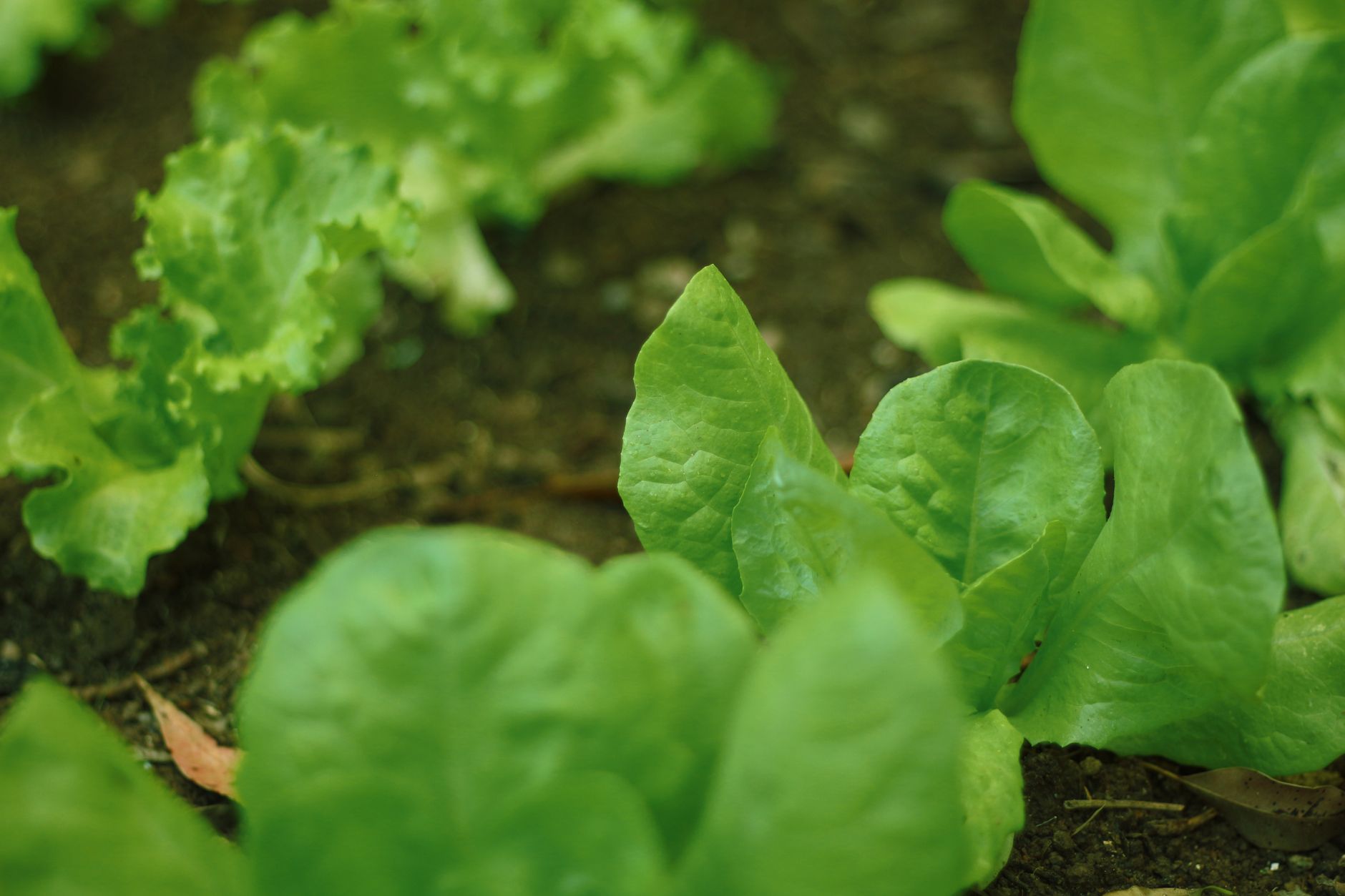
For a successful June sowing of fast baby greens in partial shade, focus on heat-tolerant varieties like loose-leaf lettuce (Black Seed Simpson, Parris Island Cos), arugula, spinach (New Zealand, Malabar), mustard greens, and Swiss chard. Prepare well-draining soil rich in organic matter, sow seeds shallowly and thinly, and maintain consistent moisture. Partial shade is crucial to prevent bolting and extend the harvest of these tender leaves during warmer summer months. This guide covers june sowing guide for baby greens in partial shade in a practical way.
Why Growing Baby Greens in June Matters
As summer truly settles in, many gardeners find their salad production slowing down. The intense sun and rising temperatures can cause classic spring greens to bolt rapidly, turning bitter and unusable. This is where a strategic approach to planting in partial shade becomes invaluable, allowing you to continue enjoying fresh, tender leaves.
Sowing baby greens in June specifically for partial shade conditions helps mitigate the common challenges of summer gardening. By choosing the right location and varieties, you can ensure a steady supply of delicious, nutritious leaves for your kitchen, even when the sun is at its strongest. It’s a smart way to maximize your garden’s output throughout the season.
These quick-growing crops offer a rapid turnaround, often ready for harvest in as little as 20-30 days. This means you can plant successive batches every couple of weeks, ensuring a continuous supply of fresh salad ingredients. It's an efficient use of garden space and time, especially for those with limited sunny areas.
Growing your own baby greens also provides an unparalleled freshness and flavor that store-bought options simply can't match. The tender texture and vibrant taste of just-harvested leaves elevate any meal, making the effort truly worthwhile. Plus, you control the growing conditions, ensuring organic and pesticide-free produce.
Best Conditions for Summer Baby Greens in Partial Shade
Understanding Partial Shade
Partial shade generally means an area that receives 3-6 hours of direct sunlight per day, ideally morning sun with afternoon shade. For baby greens in June, afternoon shade is particularly critical. This protects the delicate leaves from the scorching heat of the midday and late afternoon sun, which can cause wilting, scorching, and premature bolting.
Consider spots under taller plants, near fences, on the east side of your house, or under light shade cloth. The goal is to reduce the intensity of the sun during the hottest part of the day while still providing enough light for healthy growth. Filtering sunlight is often more beneficial than dense, deep shade.
Soil Preparation is Key
Baby greens thrive in rich, well-draining soil that retains moisture. Before sowing, amend your soil with a generous amount of compost or other organic matter. This improves soil structure, provides essential nutrients, and helps maintain consistent moisture levels, which is vital for tender leaf development.
A soil pH between 6.0 and 7.0 is generally ideal for most leafy greens. If you're unsure about your soil's composition, a simple soil test can provide valuable insights. Healthy soil is the foundation for robust, flavorful greens that can withstand summer conditions.
Watering Wisely
Consistent moisture is paramount for baby greens, especially in warmer weather. The soil should remain evenly moist, but not waterlogged. Water deeply in the morning, allowing the leaves to dry before nightfall to reduce the risk of fungal diseases.
Using mulch, such as straw or shredded leaves, around your plants can significantly help retain soil moisture, suppress weeds, and keep soil temperatures cooler. This reduces the need for frequent watering and provides a more stable environment for your growing greens.
Choosing the Right Varieties
Not all greens are created equal when it comes to heat tolerance. For June sowing, prioritize varieties known for their ability to withstand warmer temperatures and resist bolting. Look for terms like 'heat tolerant' or 'slow to bolt' on seed packets.
- Lettuce: Loose-leaf varieties like 'Black Seed Simpson', 'Parris Island Cos', 'Red Salad Bowl', and 'Buttercrunch' are excellent choices. They produce tender leaves quickly and can be harvested repeatedly.
- Arugula: While it can bolt in extreme heat, planting in partial shade can extend its season. Look for 'Slow Bolt' varieties.
- Spinach: True spinach struggles in heat, but alternatives like New Zealand Spinach and Malabar Spinach are fantastic summer substitutes. They are technically different species but offer similar culinary uses.
- Mustard Greens: Varieties like 'Mizuna' and 'Red Giant' offer a spicy kick and are relatively heat tolerant, especially with afternoon shade.
- Swiss Chard: A robust leafy green that tolerates a wide range of conditions, including partial shade and heat. 'Bright Lights' offers colorful stems and excellent flavor.
- Asian Greens: Tatsoi and Pac Choi can also be grown in partial shade for quick harvests, though they might bolt faster than chard or some lettuces.

Step-by-Step June Sowing Guide for Baby Greens
1. Site Selection and Preparation
Identify areas in your garden that receive 3-6 hours of morning sun and afternoon shade. This could be an open bed, raised bed, or containers. Containers are an excellent option for partial shade as they can be moved if needed to optimize light exposure throughout the day or season.
Clear the chosen area of any weeds and debris. Loosen the soil to a depth of 6-8 inches and incorporate 1-2 inches of well-rotted compost. Rake the surface smooth, removing any large clumps or rocks. A finely prepared seedbed ensures good seed-to-soil contact for optimal germination.
2. Seed Selection and Sowing
Choose fresh seeds from reliable suppliers. Older seeds may have reduced germination rates. For a continuous supply, consider planting small batches every 10-14 days. This staggered planting approach, known as successive sowing, prevents an overwhelming harvest all at once and ensures fresh greens over a longer period.
Sow seeds thinly directly into the prepared soil. For baby greens, you don't need wide spacing; broadcast them lightly over the bed or sow in shallow rows about 1/4 to 1/2 inch deep. A common beginner mistake is sowing seeds too thickly, which leads to overcrowded plants competing for resources and stunted growth. A good rule of thumb is to imagine the final size of the mature plant and give it a bit more space than that for baby greens.
Gently cover the seeds with a thin layer of fine soil or compost. Pat the soil lightly to ensure good seed-to-soil contact. This helps the seeds absorb moisture evenly and germinate successfully. Avoid burying them too deeply, as this can hinder germination.
3. Watering and Thinning
Immediately after sowing, water the area gently but thoroughly. Use a fine spray nozzle to avoid disturbing the tiny seeds. Keep the soil consistently moist until germination occurs, which can be anywhere from 3-10 days depending on the variety and temperature.
Once seedlings emerge and develop their first true leaves, thin them if they are too crowded. For baby greens, you can thin to about 1-2 inches apart, or even just harvest the thinnings to eat. This process ensures that the remaining plants have enough room to develop healthy leaves without competing excessively for light and nutrients.
4. Ongoing Care
Continue to water regularly, especially during dry spells. Remember that partial shade helps reduce water evaporation, but summer heat can still dry out soil quickly. Monitor the soil moisture daily, especially in containers, which dry out faster than in-ground beds.
Weed carefully around your young greens to prevent competition for nutrients and water. Mulching can help suppress weeds and maintain soil moisture, as mentioned earlier. A light feeding with a balanced liquid organic fertilizer can also boost growth, but avoid over-fertilizing, which can lead to lush but less flavorful leaves.
Keep an eye out for common pests like aphids, slugs, and leaf miners. A strong spray of water can dislodge aphids, while hand-picking slugs in the early morning or evening is effective. For persistent issues, consider organic pest control methods like neem oil or insecticidal soap. Healthy plants are often more resistant to pests and diseases.
5. Harvesting Your Quick Harvest Greens
Baby greens are typically ready for harvest when their leaves are 3-6 inches tall, usually within 20-40 days of sowing. The beauty of these crops is that you can harvest them using the 'cut and come again' method.
Using clean scissors or a sharp knife, snip the outer leaves about an inch above the soil line, leaving the central growing point intact. This allows the plant to continue producing new leaves, providing multiple harvests from a single planting. This practical tradeoff means you get smaller, more tender leaves frequently, rather than one large, full-sized plant. For example, a single lettuce plant harvested as baby greens will yield less total mass than if allowed to grow to full size, but it will provide multiple, earlier harvests suitable for salads.
Regular harvesting encourages more growth and prevents the plants from bolting. If a plant does start to bolt (send up a flower stalk), harvest all remaining usable leaves immediately, as they will soon turn bitter. Then, remove the plant and prepare the space for another succession planting.
For more insights on extending your harvest, you might find our guide on Best Early Tomato Varieties for Short Seasons: Faster Harvests interesting, as succession planting applies to many crops.
Common Mistakes and Troubleshooting
Overwatering or Underwatering
Mistake: Inconsistent watering, either too much or too little, is a common issue. Overwatering can lead to root rot and fungal diseases, while underwatering causes wilting, stunted growth, and encourages bolting.
Troubleshooting: Feel the soil regularly. It should be moist like a wrung-out sponge. If it feels dry an inch or two down, it's time to water. Ensure good drainage in your beds or containers. Mulching helps regulate soil moisture. A real-world constraint here is that different soil types drain differently; sandy soils require more frequent watering than clay soils, even in partial shade.
Not Enough Partial Shade
Mistake: Assuming 'partial shade' means any shade. Too much direct, hot afternoon sun is detrimental, even for heat-tolerant varieties.
Troubleshooting: Observe your chosen spot throughout the day. If plants are wilting significantly in the afternoon, they're getting too much sun. Consider adding temporary shade cloth or relocating container plants. Moving a container just a few feet can make a huge difference.
Pests and Diseases
Mistake: Ignoring early signs of pest infestations or fungal diseases.
Troubleshooting: Regular inspection of your plants is crucial. Address issues promptly with organic solutions. For slugs, check under leaves and mulch in the evening. For aphids, a strong blast of water or insecticidal soap can be effective. Ensure good air circulation to prevent fungal problems.
Bolting
Mistake: Plants sending up flower stalks and turning bitter prematurely.
Troubleshooting: Bolting is often triggered by heat stress, inconsistent watering, or reaching maturity. Ensure adequate partial shade, consistent moisture, and harvest regularly using the cut-and-come-again method. Plant heat-tolerant varieties. If a plant bolts, harvest what you can and replant.
FAQ
Can I grow any type of lettuce as baby greens in June?
While many types of lettuce can be grown as baby greens, for June sowing in partial shade, it's best to stick with loose-leaf and romaine varieties known for their heat tolerance. Butterhead and crisphead lettuces tend to bolt much faster in warm conditions, even with some shade, making them less ideal for summer baby green production.
How often should I fertilize my baby greens?
Baby greens are fast growers and benefit from nutrient-rich soil. If your soil was well-amended with compost at planting, additional fertilization might not be necessary for the first harvest. However, for successive harvests from the same plant, or if your soil is poor, a light feeding with a balanced liquid organic fertilizer every 2-3 weeks can be beneficial. Avoid excessive nitrogen, which can lead to lush but weak growth.
What's the difference between New Zealand Spinach and regular spinach?
New Zealand Spinach (Tetragonia tetragonioides) is not a true spinach (Spinacia oleracea) but is a fantastic heat-tolerant alternative for summer. It thrives in warm weather and partial shade, producing succulent, triangular leaves that taste similar to regular spinach but without the tendency to bolt in heat. Regular spinach is a cool-season crop that quickly bolts and turns bitter once temperatures rise.
My baby greens are wilting even with regular watering. What could be wrong?
Wilting can indicate either too much or too little water, or too much sun. First, check your soil moisture. If it's soggy, you might be overwatering, leading to root rot. If it's dry, increase watering frequency. If moisture is consistent, the problem is likely too much direct sun, especially hot afternoon sun. Ensure they are truly in partial shade, or consider adding temporary shade cloth during the hottest part of the day. For other seasonal considerations, you might find our Autumn Peas in Australia: Sowing, Supports & Harvests article helpful for understanding regional planting times.
Final Thoughts
Growing fast baby greens in partial shade during June is a rewarding way to extend your fresh salad season and make the most of your garden space. By selecting the right varieties, preparing your soil thoughtfully, and providing consistent care, you can enjoy tender, flavorful leaves throughout the summer. Don't let the summer heat deter you from enjoying homegrown produce; with a little planning, your salad bowl can remain full and vibrant.