
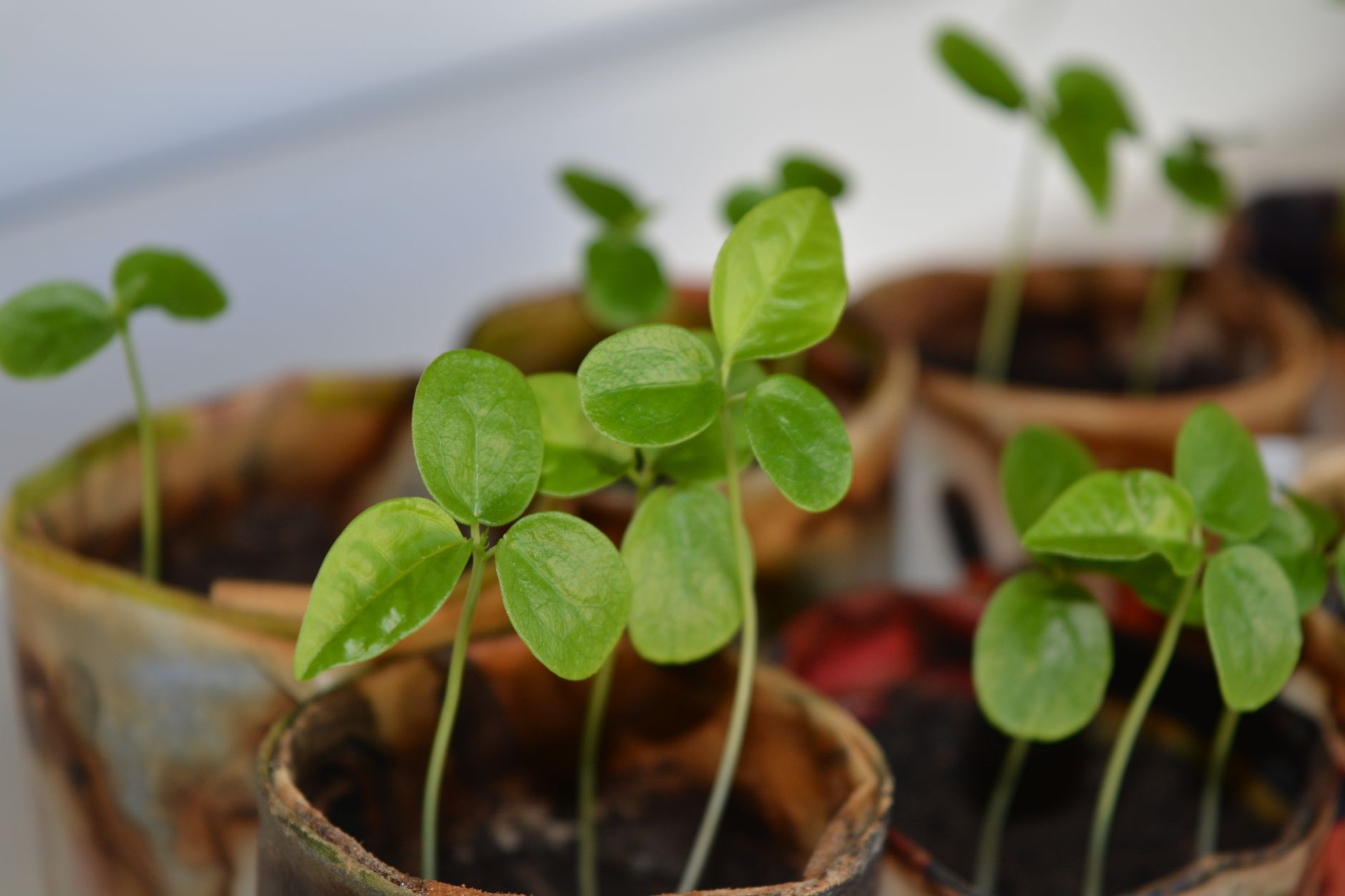
Gardening in regions with short but intensely hot summers presents a unique challenge, especially for heat-loving plants like yardlong beans. While these vigorous climbers thrive in warmth, their need for a prolonged hot season often conflicts with a brief growing window. The key isn't just to provide heat, but to maximize every precious day of summer from the moment the soil warms. This guide covers how to start yardlong beans in hot summers in a practical way.
This often means making a critical tradeoff: the simplicity of direct sowing versus the time-saving advantage of starting seeds indoors. For gardeners in these specific climates, understanding how to jumpstart your yardlong beans is paramount to achieving a bountiful harvest before the season unexpectedly tapers off.
The Allure of Yardlong Beans: A Heat-Lover's Delight
Yardlong beans, also known as asparagus beans or snake beans, are a fantastic addition to any summer garden, particularly where temperatures soar. Unlike their common bush bean cousins, these vining legumes truly hit their stride when the mercury rises, producing incredibly long, slender pods that can reach up to two feet in length. Their vigorous growth and continuous production make them highly rewarding for the home gardener.
Beyond their impressive size, yardlong beans offer a slightly different texture and flavor profile than traditional green beans, often described as firmer and with a subtle nutty taste. They are excellent in stir-fries, steamed, or added to various Asian-inspired dishes, providing a unique culinary experience from your own backyard.
Best Conditions for Optimal Growth
To get the most out of your yardlong beans, understanding their ideal environment is crucial. They are quintessential warm-season crops, demanding consistent heat both in the air and the soil. Aim for daytime temperatures consistently above 70°F (21°C) and nighttime temperatures not dipping below 60°F (15°C) for sustained growth and flowering and ensuring an abundant harvest.
The soil plays an equally vital role in their success. Yardlong beans prefer well-draining, fertile soil rich in organic matter. A slightly acidic to neutral pH (6.0-7.0) is generally ideal for robust development. Incorporating compost or well-rotted manure before planting will provide the necessary nutrients and improve soil structure, ensuring a strong start for these hungry plants.
Full sun, meaning at least 6-8 hours of direct sunlight daily, is non-negotiable for yardlong beans. They are vigorous climbers and will quickly stretch towards the sun, producing abundant foliage and flowers. Adequate sunlight is essential for strong pod set and overall plant health, especially in those short summer windows where every ray counts.
Quick Comparison: Direct Sowing vs. Transplanting for Short Summers
When facing a short summer, the decision between direct sowing seeds into the garden and starting them indoors for transplanting becomes paramount. Each method has its distinct advantages and a practical tradeoff that gardeners must weigh. Direct sowing is often simpler and avoids the shock of transplanting, which can set plants back, but it means waiting for ideal outdoor soil temperatures.
However, waiting for naturally warm soil can sacrifice valuable early season growth, which is a significant real-world constraint in short summer regions. Conversely, starting yardlong bean seeds indoors allows you to get a jump on the season, giving your plants a critical head start before the brief summer truly begins. This strategy is particularly beneficial where the warm season is fleeting yet intense.
Which Option Fits Best for Your Short, Hot Summer?
For regions with short but hot summers, transplanting often emerges as the superior strategy. By starting seeds indoors 3-4 weeks before your last expected frost date, you can ensure robust seedlings are ready to go into the ground as soon as soil temperatures consistently reach 65°F (18°C) or higher. This significantly extends the effective growing season, allowing for more time for flowering and pod production.
If your summer is short but very reliably hot from an early point, and you have excellent soil preparation, direct sowing can still be successful. The beginner mistake here is often planting too early when the soil is still cool, leading to poor germination or stunted growth. A small comparison: direct sowing is like letting nature set the pace, while transplanting is actively pushing the starting line forward to maximize the short window. Always prioritize soil temperature over calendar dates for these heat-lovers.
Step-by-Step Guide to Starting Yardlong Beans Successfully
Method 1: Direct Sowing
Direct sowing is straightforward once the conditions are right. First, prepare your garden bed by loosening the soil to a depth of at least 6-8 inches and incorporating plenty of compost. This creates a rich, airy environment for robust root development and provides essential nutrients for your plants from the outset.
Ensure the soil is consistently warm; using a soil thermometer can help you confirm temperatures are above 65°F (18°C) before planting. Plant seeds about 1 inch deep and 3-6 inches apart along a trellis or support structure. Yardlong beans are vigorous climbers and absolutely require sturdy support from day one, so have your system ready.
Once germinated, thin seedlings to 6-8 inches apart, allowing ample space for air circulation and growth. Water thoroughly after planting, and keep the soil consistently moist but not waterlogged until germination, which typically occurs within 7-14 days depending on soil temperature and seed viability.
Method 2: Starting Indoors for Transplanting
To gain those crucial weeks, start your yardlong bean seeds indoors 3-4 weeks before your anticipated outdoor planting date. Use individual peat pots or seed-starting trays with cells at least 2-3 inches wide and deep, as beans dislike root disturbance when being moved. Plant seeds 1 inch deep in a sterile, well-draining seed-starting mix.
Maintain a consistent soil temperature of 75-85°F (24-29°C) for optimal germination; a heating mat can be very beneficial here to ensure quick and even sprouting. Once seedlings emerge, provide strong light from a grow light or a very sunny south-facing window to prevent legginess and encourage sturdy growth. Keep the soil consistently moist but avoid overwatering.
Hardening Off Your Seedlings
Before transplanting outdoors, harden off your seedlings over 7-10 days. This process gradually acclimates them to outdoor conditions like direct sunlight, wind, and fluctuating temperatures. Start by placing them in a sheltered outdoor spot for a few hours each day, gradually increasing their exposure until they can spend full days and nights outside.
This crucial step minimizes transplant shock, which can otherwise set your plants back significantly. When transplanting, handle the seedlings gently to avoid disturbing the roots. Dig a hole slightly larger than the root ball, place the seedling, and backfill with soil, gently firming around the base.
Water immediately and thoroughly to help settle the soil around the roots and reduce stress. Ensure your trellis or support system is already in place before planting, as adding it later can damage delicate root systems.
Common Mistakes and How to Avoid Them
One of the most frequent beginner mistakes with yardlong beans is planting them too early in cool soil. Unlike peas or fava beans, yardlong beans are extremely sensitive to cold, and planting into chilly soil can lead to poor germination, stunted growth, or even seed rot. Always wait until both air and soil temperatures are consistently warm, even if it means waiting a bit longer than you'd prefer.
Another common pitfall is inadequate support. These beans grow quickly and can reach impressive heights, often 8-10 feet or more, demanding robust structures. Without a sturdy trellis, fence, or other climbing structure, the plants will sprawl, making harvesting difficult and increasing susceptibility to diseases due to poor air circulation. Install your support at planting time to avoid damaging delicate roots later.
Overwatering, especially in cooler conditions, can also be detrimental, leading to root rot. While yardlong beans appreciate consistent moisture, they do not like soggy feet. Ensure good drainage and water deeply when the top inch of soil feels dry, allowing the soil to dry out slightly between waterings. Conversely, underwatering during hot, dry spells can stress the plants and significantly reduce pod production.

When This Advice Changes: Adapting to Your Specific Climate
While this guide focuses on short but hot summers, it's important to consider how the advice might shift based on your specific climate. If your region experiences a very long, consistently hot summer, direct sowing might be perfectly adequate, as there's less pressure to gain an early start. You still need warm soil, but the overall growing window is much more forgiving, allowing for multiple succession plantings.
Conversely, if your summer is short and also tends to be cooler, yardlong beans might not be the best choice without significant season extension techniques like cloches or hoop houses. They truly need consistent heat to thrive and produce abundantly. In such cases, focusing on early-maturing varieties of other warm-season crops might yield better results. Understanding your specific microclimate is key to successful gardening and choosing the right plants.
Support and Ongoing Care for a Bountiful Harvest
Once your yardlong beans are established, consistent care will ensure a productive season. As mentioned, sturdy support is non-negotiable for these vigorous climbers. Guide young vines to their trellis initially, and they will quickly take hold with their twining tendrils, ascending rapidly. For optimal growth, consider planting them near other heat-loving plants that also require support, like corn, which also thrives in warm soil temperatures and can act as a living trellis if planted appropriately.
Watering should be consistent, especially during flowering and pod production, as drought stress can lead to blossom drop and reduced yields. Aim for deep watering that encourages strong root development, rather than frequent shallow watering. A layer of organic mulch around the base of the plants will help retain soil moisture, suppress weeds, and regulate soil temperature, which is especially beneficial in hot climates.
Yardlong beans are generally light feeders once established, especially if grown in rich, compost-amended soil. However, a balanced organic fertilizer or a side-dressing of compost once pods begin to form can boost production and support continuous fruiting. Avoid high-nitrogen fertilizers, which can encourage leafy growth at the expense of bean production.
Pest and disease issues are generally minimal for yardlong beans, making them relatively low-maintenance. Keep an eye out for common bean pests like aphids or bean beetles, and address them promptly with organic solutions like insecticidal soap or hand-picking. Good air circulation, achieved through proper spacing and trellising, helps prevent fungal diseases that thrive in damp, stagnant conditions.
Harvesting is the most rewarding part of growing yardlong beans. Begin harvesting pods when they are slender and tender, typically 12-20 inches long, about 60-80 days after planting. The more you pick, the more the plants will produce, ensuring a continuous supply throughout your hot summer. Regular harvesting prevents pods from becoming tough and seedy, which signals the plant to stop producing new flowers and pods.
FAQ
How long do yardlong beans take to mature?
Yardlong beans typically take about 60 to 80 days from planting to first harvest. This relatively quick maturity, combined with continuous production, makes them an excellent choice for short summer regions, provided they get a strong start in warm conditions and are regularly picked.
Can I grow yardlong beans in containers?
Yes, yardlong beans can be successfully grown in containers, provided the container is large enough (at least 5-gallon capacity per plant) and has excellent drainage. They will still require a sturdy trellis or support system within the container, and consistent watering and feeding will be crucial for container-grown plants due to faster nutrient depletion.
What kind of soil do yardlong beans prefer?
Yardlong beans thrive in well-draining, fertile soil rich in organic matter. A soil pH between 6.0 and 7.0 is ideal for optimal nutrient uptake. Amending your soil with compost or well-rotted manure before planting will significantly improve their growth and yield by enhancing soil structure and fertility.
Do yardlong beans need a lot of water?
Yes, yardlong beans require consistent moisture, especially during flowering and pod development, as water stress can reduce yields. Deep watering when the top inch of soil feels dry is recommended. However, ensure the soil is well-draining to prevent waterlogging, which can lead to root rot and other issues.
How do I harvest yardlong beans?
Harvest yardlong beans when they are young, tender, and about 12-20 inches long, before the seeds inside begin to swell. Snap or cut them off the vine where they attach, being careful not to damage the plant. Regular harvesting encourages the plant to produce more pods, ensuring a continuous supply throughout the season.
Final Thoughts
Growing yardlong beans in regions with short but hot summers is not only possible but incredibly rewarding. By understanding their inherent need for warmth and employing smart strategies like early indoor starts or careful direct sowing, you can transform a brief growing season into a period of abundant harvests. Embrace the heat, provide sturdy support, and enjoy the unique flavor and impressive yield of these remarkable beans. Happy gardening!