
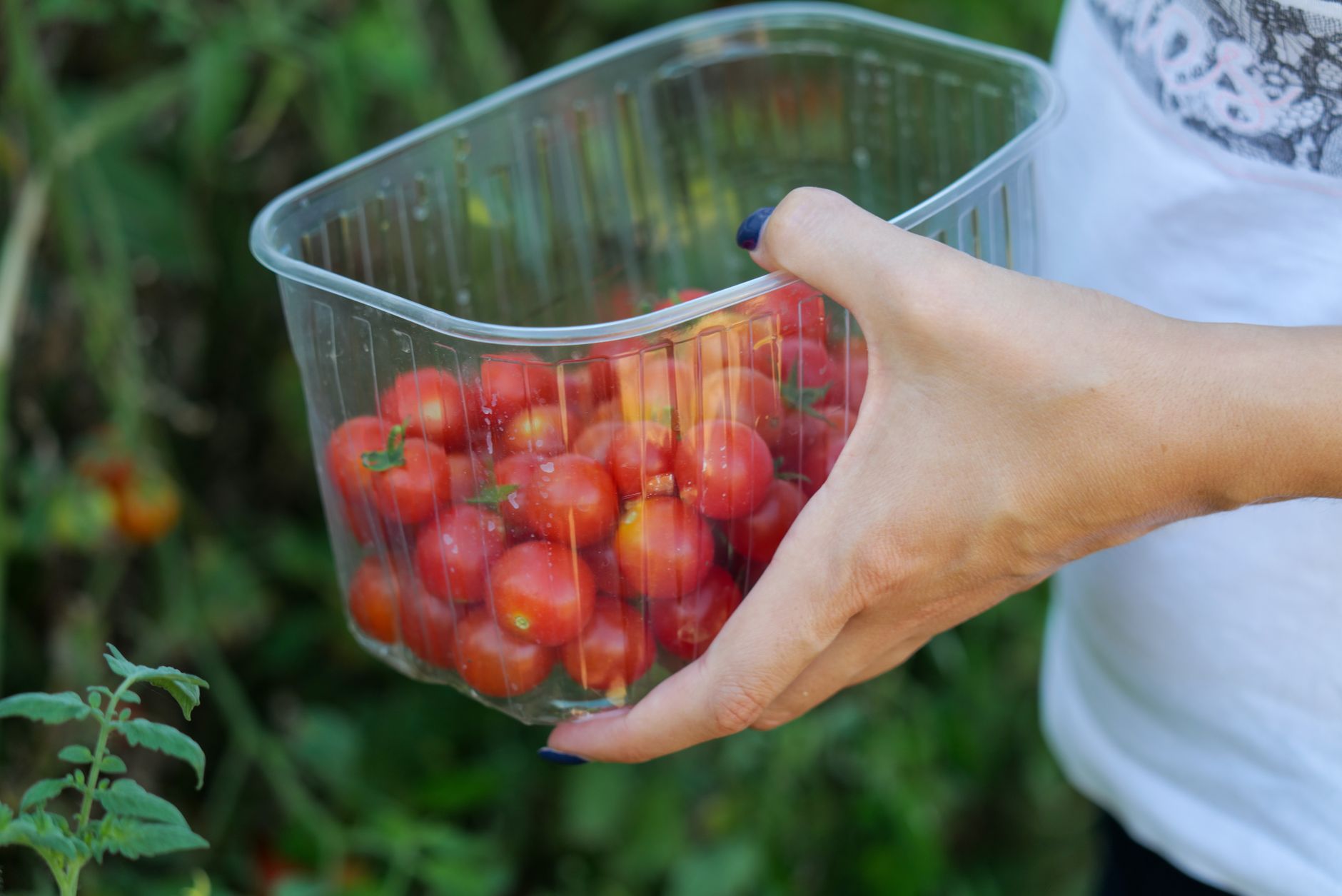
When it comes to nurturing a thriving container vegetable garden on a sun-drenched patio, finding the right balance of light is often the difference between a bountiful harvest and stressed, scorched plants. While some vegetables crave full sun, the intense heat of summer, especially in containers, can quickly turn a sun-lover into a sun-scorched victim. This is where shade cloth becomes an invaluable tool, offering a practical tradeoff between maximizing light exposure and protecting delicate foliage and fruit from oppressive heat. This guide covers best shade cloth percentage for container vegetables in a practical way.
Choosing the best shade cloth percentage for container vegetables isn't a one-size-fits-all decision; it depends heavily on your local climate, the specific plants you're growing, and the intensity of your summer sun. Too little shade, and your plants will still suffer from heat stress. Too much, and you risk hindering photosynthesis and reducing yields. Understanding this delicate equilibrium is key to successful patio vegetable heat protection.
Understanding the Sun's Impact on Container Vegetables
Sunlight is essential for photosynthesis, the process by which plants convert light energy into chemical energy for growth. However, excessive heat, often accompanying intense sunlight, can be detrimental. High temperatures can cause plants to transpire excessively, losing water faster than their roots can absorb it, leading to wilting, stunted growth, and even death.
Container vegetables are particularly vulnerable to heat stress for several reasons. Their root systems are confined to a pot, which can heat up much faster than the ground, especially dark-colored containers. This elevated soil temperature can damage roots and further accelerate water loss. Furthermore, the limited soil volume means less moisture retention, making consistent watering crucial during hot spells.
Symptoms of sun and heat stress include yellowing or browning leaves, wilting despite adequate watering, blossom drop, and fruit scald. Peppers, tomatoes, and leafy greens are common victims. Providing appropriate shade can mitigate these issues, allowing plants to continue productive growth even when temperatures soar.
Quick Comparison: Shade Cloth Percentages Explained
Shade cloth is typically rated by the percentage of sunlight it blocks. This percentage is crucial for selecting the right level of protection. Here's a small comparison of common percentages and their general uses:
- 30% Shade Cloth: This offers light protection, ideal for slightly mitigating intense afternoon sun without significantly reducing overall light. It's often used in regions with moderate summers or for plants that prefer full sun but need a slight buffer during peak heat.
- 40-50% Shade Cloth: This is a versatile range, providing moderate shade that can be beneficial for a wide variety of heat-sensitive vegetables. It strikes a good balance for many patio container gardens in hot climates.
- 60% Shade Cloth: This provides substantial shade, suitable for very hot climates or for extremely sensitive plants. While effective against scorching, it can reduce light levels too much for some sun-loving vegetables, potentially impacting yield.
- 70% Shade Cloth and Higher: Generally reserved for shade-loving plants, nurseries, or propagation areas. It's usually too much for most fruiting vegetables, as it can significantly reduce photosynthesis and fruit production.
For most patio container vegetable gardeners dealing with summer heat, the sweet spot often lies between 30% and 50% shade cloth. The goal is to provide relief from the most intense sun and heat, typically from late morning to late afternoon, while still allowing ample light for robust growth.
Choosing the Right Shade Cloth Percentage for Your Patio
Selecting the best shade cloth percentage for container vegetables requires considering several factors unique to your situation. A practical tradeoff here is balancing maximum light exposure for fruit development with adequate protection from heat stress.
Climate and Sun Intensity
Gardeners in regions with extremely hot and dry summers, where temperatures consistently exceed 90°F (32°C), will likely need a higher shade percentage (40-50%). In contrast, those in areas with milder summers might find 30% shade sufficient, or even unnecessary for some plants. Observe your plants; wilting in the afternoon sun is a clear indicator that more protection is needed.
Type of Vegetables Grown
Different vegetables have varying heat tolerances. Tomatoes, peppers, and eggplants, while sun-lovers, can suffer from blossom drop and sunscald in extreme heat. For these, a 30-40% shade cloth is often ideal for patio vegetable heat protection. Leafy greens like lettuce, spinach, and Swiss chard, which tend to bolt in heat, benefit greatly from 40-50% shade. Herbs like basil can also be prone to scorching and will appreciate some relief.
For a deeper dive into growing in containers, you might find this article on Container Vegetable Gardening: Best Pot Sizes for Vegetables helpful.
Patio Orientation and Reflectivity
A south-facing patio with reflective surfaces (like light-colored concrete or walls) will intensify sun exposure, necessitating higher shade percentages. A north-facing patio, or one shaded by buildings or trees for part of the day, might require less. This is a real-world constraint that often dictates the actual need for shade.
Small Comparison: Specific Vegetable Needs
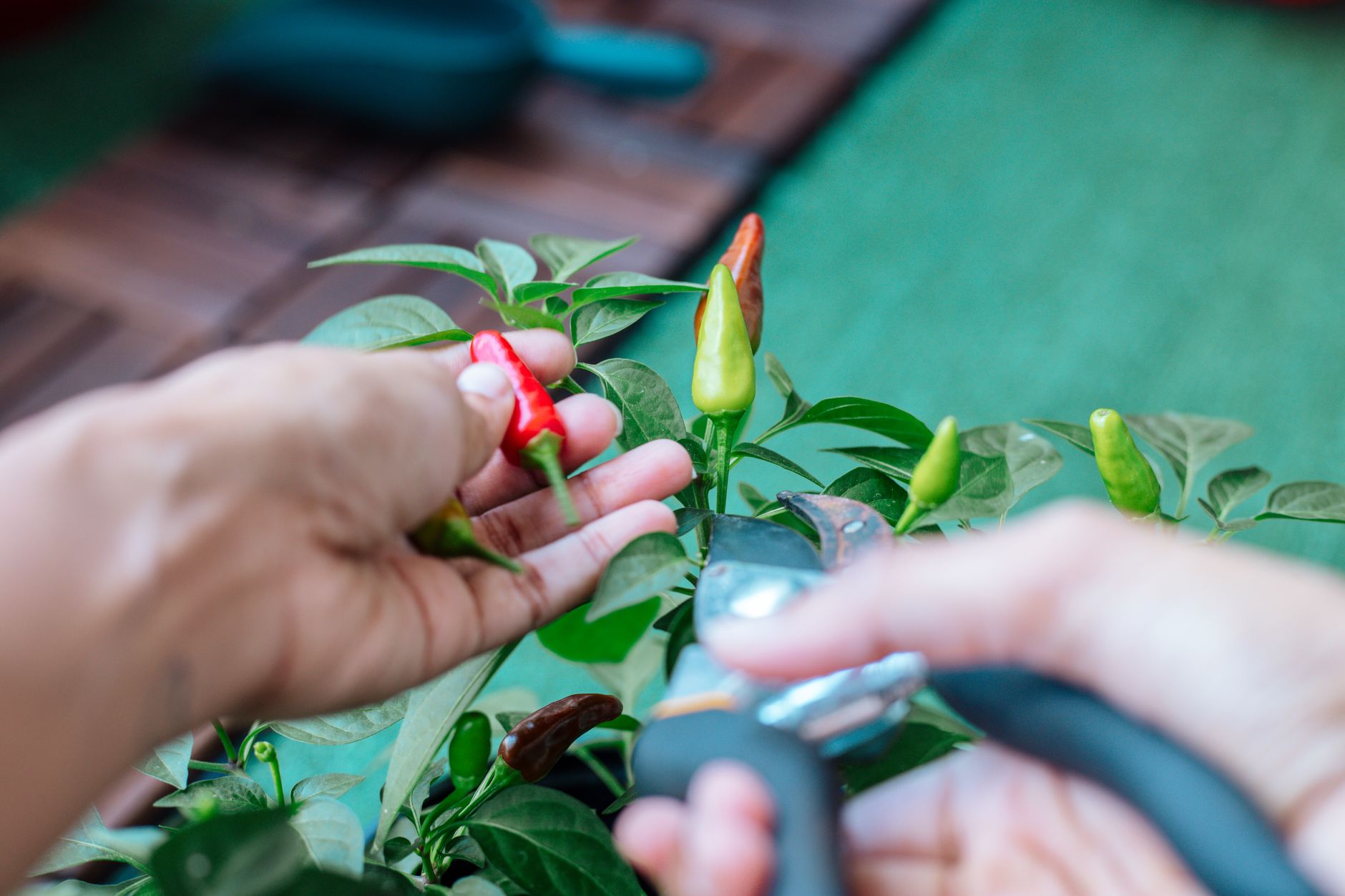
- Peppers (especially bell peppers): Often thrive with 30-40% shade cloth. This helps prevent sunscald on fruits and reduces blossom drop, ensuring better yields for your summer container garden.
- Tomatoes: Depending on the variety and local heat, 30-40% shade can prevent sunscald on ripening fruits and reduce overall plant stress.
- Lettuce and Spinach: These cool-season crops bolt quickly in heat. 40-50% shade cloth can extend their growing season significantly.
- Cucumbers and Squash: While they love sun, their large leaves can scorch. 30% shade can be beneficial during peak afternoon heat.
Step-by-Step Guide to Installing Shade Cloth
Effective installation is just as important as choosing the right shade percentage. A well-installed shade cloth provides consistent protection and can withstand light winds.
- Assess Your Space: Determine the area you need to cover. Measure the length, width, and desired height of your shade structure.
- Choose a Support Structure: This could be a simple PVC pipe frame, bamboo stakes, an existing pergola, or even a temporary setup using poles and ropes. Ensure it's sturdy enough to support the cloth and resist wind.
- Cut the Shade Cloth: Purchase shade cloth slightly larger than your frame to allow for tension and securing points. Many shade cloths come with grommets, but you can also buy clips or make your own attachment points.
- Attach the Cloth: Drape the shade cloth over your chosen structure. Secure it tightly using zip ties, bungee cords, or specialty shade cloth clips. The goal is to minimize flapping, which can damage the cloth and the plants.
- Positioning for Maximum Benefit: Typically, you'll want to shade your plants during the hottest part of the day, usually from late morning to late afternoon. Consider orienting the shade cloth to block the west-facing sun if that's where your patio receives the most intense heat.
- Adjust as Needed: Observe your plants. If they still show signs of stress, you might need to increase the shaded area or consider a slightly higher percentage. If growth seems stunted, perhaps the shade is too dense.
Common Mistakes to Avoid When Using Shade Cloth
Even with the best intentions, gardeners can make mistakes that diminish the effectiveness of shade cloth. A common beginner mistake is using too high a percentage of shade cloth, inadvertently starving plants of necessary light.
- Using Too Much Shade: While protection is good, excessive shade can reduce photosynthesis, leading to leggy plants, poor flowering, and diminished fruit production. Always err on the side of less shade initially and increase if needed.
- Insufficient Airflow: Ensure your shade structure allows for good air circulation. Trapping hot, stagnant air under the cloth can negate its benefits and even promote fungal diseases. Leave gaps or ensure the structure is open-sided.
- Not Securing Properly: A poorly secured shade cloth can flap in the wind, causing damage to itself and potentially to your plants. It can also blow away entirely during a storm.
- Shading at the Wrong Time: Most plants need protection during the peak heat of the day. Shading them all day, especially in the morning when the sun is less intense, can be counterproductive. Consider removable shade or orienting it to block only afternoon sun.
- Ignoring Other Stressors: Shade cloth is a tool, not a magic bullet. Continue to monitor watering, especially for container plants which dry out quickly. Ensure proper fertilization and pest management.
When This Advice Changes: Adapting to Specific Plants and Climates
The advice on shade cloth percentages is a general guideline, and specific situations may warrant adjustments. For example, if you're growing exotic tropical fruits that naturally prefer dappled light, you might lean towards a 50-60% shade cloth even in milder climates.
Conversely, in very mild summer climates, or if your patio receives significant natural shade for part of the day, you might not need shade cloth at all. Always observe your specific plants and microclimate. A good practice is to start with a lower percentage (e.g., 30%) and increase if plants show signs of stress. Remember, the goal is to protect, not to deprive.
For those considering a more permanent garden setup, understanding the needs of different vegetables in various environments is crucial. Check out our guide on Best Vegetables for Raised Beds Beginners: Easy First Garden for more insights.
Final Thoughts on Protecting Your Container Garden
Mastering the use of shade cloth for your patio container vegetables is an invaluable skill that can significantly boost your summer harvests. By carefully considering your climate, plant types, and patio conditions, you can select the best shade cloth percentage to provide optimal patio vegetable heat protection. This simple addition can transform a struggling summer garden into a thriving oasis, allowing your plants to flourish even under the most challenging sun.
Remember, gardening is an ongoing learning process. Don't be afraid to experiment and adjust your shade cloth setup based on your observations. Your plants will tell you what they need, and with a little attention, you can provide the perfect environment for them to thrive.
FAQ
What percentage of shade cloth is best for peppers?
For most pepper varieties, especially bell peppers and other heat-sensitive types, a 30% to 40% shade cloth is generally ideal. This percentage offers sufficient protection from sunscald and extreme heat without significantly reducing the light needed for good fruit production. In extremely hot climates, 40% might be preferred.
Can shade cloth make plants too cold?
Shade cloth primarily reduces light intensity and heat. While it can slightly lower ambient temperatures, its main function is to block solar radiation. It's unlikely to make plants too cold during typical summer conditions when heat protection is needed. However, using very high percentages (e.g., 70%+) might keep temperatures too low for sun-loving plants to thrive, impacting their growth.
How far above plants should shade cloth be?
Ideally, shade cloth should be suspended at least 1-2 feet above the tallest plants to allow for good air circulation underneath. If it's too close, hot air can become trapped, reducing its effectiveness. For larger structures, 3-5 feet above the plants is even better, creating a cooler microclimate.
Is black or green shade cloth better?
Both black and green shade cloths are effective. Black shade cloth is typically made of high-density polyethylene and absorbs more light, converting it to heat which then dissipates. Green shade cloth tends to reflect more light and can make the shaded area appear brighter. The color choice often comes down to aesthetic preference or slight variations in material, with the percentage being the most critical factor for performance.