
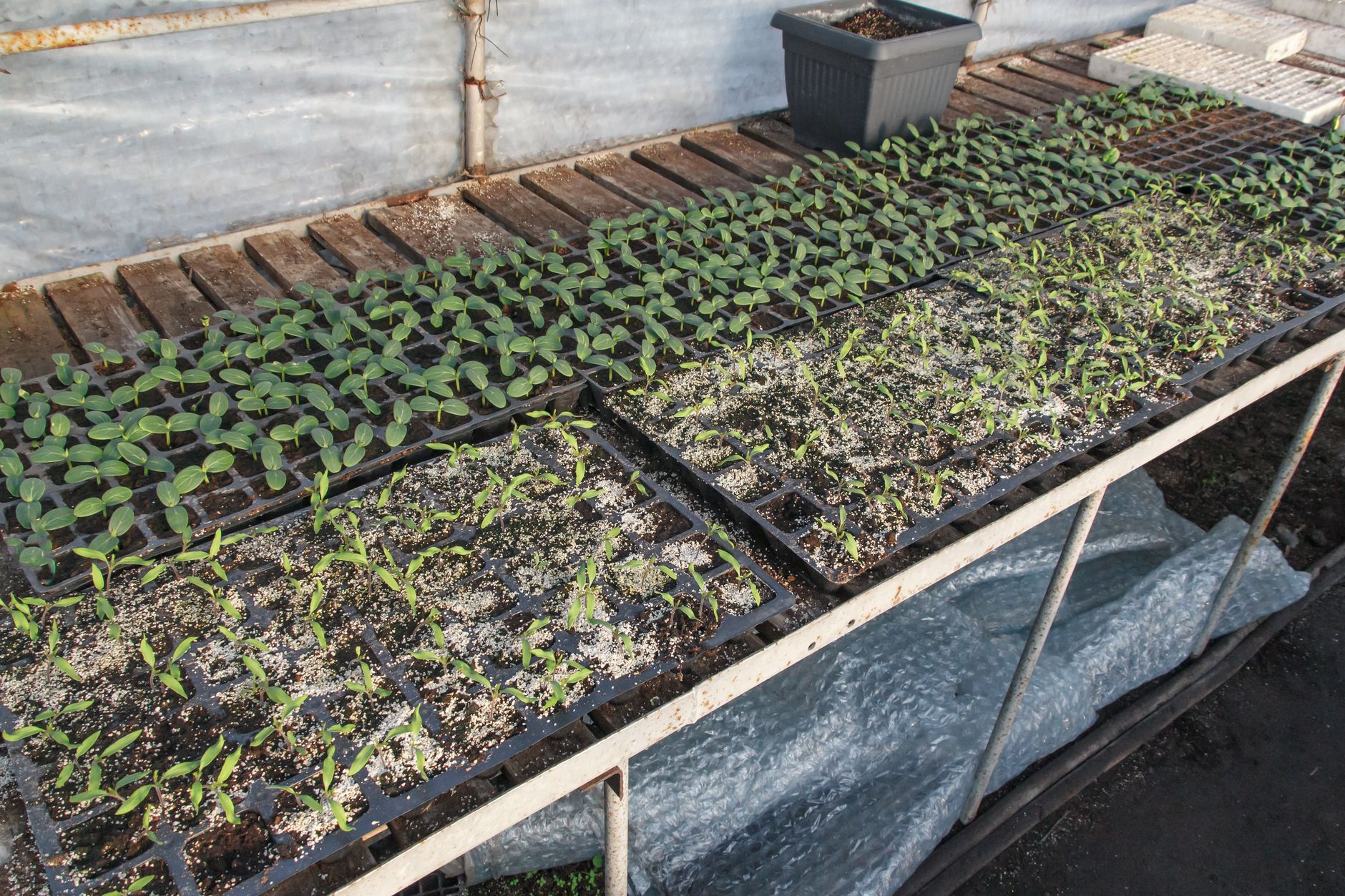
When Cucumber Seedlings Collapse: Understanding and Preventing Early Demise
As the days lengthen and the promise of summer approaches, many gardeners eagerly start their cucumber seeds. There's a particular joy in seeing those first cotyledons unfurl, signaling new life. However, for some, this excitement quickly turns to dismay when delicate cucumber seedlings collapse right after emerging, often seemingly overnight. This guide covers cucumber seedlings collapse after emerging in a practical way.
This disheartening phenomenon is a common problem, especially as we transition from cooler spring temperatures to the warmth of early summer. Understanding the precise timing and conditions that lead to this collapse is crucial for a successful cucumber harvest.
Instead of rushing to sow, consider the environmental nuances that can make or break your young plants. Even in warm weather, subtle issues can quickly turn a thriving tray into a graveyard of fallen seedlings.
Understanding the Early Collapse of Cucumber Seedlings
When you observe your robust young cucumber plants suddenly shriveling at the soil line and toppling over, you're likely witnessing the effects of a condition often called 'damping-off.' This isn't a single disease but rather a complex of fungal pathogens that target vulnerable seedlings.
These pathogens, primarily species of Pythium, Phytophthora, and Rhizoctonia, thrive in specific conditions that are unfortunately common in home seed-starting setups. They attack the tender stem tissues at or just below the soil surface, effectively girdling the plant and cutting off water and nutrient flow.
While damping-off is the most frequent culprit, other factors can mimic its symptoms or weaken seedlings, making them more susceptible. Environmental stresses, nutrient imbalances, and even certain pests can contribute to a sudden collapse, especially in the critical first few days post-emergence.
Why Timing and Conditions Matter for Cucumber Seedlings
Cucumbers are warm-season crops, meaning they love heat. However, 'warm' doesn't necessarily mean 'humid and stagnant,' which are ideal conditions for fungal growth. The balance of warmth, moisture, and airflow is exceptionally delicate for young seedlings.
Starting seeds too early when outdoor temperatures are still fluctuating can lead to temperature stress, even if you're starting indoors. A sudden drop in ambient temperature, or even cold water used for irrigation, can shock the delicate root systems.
Conversely, planting into soil that is still too cold can also be detrimental. Cucumber seeds prefer soil temperatures consistently above 60°F (15°C) for optimal germination and strong initial growth. For more on this, read our guide on When to Direct Sow Cucumbers After Frost: Don’t Rush Cold Soil.
Best Conditions for Robust Cucumber Seedlings
To give your cucumber seedlings the best start, aim for a consistent environment. Maintain air temperatures between 70-85°F (21-29°C) and soil temperatures ideally around 75-80°F (24-27°C) for germination. Once germinated, slightly cooler air temperatures can be beneficial, but avoid anything below 65°F (18°C).
Good air circulation is paramount. A gentle fan blowing across your seedlings can strengthen stems and reduce humidity around the plants, making it harder for fungal spores to settle and proliferate. This small comparison to a slight breeze outdoors highlights its importance.
Proper lighting is also vital. Insufficient light leads to leggy, weak seedlings that are more prone to collapse. Provide 12-16 hours of strong, full-spectrum light daily, keeping grow lights just a few inches above the plant tops.
Common Culprits Behind Cucumber Seedling Death
Beyond the general concept of damping-off, let's delve into the specific factors that often contribute to this tragic seedling loss. Identifying the exact cause can help you refine your practices for future success.
1. Damping-Off Disease
This is the primary suspect when cucumber seedlings collapse right after emerging. The fungi responsible are naturally present in most soils and even on some seeds. They wait for the perfect conditions to strike.
- Overwatering: Excess moisture creates an anaerobic environment at the soil line, depriving roots of oxygen and encouraging fungal growth. It’s a classic beginner mistake.
- Poor Drainage: If your seed starting mix or trays don't drain well, water sits around the delicate stems, fostering pathogens.
- Non-Sterile Medium: Using garden soil or old potting mix can introduce a host of pathogens directly to your vulnerable seedlings.
- Lack of Air Circulation: Stagnant, humid air allows fungal spores to multiply rapidly and settle on moist plant surfaces.
- Cool Temperatures: While cucumbers love warmth, cool, damp soil can stress seedlings and make them more susceptible to certain damping-off fungi.
The practical tradeoff here is that while sterile mixes might cost a bit more, they significantly reduce the risk of damping-off, saving you the time and frustration of replanting.
2. Environmental Stressors
Even without direct pathogen attack, environmental factors can weaken or kill young cucumber seedlings.
- Temperature Extremes: Sudden drops in temperature, especially cold nights, can shock seedlings. Conversely, excessively high temperatures can also stress them, causing wilting that might look like collapse.
- Over-Fertilization: Young seedlings have very delicate roots. Too much fertilizer, or fertilizer that is too strong, can burn their roots and stems, leading to rapid decline.
- Insufficient Light: Leggy seedlings stretched thin in search of light are inherently weaker and more prone to toppling. They often have pale, spindly stems that cannot support the cotyledons.
- Water Quality: Highly chlorinated water or water with extreme pH levels can also contribute to seedling stress.
3. Pest Infestations
While less common for immediate collapse, small pests can sometimes play a role.
- Fungus Gnats: Though typically a nuisance, the larvae of fungus gnats feed on delicate root hairs and can introduce fungal spores. A heavy infestation can weaken seedlings significantly.
- Spider Mites or Aphids: While they usually cause slower decline, a severe early infestation can overwhelm tiny seedlings.

Step-by-Step Guide to Preventing Collapse
Prevention is always easier than trying to revive collapsed seedlings. Implement these practices for strong, healthy cucumber plants.
1. Start with Sterilized Supplies
Always use a fresh, sterile seed-starting mix. Avoid reusing old potting soil unless it has been properly sterilized. Clean all your seed trays, pots, and tools thoroughly with a 10% bleach solution and rinse well before each use. This real-world constraint of needing clean equipment is non-negotiable for success. For a deeper dive, check out Prevent Damping-Off Seedlings: Clean Setup Saves Trays.
2. Master Your Watering Technique
This is perhaps the most critical factor. Water from the bottom whenever possible, allowing the mix to wick up moisture. If watering from the top, use a gentle stream or mister to avoid dislodging seeds or seedlings. Allow the top layer of the soil to dry slightly between waterings; it should feel barely damp, not soggy. Overwatering is a primary cause of damping-off.
3. Ensure Excellent Air Circulation
Place a small oscillating fan near your seedlings to create gentle air movement. This helps to dry the surface of the soil, strengthens seedling stems, and prevents the humid, still conditions that fungi love. Position it so the plants gently sway, but aren't buffeted.
4. Provide Adequate Light and Temperature
Maintain consistent warm temperatures (70-85°F / 21-29°C) for germination and slightly cooler (65-75°F / 18-24°C) once seedlings emerge. Place grow lights close to the seedlings (2-4 inches) to prevent legginess. Adjust the light height daily as they grow.
5. Thin Seedlings Promptly
Once your cucumber seedlings have developed their first true leaves, thin them to the strongest plant per cell or pot. Overcrowding reduces air circulation and increases competition for resources, making all seedlings weaker and more susceptible to disease.
6. Harden Off Before Transplanting
Gradually acclimate your seedlings to outdoor conditions over 7-10 days before transplanting. This involves exposing them to increasing periods of direct sunlight, wind, and cooler temperatures. This step significantly reduces transplant shock and makes them more resilient.
Troubleshooting and Recovery
If you do notice signs of collapse, act quickly. While it's often difficult to save affected seedlings, you can prevent the spread to others.
- Isolate and Remove: Immediately remove any collapsed or dying seedlings, along with the surrounding soil, to prevent the spread of pathogens.
- Improve Conditions: Review your watering schedule, increase air circulation, and check your temperature. Ensure the soil isn't waterlogged.
- Consider Fungicides (Carefully): For severe, recurring issues, some organic gardeners use chamomile tea or dilute hydrogen peroxide as a soil drench, though success is mixed. Chemical fungicides are generally not recommended for home seed starting due to their harshness and potential for harm.
- Replant: Sometimes, the best course of action is to start a new batch of seeds, implementing all the preventative measures from the outset.
FAQ
What does damping-off look like on cucumber seedlings?
Damping-off typically presents as a water-soaked, constricted area at the base of the stem, right at the soil line. The seedling will then wilt, often turning brown or black at the affected point, and eventually topple over, appearing as if it's been cut at the base.
Can I save cucumber seedlings that have collapsed?
Unfortunately, once a cucumber seedling has collapsed due to damping-off, it is almost impossible to save. The vascular system is usually too damaged. Your best bet is to remove the affected seedling and focus on preventing the disease from spreading to its neighbors.
Is it too much water or not enough water causing my seedlings to collapse?
For cucumber seedlings collapsing right after emerging, it is almost always due to too much water, especially in conjunction with cool temperatures or poor air circulation. Overwatering creates anaerobic conditions that favor the fungal pathogens responsible for damping-off. Underwatering typically causes wilting, but the stem usually doesn't constrict and collapse at the soil line in the same way.
Can I reuse the soil where seedlings collapsed?
It is strongly advised not to reuse soil where seedlings have collapsed from damping-off. The pathogens are likely still present and could infect subsequent plantings. Dispose of the contaminated soil and always start with fresh, sterile seed-starting mix for new batches of seedlings.
How can I tell if it's damping-off or something else?
Damping-off is characterized by the stem constriction at the soil line. If your seedlings are just wilting but the stem looks fine, it might be underwatering or heat stress. If they are yellowing or stunted, it could be a nutrient deficiency or cold stress. Pests usually leave visible signs like chewed leaves or tiny insects.
Final Thoughts
The sight of collapsed cucumber seedlings can be incredibly frustrating for any gardener. However, by understanding the specific conditions that favor damping-off and other stressors, you can take proactive steps to prevent this common problem. Focus on cleanliness, proper watering, good air circulation, and consistent temperatures.
With a little care and attention to detail, you can ensure your cucumber seedlings grow into strong, productive plants, ready to provide a bountiful harvest for your garden. Don't be discouraged by early setbacks; each challenge is an opportunity to refine your gardening skills.