
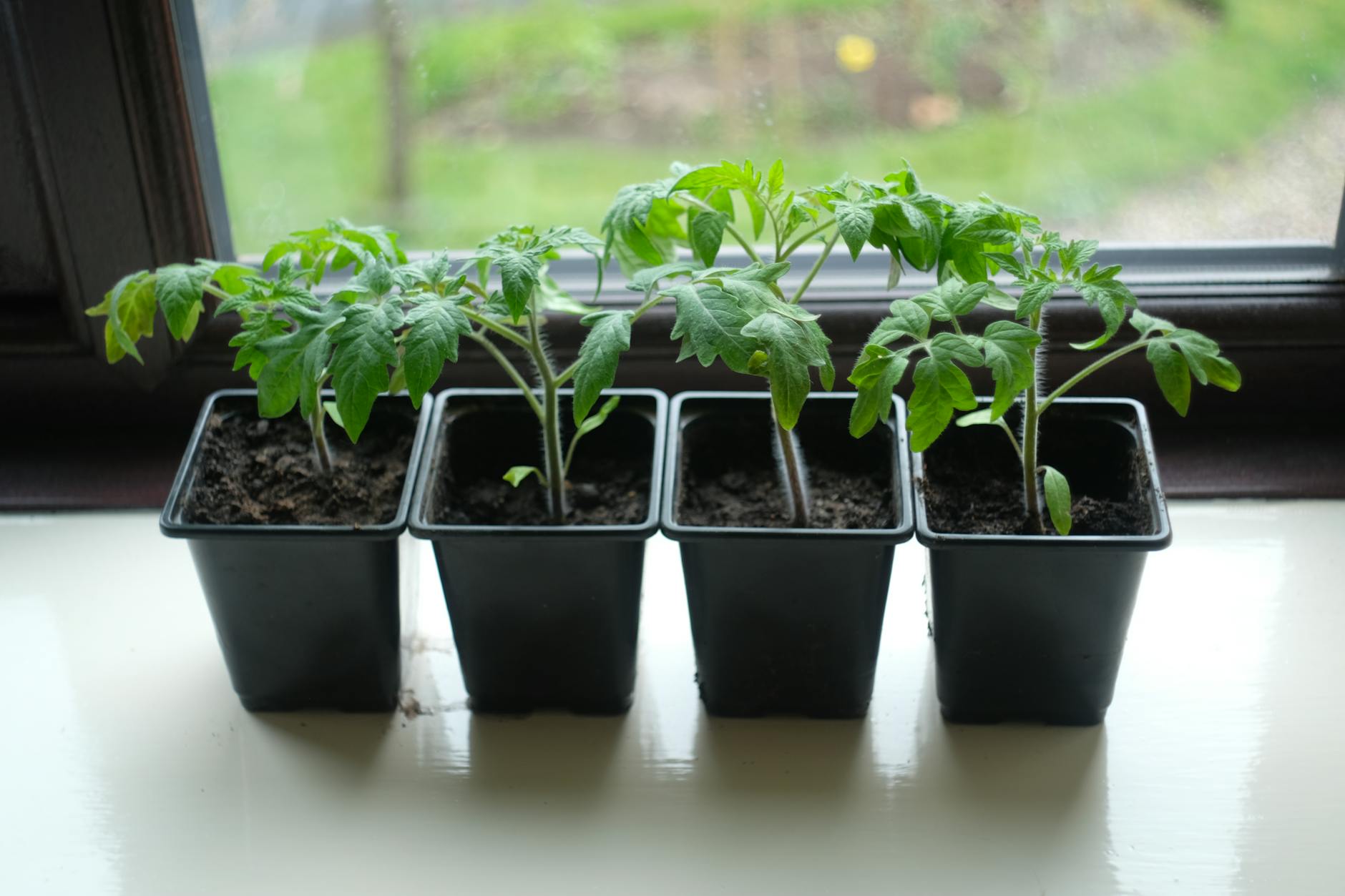
For short‑season gardens, choose tomato varieties that mature in 55 to 70 days after transplant. Look for determinate or semi‑determinate types labeled “early” or “cold‑tolerant.” These plants set fruit quickly and tolerate cooler nights.
Why This Matters
In regions with a limited frost‑free window, every day counts toward harvest. Planting a late‑maturing cultivar can leave you with green fruit when the first frost arrives. Early varieties reduce risk and extend the usable season for fresh eating or preserving.
Step‑by‑Step Guide
Start by selecting a variety with a days‑to‑maturity rating of 60 days or less. Check the seed packet or catalog for “early” or “Siberian” labels. Purchase certified disease‑free seeds to avoid early‑season problems.
Sow seeds indoors 6 to 8 weeks before your last expected frost date. Use a light‑rich seed‑starting mix and keep the temperature between 21 °C and 24 °C. Provide 12 to 14 hours of light daily with a grow light or sunny window.
When seedlings have two true leaves, transplant them into individual pots. Harden off the plants for 5 to 7 days by placing them outdoors in a sheltered spot for a few hours each day. After hardening, set them in the garden at the same depth they were in the pot.
Space determinate plants 45 cm apart and indeterminate ones 60 cm apart. Add a stake or cage at planting time to support the vines. Water deeply after planting and then maintain even moisture.
Label each pot with the variety name and sowing date. Keep a simple log of germination, transplant, and first fruit dates. This record helps you refine choices for next year.
Best Conditions
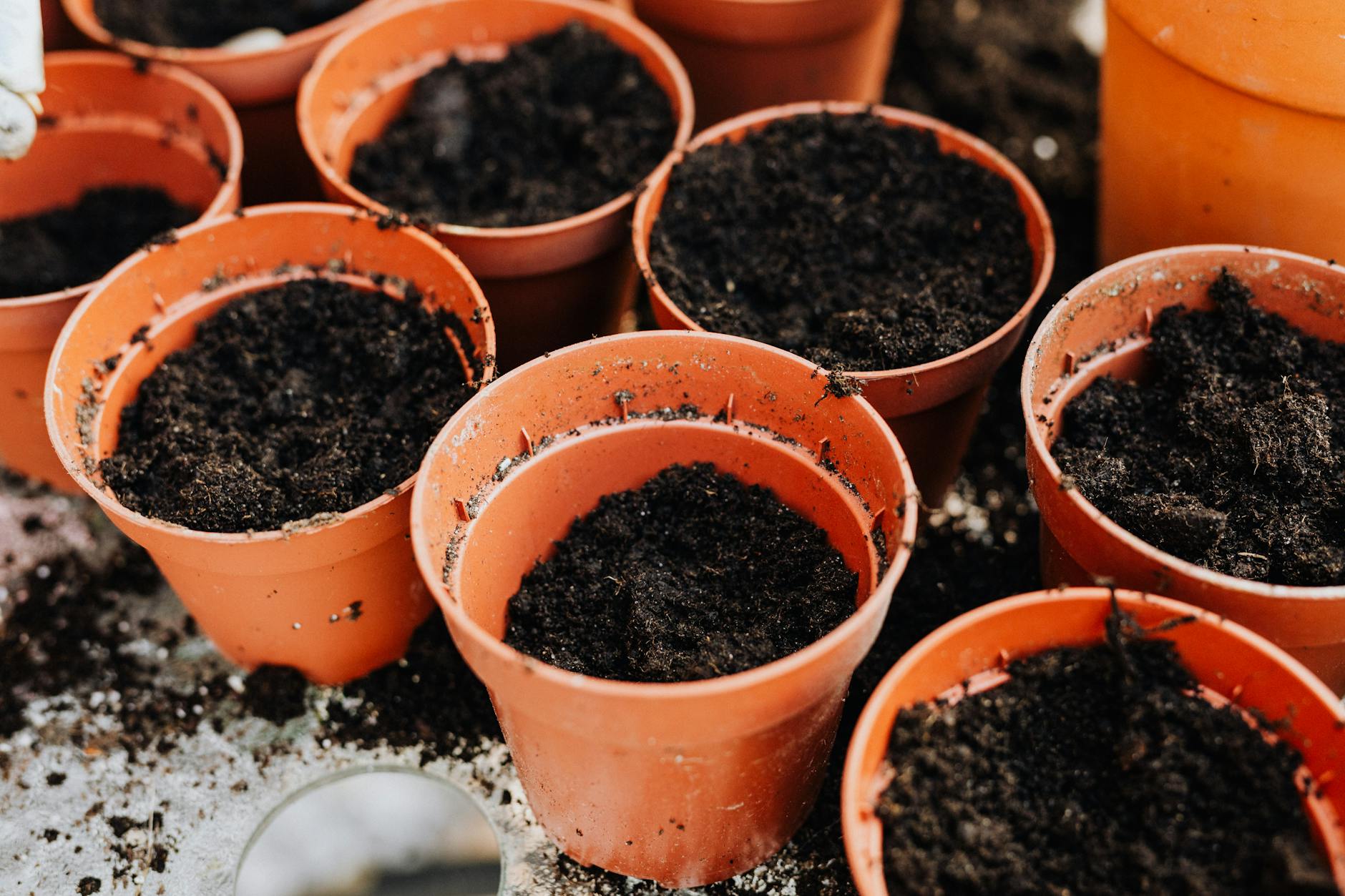
Early tomatoes thrive in well‑draining loam with a pH between 6.0 and 6.8. Amend the bed with 2 to 3 cm of compost before planting to improve fertility. Avoid heavy clay that stays cold and wet.
Full sun is essential; aim for at least 6 to 8 hours of direct light each day. If you grow in containers, use a pot of at least 10 L volume with drainage holes. Mulch with straw or shredded leaves to keep soil temperature stable.
Test your soil pH a few weeks before planting using a inexpensive kit. If the reading is below 6.0, add lime; if above 6.8, incorporate elemental sulfur. Adjusting pH ensures nutrients are available to the plants.
For more on preparing beds, see our guide on How much compost to add in early spring veg beds. If you are also pruning fruit bushes, check Blueberry pruning in early spring which canes first for timing tips.
Seasonal Timing
Determine your area’s average last frost date. Subtract 6 to 8 weeks to find the indoor sowing window. For most of the northern USA and Canada, this falls between mid‑March and early April.
Transplant seedlings outdoors after the danger of frost has passed and soil temperature reaches at least 10 °C. Use a soil thermometer to check. Planting too early can stunt growth, while waiting too late shortens the harvest period.
Common Mistakes
Choosing a variety based only on fruit size without checking days to maturity. Many large‑fruited heirlooms need 80+ days and will not ripen in a short season. Always verify the maturity rating first.
Over‑fertilizing with nitrogen encourages leafy growth at the expense of flowers. Use a balanced fertilizer with a lower N ratio, such as 5‑10‑10, once fruit sets. Too much nitrogen can also delay ripening.
Neglecting to harden off seedlings leads to transplant shock. Plants may wilt, drop leaves, or fail to establish. Give them a gradual outdoor exposure over a week before planting.
Pro Tips
Plant a second, later‑maturing variety alongside your early type to extend the harvest window. This staggered approach gives you a continuous supply of tomatoes. Choose a mid‑season cultivar that matures in 70‑80 days.
Use reflective mulch, such as silver plastic, to increase soil temperature by a few degrees. This can shave off a few days from the time to first fruit. Remove the mulch once the canopy closes to avoid overheating.
Prune indeterminate vines lightly to improve air flow and reduce disease pressure. Remove only the suckers that appear below the first fruit cluster. Over‑pruning can cut away potential yield.
Consider succession planting: start a second batch of seeds two weeks after the first. This provides a backup if the early crop faces a cold snap and lengthens the overall harvest.

Troubleshooting
If flowers drop without setting fruit, check night temperatures. Temperatures below 10 °C can cause blossom drop. Use a row cover or cloche to protect plants on cold nights.
Yellowing leaves may signal nitrogen deficiency or overwatering. Let the top 2 cm of soil dry between waterings and apply a light feed of balanced fertilizer. Persistent yellowing could indicate a root problem.
Cracked fruit often results from irregular watering after a dry spell. Keep soil moisture even, especially during fruit enlargement. Mulching helps maintain consistent moisture levels.
Blossom end rot appears as a dark, sunken spot on the bottom of the fruit. It is caused by calcium deficiency often linked to fluctuating moisture. Water consistently and avoid letting the soil dry out completely.
FAQ
What does “days to maturity” mean for tomatoes?
It refers to the number of days from transplanting to the first ripe fruit under ideal conditions. Actual time can vary with weather, soil, and care.
Can I grow early tomatoes in a container on a balcony?
Yes, choose a determinate or dwarf variety and use a pot of at least 10 L with good drainage. Provide support and feed regularly.
Are determinate or indeterminate types better for short seasons?
Determinate types tend to set fruit all at once and finish earlier, making them reliable for short seasons. Indeterminate types can work if you select an early‑maturing cultivar and manage vigor.
How do I know if a tomato variety is cold tolerant?
Look for descriptors like “Siberian,” “early,” or “cold‑set” on the seed packet. These varieties have been bred to set fruit at lower temperatures.
Should I prune the leaves of early tomatoes to improve airflow?
Light leaf pruning can help, but avoid removing more than one‑third of the foliage at once. Focus on lower leaves that touch the soil to reduce disease risk.
Additional Considerations
Companion planting with basil or marigold can deter pests and improve flavor. Keep companions at least 30 cm away from tomato stems to allow proper air circulation. Rotate crops each year to prevent soil‑borne diseases.
Final Thoughts
Early‑maturing tomatoes give you a reliable harvest even when the growing season is brief. By picking the right variety, starting seeds at the correct time, and providing steady care, you can enjoy fresh tomatoes weeks before the frost returns. Keep notes each year to refine your choices and improve yields.