
Leafy Greens for Australian Autumn: A Comprehensive Guide to Spinach, Rocket, and Silverbeet
As the scorching Australian summer begins to wane, a welcome coolness settles over the land, signalling the perfect time to embrace the bounty of autumn gardening. This season offers a unique opportunity to cultivate a vibrant array of leafy greens that thrive in milder temperatures. Among the most rewarding and versatile are spinach, rocket (also known as arugula), and silverbeet (Swiss chard). These nutritional powerhouses are not only easy to grow but also provide a continuous harvest, transforming your garden into a source of fresh, healthy produce throughout the cooler months. This guide will equip you with the knowledge to successfully grow spinach in Australia during autumn, alongside essential tips for cultivating rocket and silverbeet, ensuring a flourishing harvest.
Table of Contents
Related: australia-autumn-soil-reset.html


- Quick Answer
- Why This Matters
- Step-by-Step Guide to Growing Spinach, Rocket, and Silverbeet
- Site Selection and Preparation
- Choosing Your Varieties
- Sowing Seeds
- Watering and Feeding
- Pest and Disease Management
- Harvesting Your Greens
- Best Conditions for Autumn Leafy Greens
- Seasonal Timing for Australian Autumn Planting
- Common Mistakes to Avoid
- Pro Tips for Bountiful Harvests
- Troubleshooting Common Issues
- Frequently Asked Questions (FAQ)
- Conclusion
Quick Answer
Related: australia-winter-veg-march.html
For Australian gardeners, autumn is an ideal time to grow spinach, rocket, and silverbeet. These leafy greens prefer cooler weather and can be sown directly into well-drained soil enriched with compost from March through to May. Aim for a location with at least 4-6 hours of sunlight daily. Regular watering and occasional feeding will ensure a continuous harvest. Key to success is managing temperature fluctuations to prevent premature bolting and implementing simple pest prevention strategies.
Why This Matters
Related: soil-temperature-planting-peas-spinach.html

The transition from summer to autumn in Australia presents a golden opportunity for gardeners. The intense heat that can stress and even kill many cool-season crops has subsided, replaced by more moderate temperatures that are perfect for leafy greens. Growing spinach, rocket, and silverbeet during this period offers several significant advantages:
- Nutritional Boost: These greens are packed with vitamins, minerals, and antioxidants, contributing to a healthier diet. Incorporating them into your meals provides essential nutrients like iron, vitamin K, vitamin A, and folate.
- Cost Savings: Homegrown produce is significantly cheaper than store-bought alternatives, especially when considering the quality and freshness. You can enjoy a continuous supply of your favourite greens without frequent trips to the supermarket.
- Reduced Food Miles: Growing your own food drastically reduces the carbon footprint associated with transporting produce from farms to your table.
- Gardening Therapy: Engaging with your garden, especially during the pleasant autumn weather, offers a therapeutic escape, reducing stress and promoting well-being.
- Sustainable Practices: By planting in autumn, you can take advantage of natural rainfall patterns and cooler temperatures, potentially reducing the need for excessive watering and artificial cooling. This aligns with more sustainable gardening practices.
Step-by-Step Guide to Growing Spinach, Rocket, and Silverbeet
Related: pepper-seed-starting-heat-mat-temps-for-fast-sprouts
Successfully cultivating these leafy greens involves a few key steps, from preparing your garden bed to harvesting your delicious produce.
Site Selection and Preparation
Related: peach-leaf-curl-prevention-dormant-spray-timing
Choosing the right location and preparing your soil are foundational to a successful harvest.
- Sunlight: Leafy greens generally prefer a location that receives at least 4 to 6 hours of sunlight per day. While they can tolerate some shade, especially during warmer spells, adequate light is crucial for healthy growth and flavour. In autumn, as the sun's angle lowers, you might find that areas previously receiving full sun are now partially shaded, which can be beneficial.
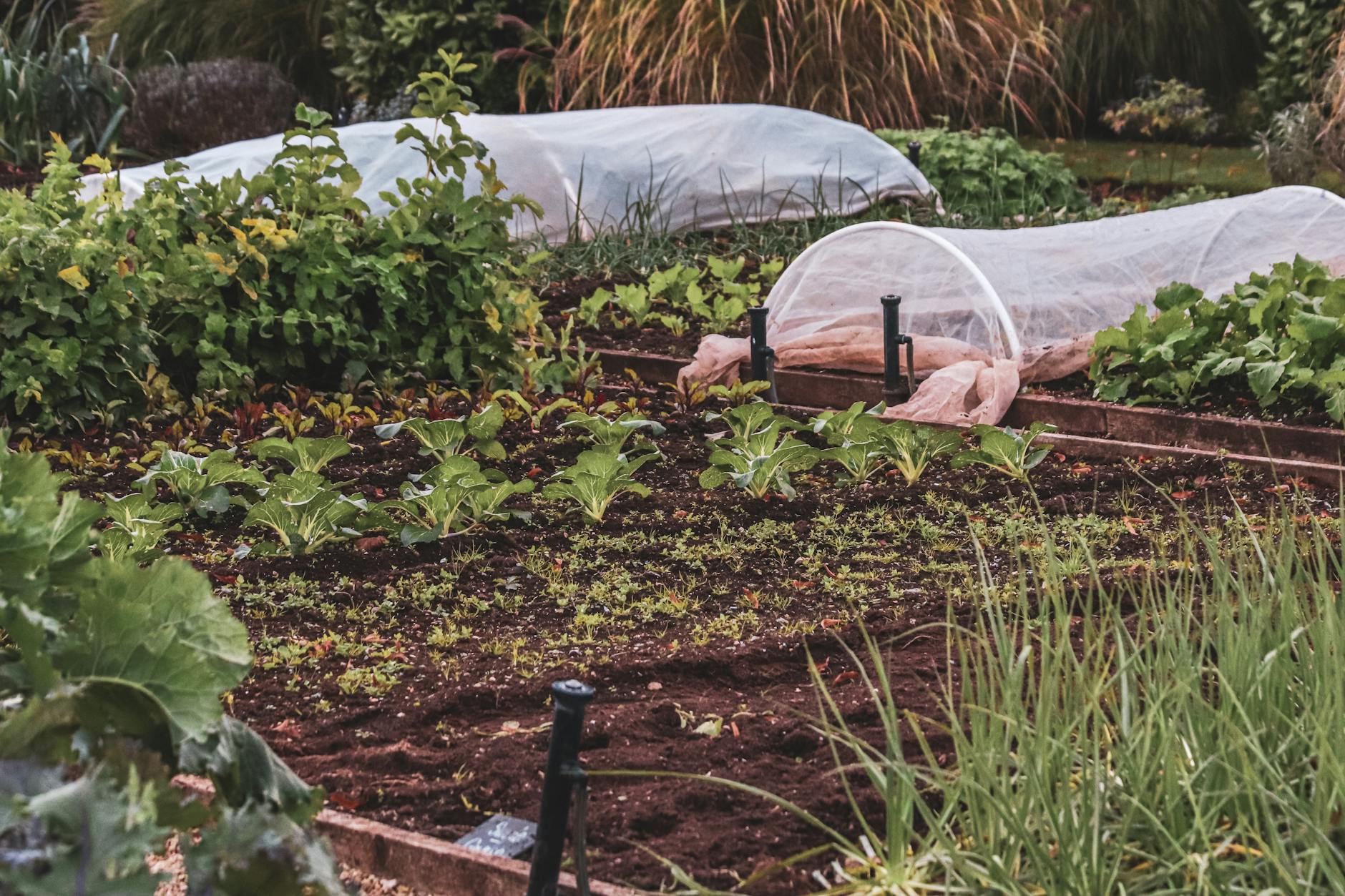
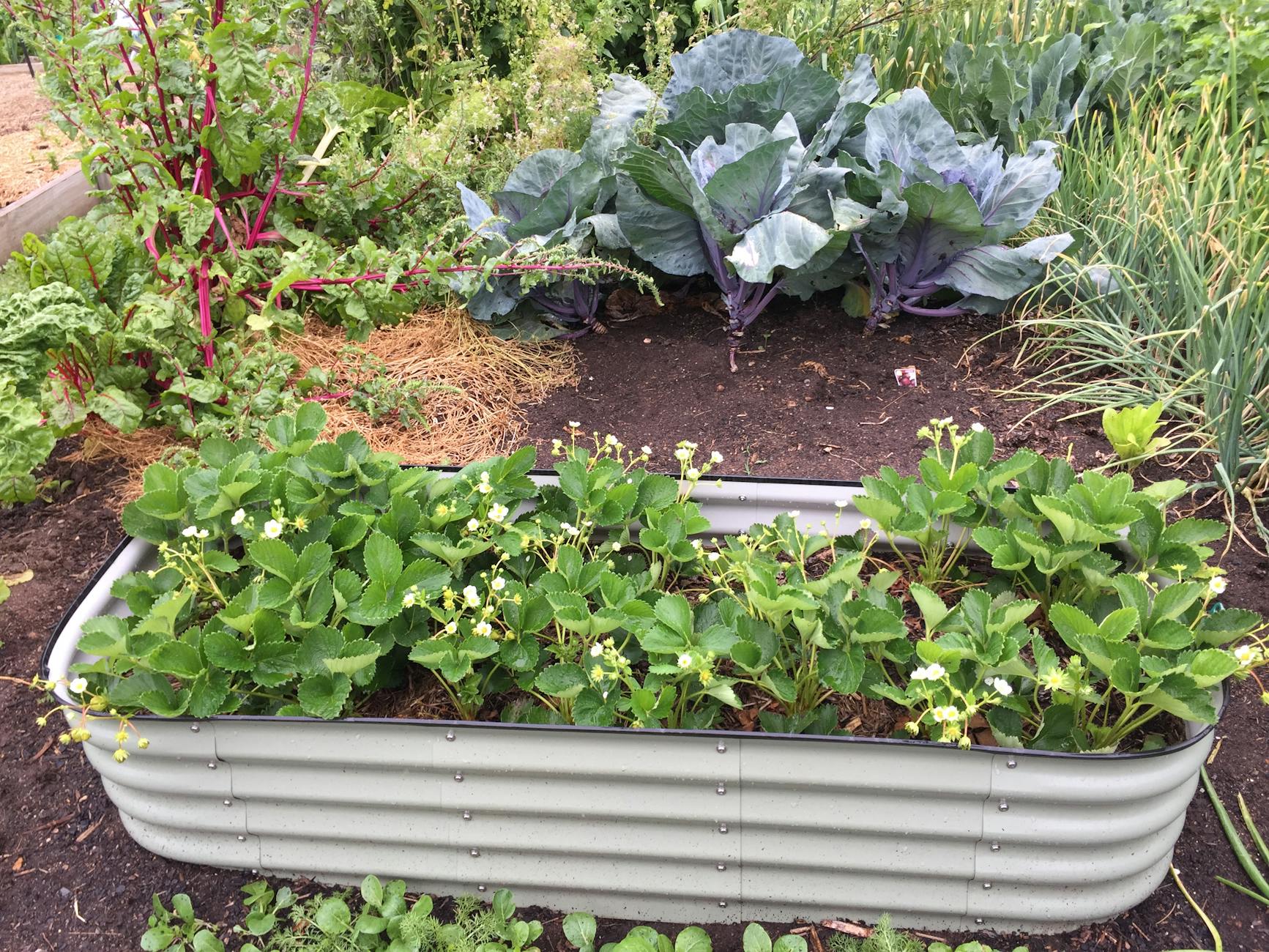
- Soil Drainage: All three greens require well-drained soil. Waterlogged conditions can lead to root rot and other fungal diseases. If your soil is heavy clay, consider incorporating organic matter like compost or well-rotted manure to improve its structure and drainage. Raised garden beds are an excellent option for areas with poor drainage.
- Soil Fertility: Leafy greens are hungry plants and benefit from nutrient-rich soil. Before planting, amend your soil with a generous amount of compost or aged manure. This not only provides essential nutrients but also improves soil structure and water retention. A soil test can help identify any nutrient deficiencies. For a comprehensive approach to preparing your soil for the cooler months, refer to our guide on [australia-autumn-soil-reset.html](https://www.gardeningplat.online/2026/02/australia-autumn-soil-reset.html).
- Weed Control: Remove any existing weeds from your planting area. Weeds compete with your young plants for water, nutrients, and light.
Choosing Your Varieties
While many varieties of spinach, rocket, and silverbeet exist, selecting those suited to your climate and preferences will enhance your success.
- Spinach:
- Savoy Spinach: Characterised by crinkled leaves, these varieties are generally more cold-hardy and slower to bolt. Examples include 'Bloomsdale Long Standing'.
- Semi-Savoy Spinach: Offers a good balance of hardiness and ease of growth, with slightly crinkled leaves. 'Tyee' is a popular choice.
- Smooth-Leaf Spinach: These have flat leaves and are often faster growing, but can be more prone to bolting in warmer conditions. 'America' is an example.
- New Zealand Spinach (Tetragonia tetragonioides): This is not a true spinach but a heat-tolerant alternative that thrives in warmer weather and can continue producing through milder winters. It's a good option if you experience late autumn warmth.
- Rocket (Arugula):
- Wild Rocket (Diplotaxis tenuifolia): Often has a more pungent, peppery flavour and can be more heat tolerant than cultivated rocket.
- Cultivated Rocket (Eruca sativa): Typically has a milder flavour and grows quickly. Varieties like 'Astro' or 'Sylvetta' are common.
- Silverbeet (Swiss Chard):
- Rainbow Chard: Known for its colourful stems (red, yellow, orange, pink) and nutritious leaves.
- Fordhook Giant: A classic variety with large, dark green leaves and thick, white stems.
- Bright Lights: Similar to Rainbow Chard, offering a vibrant display of colours.
- Lucullus: Another reliable variety with broad, light green leaves and white stems.
Sowing Seeds
Direct sowing is the most common and effective method for these greens.
- Timing: Sow seeds directly into the prepared garden bed from March through to May in most Australian regions. Refer to the "Seasonal Timing" section for more specific regional advice.
- Depth and Spacing:
- Spinach: Sow seeds about 1-2 cm deep. Space seeds 5-10 cm apart. For a continuous harvest, sow in succession every 2-3 weeks.
- Rocket: Sow seeds about 0.5-1 cm deep. Space seeds 2-5 cm apart. Rocket grows quickly, so succession sowing every 1-2 weeks is highly recommended for a constant supply.
- Silverbeet: Sow seeds about 1-2 cm deep. Space seeds 10-15 cm apart. Silverbeet is a larger plant, so it requires more space. You can also sow seeds closer together and thin them out later, using the thinnings in salads.
- Soil Temperature: While these greens prefer cooler weather, a soil temperature between 10°C and 20°C is ideal for germination. You can check soil temperature using a soil thermometer. For more on this, see [soil-temperature-planting-peas-spinach.html](https://www.gardeningplat.online/2026/03/soil-temperature-planting-peas-spinach.html).
- Watering After Sowing: Water the seedbed gently but thoroughly after sowing. Keep the soil consistently moist until germination occurs.
Watering and Feeding
Consistent moisture and adequate nutrients are key to vigorous growth.
- Watering: Water regularly, especially during dry spells. Aim to keep the soil consistently moist but not waterlogged. The best time to water is in the early morning or late afternoon to minimise evaporation. As autumn progresses, you may find natural rainfall is sufficient, but always check soil moisture levels.
- Feeding: Leafy greens benefit from regular feeding.
- Initial Fertilisation: Incorporate compost or aged manure into the soil before planting.
- Liquid Feeding: Once the plants are established (about 3-4 weeks after sowing), you can begin feeding them with a balanced liquid fertiliser, such as a seaweed extract or a diluted fish emulsion, every 2-4 weeks. This will encourage lush, healthy leaf growth. Avoid fertilisers high in nitrogen if you are trying to prevent bolting in warmer autumn spells.
Pest and Disease Management
While autumn generally brings fewer pest and disease pressures than summer, vigilance is still important.
- Common Pests:
- Aphids: Small, soft-bodied insects that cluster on new growth. They can be washed off with a strong jet of water, or treated with insecticidal soap or neem oil.
- Cabbage White Butterfly Larvae (Caterpillars): These can decimate leafy greens. Handpick them off plants, or use a biological control like Bacillus thuringiensis (Bt) if infestations are severe.
- Slugs and Snails: These nocturnal pests can chew holes in leaves. Use barriers like copper tape, diatomaceous earth, or beer traps.
- Common Diseases:
- Downy Mildew: Appears as yellow spots on the upper leaf surface and fuzzy greyish growth on the underside. Ensure good air circulation and avoid overhead watering. Remove affected leaves promptly.
- Powdery Mildew: A white, powdery coating on leaves. Improve air circulation and avoid overcrowding.
- Prevention:
- Crop Rotation: Avoid planting the same family of vegetables in the same spot year after year.
- Good Air Circulation: Don't overcrowd plants.
- Watering Practices: Water the soil, not the leaves, to reduce the risk of fungal diseases.
- Companion Planting: Some plants can deter pests. For example, planting marigolds nearby may help deter nematodes.
- Healthy Soil: Strong, healthy plants grown in fertile soil are more resistant to pests and diseases.
Harvesting Your Greens
The beauty of these greens is their continuous harvestability.
- Spinach: Harvest outer leaves as needed, starting when plants are about 10-15 cm tall. This encourages the plant to keep producing from the centre. You can also harvest the entire plant by cutting it at the base.
- Rocket: Harvest outer leaves or cut the entire plant about 5 cm above the soil. Rocket will regrow quickly. For baby leaves, harvest when plants are smaller.
- Silverbeet: Similar to spinach, harvest the outer, mature leaves by cutting them at the base. This allows the inner leaves to continue growing. You can also harvest the entire plant if desired.
- Frequency: Regular harvesting encourages more growth. Aim to harvest at least once a week to keep your plants productive.
Best Conditions for Autumn Leafy Greens

Understanding the ideal environmental factors will significantly boost your success.
- Temperature: The sweet spot for spinach, rocket, and silverbeet is between 10°C and 20°C. While they can tolerate cooler temperatures, extreme cold can slow growth or damage leaves. Spinach and rocket are particularly sensitive to heat, which causes them to bolt (flower and go to seed prematurely). Silverbeet is more tolerant of a wider temperature range but still performs best in cooler conditions.
- Sunlight: As mentioned, 4-6 hours of direct sunlight is ideal. In autumn, as days shorten and the sun's intensity decreases, you might find that even slightly shadier spots become suitable.
- Soil Moisture: Consistent moisture is critical. The soil should be kept evenly moist, never dry, but also never waterlogged. This is particularly important during germination and early growth stages.
- Soil Type: Well-drained, fertile soil rich in organic matter is paramount. This provides the necessary nutrients and prevents root issues.
Seasonal Timing for Australian Autumn Planting
Autumn in Australia spans from March to May. The exact timing for sowing will vary depending on your specific region and microclimate.
- Northern Australia (e.g., Brisbane, Darwin): These regions experience a warmer autumn. You can start sowing from late March or April as temperatures begin to cool. You may have a shorter window for true spinach and rocket before it gets too warm again, but silverbeet and New Zealand spinach can often be grown for longer.
- Temperate Australia (e.g., Sydney, Melbourne, Adelaide): This is the prime season for these greens. You can begin sowing from March and continue through May. Succession sowing is highly recommended to ensure a continuous harvest.
- Cooler Australia (e.g., Hobart, Canberra, Southern Victoria): These regions can start sowing earlier, from late February or early March, and continue through May. These areas are ideal for growing spinach and rocket as the temperatures are consistently cool. Silverbeet will also thrive.
Real-World Constraint Scenario: Imagine you live in a region experiencing an unusually warm March. You've sown your spinach seeds, but the daytime temperatures are consistently hovering around 25°C. This is a recipe for bolting. In this scenario, you would need to take immediate action. Consider providing temporary shade during the hottest part of the day using shade cloth or even a strategically placed umbrella. Ensure the soil remains exceptionally moist. Alternatively, delay sowing your spinach and rocket until the temperatures consistently drop below 20°C, focusing on silverbeet which is more tolerant of warmer spells.
Common Mistakes to Avoid
Even experienced gardeners can make a few missteps. Here are common pitfalls to watch out for:
- Sowing Too Early in Warm Weather: This is the most common mistake, leading to premature bolting, bitter leaves, and stunted growth. Wait for consistently cooler temperatures.
- Inconsistent Watering: Allowing the soil to dry out completely between waterings can stress the plants, leading to bolting and poor flavour.
- Overcrowding Plants: Insufficient spacing leads to poor air circulation, increased susceptibility to pests and diseases, and smaller yields.
- Poor Soil Preparation: Planting in depleted or poorly draining soil will result in weak, unproductive plants.
- Ignoring Pests and Diseases: Small infestations can quickly become major problems if left unchecked.
- Not Harvesting Regularly: This can signal the plant to stop producing new leaves.
Pro Tips for Bountiful Harvests
Elevate your leafy green game with these expert recommendations.
- Succession Sowing: This is the golden rule for a continuous supply of spinach and rocket. Sow small batches every 2-3 weeks.
- Mulching: Apply a layer of organic mulch (like straw or compost) around your plants once they are established. This helps retain soil moisture, suppress weeds, and keep the soil cool.
- Partial Shade: In early autumn, when temperatures might still be a bit warm, planting in a spot that receives morning sun and afternoon shade can help prevent bolting.
- Choose Bolt-Resistant Varieties: When selecting seeds, look for varieties specifically bred for bolt resistance, especially if you are sowing in early autumn or live in a warmer climate.
- Harvesting Technique: For spinach and silverbeet, always harvest the outer leaves first. This encourages the plant to continue producing from the centre, extending your harvest period.
- Use Thinnings: Don't discard the small seedlings you thin out. They are perfect for adding to salads or stir-fries.
Troubleshooting Common Issues
Here's how to tackle some frequent problems:
- Bolting (Premature Flowering):
- Cause: High temperatures, long days, or water stress.
- Solution: Plant in cooler weather, choose bolt-resistant varieties, ensure consistent watering, and provide shade if temperatures rise unexpectedly. For rocket, harvest frequently to prevent it from flowering.
- Yellowing Leaves:
- Cause: Nutrient deficiency (especially nitrogen), overwatering, or underwatering.
- Solution: Fertilise with a balanced liquid feed, check soil moisture and adjust watering, or ensure good drainage.
- Holes in Leaves:
- Cause: Slugs, snails, or caterpillars.
- Solution: Handpick pests, use traps, barriers, or appropriate organic controls.
- Bitter Tasting Leaves:
- Cause: Heat stress, lack of water, or maturity.
- Solution: Harvest young, ensure consistent watering, and grow in cooler conditions.
Frequently Asked Questions (FAQ)
Q1: Can I grow spinach in Australia during autumn if I live in a warmer climate?
A1: Yes, but you'll need to be strategic. Sow seeds later in the autumn when temperatures consistently drop below 20°C. Consider bolt-resistant varieties or New Zealand spinach, which is more heat-tolerant. Ensure consistent watering and consider providing afternoon shade.
Q2: How often should I succession sow rocket?
A2: For a continuous supply, sow rocket every 1 to 2 weeks. It grows very quickly, so frequent small sowings are more effective than one large one.
Q3: What is the difference between spinach and silverbeet?
A3: Spinach is a true spinach (Spinacia oleracea) and is generally more sensitive to heat, bolting quickly. Silverbeet (Beta vulgaris subsp. vulgaris) is a variety of beetroot and has thicker, more robust leaves and stems, making it more tolerant of a wider temperature range and less prone to bolting. They are both highly nutritious but have different growth habits and tolerances.
Q4: Can I grow these greens in pots?
A4: Absolutely! Spinach, rocket, and silverbeet are excellent choices for container gardening. Ensure your pots are at least 20-30 cm deep and have good drainage holes. Use a good quality potting mix and remember that potted plants may require more frequent watering than those in the ground.
Q5: When is the best time to harvest silverbeet?
A5: You can begin harvesting outer leaves when the plants are about 15-20 cm tall. Continue to harvest the outer, mature leaves as needed, leaving the inner leaves to grow. This method allows for a continuous harvest from the same plant for many months.
Conclusion
Embracing the Australian autumn for growing leafy greens like spinach, rocket, and silverbeet is a rewarding endeavour that brings fresh, nutritious produce to your table throughout the cooler months. By understanding their specific needs regarding temperature, sunlight, and soil, and by employing simple techniques like succession sowing and consistent watering, you can ensure a bountiful harvest. Pay attention to the seasonal timing for your region, avoid common mistakes such as sowing too early, and be prepared to troubleshoot any issues that arise. With this comprehensive guide, you are well-equipped to transform your garden into a vibrant source of healthy greens, enjoying the satisfaction and flavour that only homegrown produce can offer. Happy gardening!