
Seasonal Timing: Mulching Tomatoes in June
As summer truly begins to assert itself across many gardening zones in June, our tomato plants are often transitioning from vigorous vegetative growth to setting their first fruits. This pivotal moment means they need consistent care, especially regarding water and soil temperature management. Applying the correct mulch depth for tomatoes in June becomes a critical task, offering substantial benefits while requiring careful consideration to avoid common pitfalls.
While mulching is beneficial throughout the growing season, June presents a unique set of circumstances. The soil has warmed considerably, but intense summer heat hasn't yet peaked in most regions. Our goal now is to conserve moisture, suppress weeds, and maintain a stable, warm-but-not-scorching root zone temperature, which is crucial for fruit development and overall plant health.
Why Mulch Depth Matters for Tomato Health
Mulch acts as a protective blanket for your garden soil, and its thickness directly impacts its effectiveness. Too thin, and it won't offer sufficient weed suppression or moisture retention. Too thick, and it can create an overly cool, damp environment, especially earlier in the season, which can hinder root development and foster disease.
For tomatoes, maintaining an optimal soil temperature is paramount. Their roots thrive in warmth, generally between 65-85°F (18-29°C). A properly applied layer of mulch helps buffer the soil against extreme temperature fluctuations, keeping it cooler on hot days and warmer on cool nights. This stability is vital for nutrient uptake and consistent growth.
Beyond temperature, a good mulch layer significantly reduces water evaporation from the soil surface. This means less frequent watering, which is a major time-saver and conserves precious resources. It also helps prevent soil compaction and runoff, ensuring water penetrates deeply to the root zone.
Weed suppression is another primary benefit. Mulch blocks sunlight from reaching weed seeds, preventing germination and growth. Fewer weeds mean less competition for water and nutrients, allowing your tomato plants to flourish without undue stress. This also reduces the need for manual weeding, saving your back and knees.
Best Conditions and Materials for Mulching Tomatoes
Before applying mulch, ensure your tomato plants are well-established and the soil has warmed sufficiently. In most regions, June is an ideal time as spring chill has passed, and the soil is actively reaching prime temperatures for tomato root activity. Water the area thoroughly before mulching to lock in moisture.
Choosing the right material for your tomato mulch thickness is as important as the depth itself. Organic mulches are generally preferred as they break down over time, enriching the soil with organic matter. They also allow for better air and water penetration compared to some inorganic options.
- Straw Mulch Tomatoes: Clean, weed-free straw is an excellent choice. It's lightweight, provides good insulation, and decomposes slowly. Avoid hay, which often contains weed seeds.
- Shredded Leaves: If you have a supply from last fall, shredded leaves are fantastic. They improve soil structure and provide nutrients.
- Compost: A layer of finished compost not only mulches but also feeds your plants. It's a dual-purpose powerhouse.
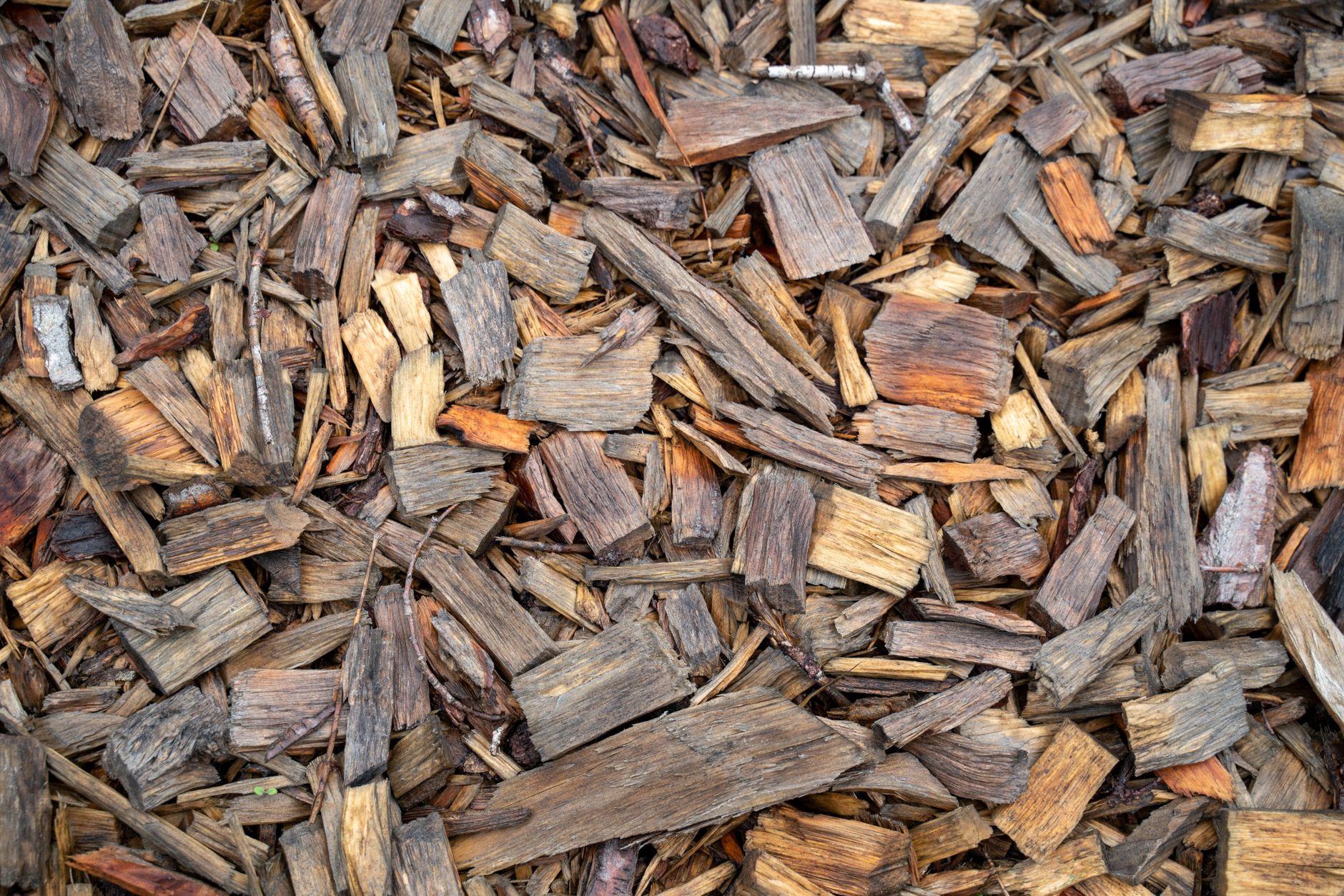
- Wood Chips/Arborist Chips: While good for pathways or permanent plantings, use finer, well-aged wood chips sparingly around tomatoes, as fresh wood chips can temporarily tie up nitrogen as they decompose.
- Pine Needles: These are a good option, especially if you have acidic soil, as they can slightly lower pH over time.
Avoid using black plastic mulch in very hot climates during June, as it can overheat the root zone. While useful for warming soil in cooler springs, it can become a real-world constraint in peak summer heat, potentially cooking roots. Similarly, fresh grass clippings can mat down and become anaerobic, hindering water penetration and potentially smelling unpleasant; if used, they should be applied in very thin layers and allowed to dry.
Step-by-Step Guide to Optimal Mulch Depth for Tomatoes in June
Achieving the correct mulch depth for tomatoes in June involves a few simple steps to ensure maximum benefit without adverse effects. The primary keyword, mulch depth for tomatoes in June, emphasizes the seasonal importance of this task.
1. Prepare the Area
First, thoroughly weed the area around your tomato plants. Any weeds covered by mulch will simply continue to grow, potentially becoming more difficult to remove later. Once clear, water your tomato plants deeply. This ensures the soil beneath the mulch is already moist, which is what we want to conserve.
2. Consider Your Climate and Soil
In cooler climates or if June still sees significant temperature swings, a slightly thinner initial layer might be beneficial to allow the soil to fully warm up. Conversely, in hotter regions where scorching summer heat is imminent, a slightly thicker layer can provide better insulation against overheating. This is a practical tradeoff gardeners often make based on their local conditions.
3. Apply the Mulch Layer
For most organic mulches like straw mulch tomatoes, shredded leaves, or compost, aim for a tomato mulch thickness of 2 to 4 inches (5-10 cm). This range provides excellent weed suppression and moisture retention without making the soil too cold or inviting pest issues. A beginner mistake is often applying too little mulch, which quickly breaks down or allows weeds to penetrate.
4. Keep Mulch Away from Stems
Crucially, leave a small gap, about 1-2 inches (2.5-5 cm), between the mulch and the base of your tomato stems. Piling mulch directly against the stem can trap moisture, leading to stem rot and creating an inviting habitat for pests like slugs and voles. This small comparison in application technique can significantly impact plant health.
5. Monitor and Replenish
Mulch will naturally break down and compact over time. Check your mulch depth periodically, especially after heavy rains or a few weeks into the summer. Replenish as needed to maintain the 2-4 inch thickness. This ongoing maintenance ensures your plants continue to receive the benefits throughout the growing season.
Pro Tips for Maximizing Mulch Benefits
Beyond the basic application, a few advanced strategies can enhance the effectiveness of your mulch program.
Combine Mulching with Proper Watering
Even with mulch, regular watering is essential, especially as fruits begin to develop. Mulch reduces the frequency, but not the necessity. Water deeply and less often, aiming for the root zone. Consider using drip irrigation under your mulch layer for highly efficient water delivery directly to where it's needed. For more on ensuring vigorous growth, you might find our guide on Best Fertilizer for Tomato Pepper Transplants: Grow Strong helpful.
Observe Your Tomato Root Zone Temperature
If you're particularly keen, a soil thermometer can help you understand the actual tomato root zone temperature. This feedback can inform whether your mulch depth is optimal or if adjustments are needed. In very hot spells, you might even temporarily increase mulch thickness slightly to combat extreme heat.
Consider Companion Planting
Some companion plants can work synergistically with your mulching efforts. For instance, planting basil near tomatoes is said to improve flavor and deter pests. The mulch will help these companion plants thrive alongside your tomatoes.
Choose the Right Tomato Variety
While mulching benefits all tomatoes, some varieties are naturally more resilient or suited to specific climates. If you're gardening in a short season area, selecting early varieties can give you a head start. Learn more about optimal choices in our article: Best Early Tomato Varieties for Short Seasons: Faster Harvests.
Common Mistakes to Avoid
Even experienced gardeners can sometimes make errors when mulching. Being aware of these common pitfalls can save you trouble down the line.
- Applying Mulch Too Early: If applied when the soil is still cold in spring, mulch can prevent it from warming up, stunting root growth. June generally avoids this, but it's a good general rule.
- Using Contaminated Mulch: Mulch containing weed seeds, diseases, or chemical residues can introduce problems to your garden. Always source clean, reputable materials.
- Mulching Too Thickly: While we advocate for a good depth, excessive mulch (e.g., 6+ inches) can suffocate roots, create anaerobic conditions, and become a haven for pests. It also keeps the tomato root zone temperature too cool for optimal growth.
- Not Leaving a Stem Gap: As mentioned, direct contact can cause stem rot. Always create a "mulch-free" zone around the plant's base.
- Neglecting Replenishment: Mulch isn't a one-and-done application. It breaks down and needs topping up to maintain its benefits.
FAQ
How often should I replenish mulch around tomatoes?
You should check your mulch every 4-6 weeks, especially after heavy rains. Organic mulches like straw or shredded leaves will compact and decompose, so aim to replenish them to maintain a consistent 2-4 inch depth throughout the growing season.
Can I use wood chips as mulch for tomatoes?
Yes, you can use wood chips, but it's best to use well-aged or composted wood chips. Fresh wood chips can temporarily deplete nitrogen from the soil as they break down, potentially starving your plants. Apply them in the recommended 2-4 inch layer, keeping them away from the stem.
Will mulch attract pests to my tomato plants?
While mulch can provide shelter for some beneficial insects, very thick or poorly applied mulch (touching the stem) can attract slugs, voles, or fungal issues due to excessive moisture. Maintaining the correct depth and leaving a gap around the stem minimizes these risks.
What is the ideal tomato root zone temperature?
Tomatoes thrive when their root zone temperature is consistently between 65-85°F (18-29°C). Mulch helps maintain this range by insulating the soil, keeping it cooler during hot spells and warmer during cooler periods, which is vital for nutrient uptake and overall plant vigor.
Is black plastic mulch good for tomatoes in June?
Black plastic mulch can be beneficial in cooler spring conditions to warm the soil quickly. However, in June, when temperatures are rising, it can cause the tomato root zone to become excessively hot, stressing the plants. Organic mulches are generally a better choice for temperature regulation during the peak summer months.
Final Thoughts
Applying the correct mulch depth for tomatoes in June is a simple yet profoundly impactful practice for any gardener. It’s an investment in your plants' health, leading to more robust growth, fewer weeds, and ultimately, a more bountiful harvest. By understanding the nuances of mulch thickness, material choices, and seasonal timing, you can create an optimal environment for your tomatoes to thrive, ensuring they produce delicious, juicy fruits all summer long.