
Quick Answer: Best June Root Crops for USA Gardens
Even if you missed the early spring rush, June is a prime time for planting several delicious root crops in many USA gardens. Excellent choices for late spring root vegetables include various beet varieties, quick-growing radishes, certain heat-tolerant carrot types, and turnips. These june sowing roots can thrive with proper soil preparation and consistent moisture, offering a rewarding harvest later in the season. This guide covers best june root crops for usa gardens in a practical way.
Why Planting Root Crops in June Matters
Many gardeners feel defeated if they miss the traditional early spring planting window for root vegetables. However, June sowing roots offers a fantastic second chance to enjoy fresh, homegrown produce, extending your gardening season. This late planting can provide a continuous supply of nutritious vegetables well into late summer and early autumn.
Understanding which crops perform best as late spring root vegetables in increasingly warmer soils is key to success. It allows you to maximize your garden's output and enjoy the satisfaction of a continuous harvest. Don't let a missed early window deter you from enjoying the bounty of your own backyard.
Top Root Crops for June Sowing
When considering the best June root crops for USA gardens, focus on varieties known for quicker maturity or good heat tolerance. The goal is to get them established before extreme summer heat sets in and to harvest before fall frosts.
Beets: A Versatile June Crop
Beets are an excellent choice for June planting. Many varieties mature within 50-60 days, meaning you could be harvesting fresh beets by late August or early September. Both the roots and the greens are edible, offering a dual-purpose crop.
Choose varieties like 'Detroit Dark Red,' 'Cylindra,' or 'Bull's Blood' for reliable performance. Ensure your soil is loose, well-draining, and rich in organic matter to encourage optimal root development. Consistent watering is crucial for sweet, tender roots.
Carrots: Selecting the Right Varieties
While many carrots prefer cooler weather, certain varieties are more tolerant of warmer soil conditions and longer daylight hours. Look for 'Danvers Half Long,' 'Nantes,' or 'Imperator' types, which are generally more adaptable. These varieties are among the best June root crops for USA gardens aiming for a late summer harvest.
Carrots require loose, stone-free soil to develop straight, well-formed roots. Amend heavy clay soils with compost to improve drainage and texture. Ensure consistent moisture, especially during germination and early growth, to prevent splitting or bitterness.
Radishes: Quick and Rewarding
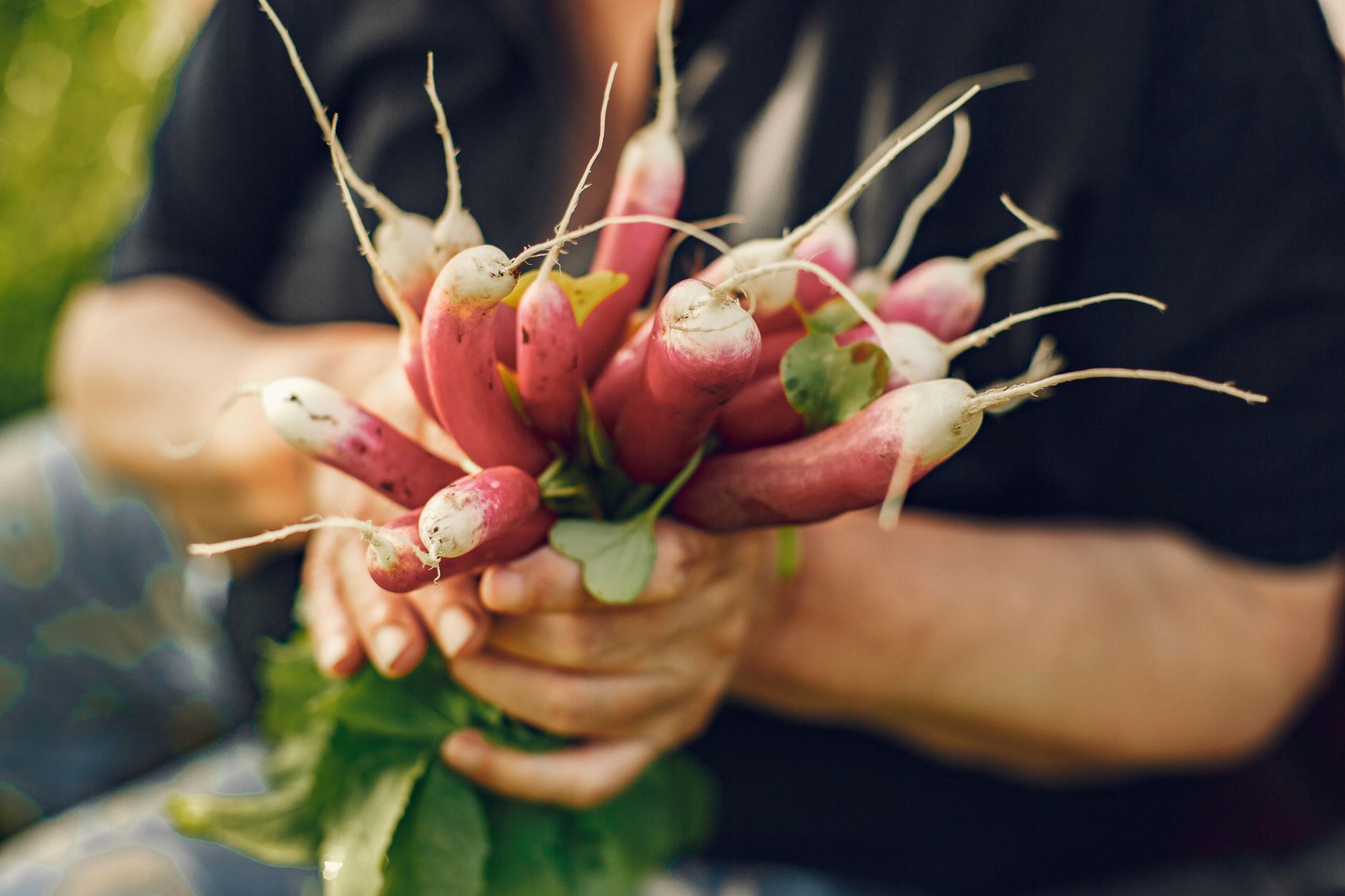
Radishes are the ultimate quick-gratification crop, often ready for harvest in as little as 25-30 days. This makes them ideal for succession planting throughout June and into early July. Plant small batches every week or two for a continuous supply.
While radishes can bolt quickly in intense heat, providing some afternoon shade or ensuring consistent moisture can mitigate this. Varieties like 'Cherry Belle,' 'French Breakfast,' or 'Sparkler' are reliable choices. They are among the easiest late spring root vegetables to grow.
Turnips: Dual-Purpose Delight
Turnips are another fantastic option for june sowing roots, offering both edible roots and nutritious greens. Many varieties mature within 30-60 days, depending on whether you're harvesting for greens or fully developed roots. They are relatively forgiving and can tolerate a range of soil conditions.
Consider varieties like 'Purple Top White Globe' or 'Hakurei' (Tokyo Market) for their excellent flavor and adaptability. Like other root crops, consistent moisture and loose soil will yield the best results. Turnips provide a valuable harvest when other crops are winding down.
Step-by-Step Guide to Successful Late Planting
Successfully planting root crops in June requires attention to a few key details. The slightly warmer soil temperatures can accelerate germination but also demand more consistent care than early spring plantings.
1. Prepare Your Soil Thoroughly
Root vegetables absolutely demand loose, well-draining soil to grow straight and unhindered. Dig down at least 10-12 inches, breaking up any compacted areas. Incorporate a generous amount of well-rotted compost or other organic matter.
For optimal growth, aim for a soil pH between 6.0 and 7.0. A soil test can confirm your current pH and nutrient levels, guiding any necessary amendments. Raised beds are excellent for root crops as they provide ideal drainage and loose soil conditions. Learn more about optimal choices in our guide: Best Vegetables for Raised Beds Beginners: Easy First Garden.
2. Sow Seeds at the Correct Depth and Spacing
Follow package directions precisely for sowing depth and spacing. Generally, most root crop seeds are sown about 1/2 inch deep. Over-sowing is a common beginner mistake, leading to crowded seedlings and stunted roots.
Space your rows appropriately to allow for air circulation and easy access for weeding and harvesting. For example, carrots and beets usually need about 1-2 inches between plants in the row, with rows 12-18 inches apart.
3. Ensure Consistent Moisture
This is arguably the most critical factor for june sowing roots. Warmer temperatures mean soil dries out faster, especially for newly germinated seeds. Keep the seedbed consistently moist but not waterlogged.
Use a fine spray nozzle when watering to avoid washing away small seeds. Once seedlings emerge, maintain even moisture to prevent stress, which can lead to tough, bitter, or split roots. Daily checks might be necessary during hot spells.
4. Thin Seedlings Promptly
Thinning is often overlooked but vital for healthy root development. Once seedlings have developed their first true leaves, thin them to the recommended final spacing. This gives each plant ample room and resources to grow.
For example, thin carrots to 2-3 inches apart, beets to 3-4 inches apart, and turnips to 4-6 inches apart. You can often enjoy the thinnings as tender salad greens, especially from beets and turnips.
5. Protect from Pests and Heat Stress
June-planted crops can face different pest pressures than spring crops. Keep an eye out for root maggots, flea beetles, and aphids. Organic pest control methods, such as neem oil or insecticidal soap, can be effective.
In extremely hot climates, consider providing some afternoon shade for your young seedlings using shade cloth. This real-world constraint of summer heat can be mitigated to prevent bolting and stress. A practical tradeoff for planting later is the increased need for vigilance against heat and pests.
Common Mistakes and Troubleshooting for June Root Crops
Even experienced gardeners can encounter challenges when planting root crops in June. Being aware of common pitfalls can help you avoid disappointment and ensure a bountiful harvest.
Mistake 1: Ignoring Soil Compaction
A common beginner mistake is planting into unprepared, compacted soil. Root crops need to push their way through the earth, and dense soil acts as a barrier, leading to stunted, misshapen, or forked roots. Always amend and loosen your soil thoroughly before planting.
Mistake 2: Inconsistent Watering
Fluctuating moisture levels are detrimental to root crops. Periods of dryness followed by heavy watering can cause roots to split or become woody. A small comparison: June-sown radishes might bolt quicker than spring-sown ones if not kept consistently moist, whereas June-sown beets generally tolerate the heat better with steady water.
Mistake 3: Neglecting to Thin Seedlings
Overcrowding is a surefire way to get small, underdeveloped roots. Each plant needs sufficient space for its root to swell. While it can feel counterintuitive to remove healthy seedlings, thinning is essential for successful root crop production.
Troubleshooting: Slow or No Germination
If your seeds aren't germinating well, check soil moisture and temperature. Some seeds, like carrots, can take longer to sprout, especially if the soil is too cool or too dry. Ensure consistent moisture and consider covering rows with a thin layer of compost to retain humidity.
Another factor could be old seeds with poor viability. Always use fresh seeds for best results. If you suspect your soil is too hot, a light layer of mulch can help moderate soil temperatures and retain moisture.
FAQ
Can I still plant potatoes in June?
While some fast-maturing potato varieties can be planted in June in cooler climates, it's generally pushing the season. Potatoes require a long growing period (70-120 days) and prefer to develop in cooler soil. Late June planting might not allow enough time for a substantial harvest before fall frosts, especially in northern regions. Stick to quicker-maturing root crops for more reliable success.
What soil amendments are best for June root crops?
For June root crops, focus on amendments that improve soil structure and drainage while providing balanced nutrients. Well-rotted compost is ideal, enriching the soil and enhancing its ability to hold moisture without becoming waterlogged. Avoid fresh manure, which can cause root crops to fork or develop excessively leafy growth at the expense of root development. A balanced organic fertilizer can also be incorporated if your soil test indicates nutrient deficiencies.
How often should I water my late-planted roots?
The frequency of watering depends heavily on your climate, soil type, and the stage of growth. Generally, aim for consistent moisture. This might mean daily watering for newly sown seeds in sandy soil during a heatwave, or every 2-3 days for established plants in heavier soils. The key is to feel the soil – if the top inch or two feels dry, it's time to water. Avoid shallow, frequent watering, which encourages shallow roots; instead, water deeply to encourage roots to grow downwards.
Are there any specific pests to watch for in summer-sown root vegetables?
Yes, summer-sown root vegetables can attract certain pests. Root maggots are a concern for brassica roots like turnips and radishes, laying eggs near the soil line. Flea beetles can chew small holes in young leaves, especially on radishes and turnips. Aphids can also congregate on tender new growth. Monitor your plants regularly. Row covers can offer physical protection against flying insects, while beneficial insects and organic sprays can help manage outbreaks. Consider exploring methods to protect your seedlings, similar to techniques used with DIY Cold Frames for Spring Seedlings: What Works and What Overheats Fast, but adapted for heat protection.
Final Thoughts
Don't let the calendar dictate your gardening enthusiasm. June offers a fantastic opportunity to plant a variety of delicious root crops, ensuring your garden continues to produce fresh food well into the late summer and early fall. By selecting the right varieties and providing consistent care, you can enjoy a rewarding harvest of beets, carrots, radishes, and turnips.
Embrace the challenge of late-season planting, learn from your experiences, and savor the unique satisfaction of homegrown produce. Happy gardening!