
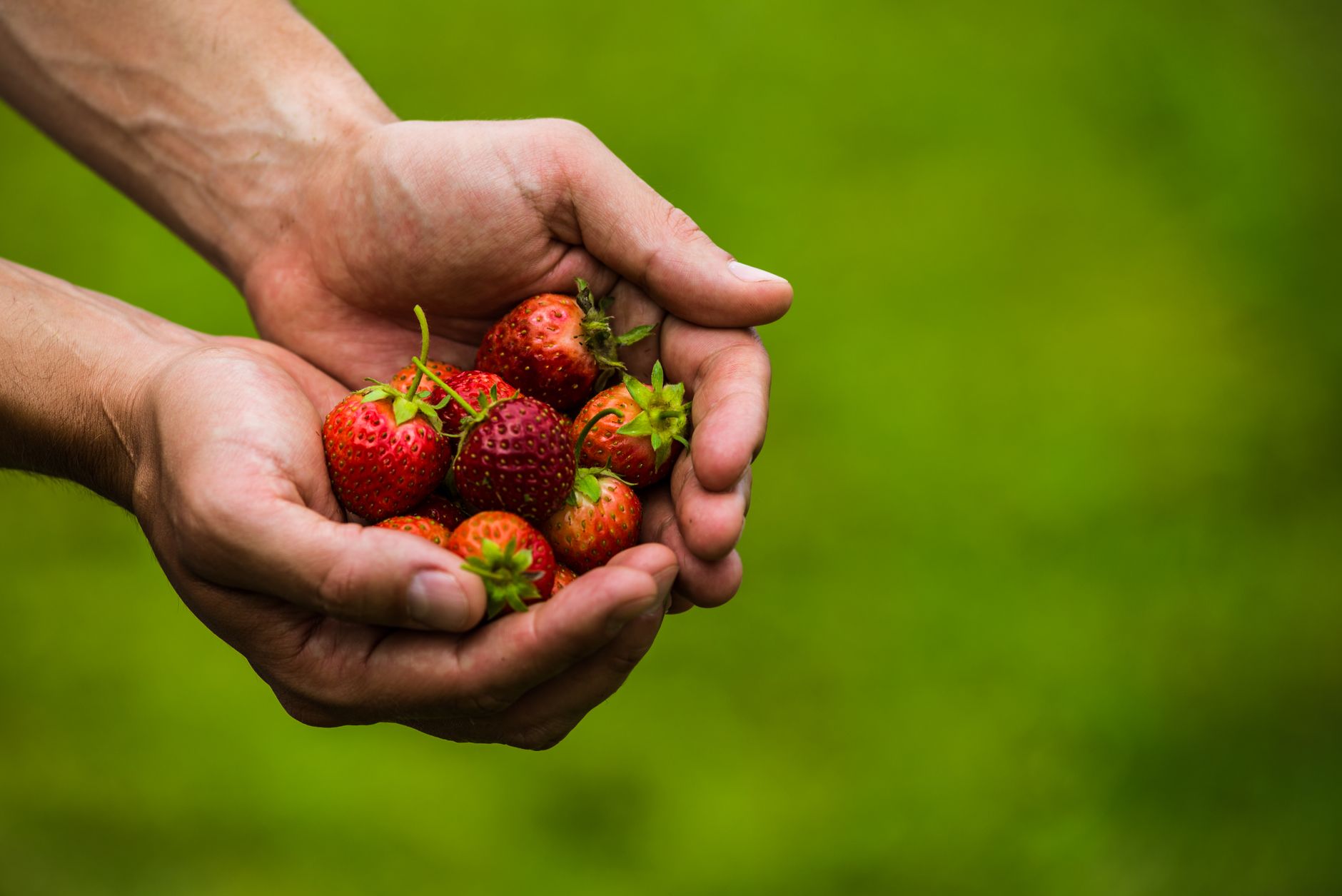
Quick Answer: The Best Mulch for Strawberries in Hot, Dry Weather
When facing hot, dry spells, the best mulch for strawberries is a thick layer of clean straw, followed closely by pine needles or shredded leaves. These organic options excel at retaining soil moisture, moderating soil temperature, suppressing weeds, and keeping berries clean. Applying a 2-4 inch layer around your strawberry plants before the heat sets in can significantly protect your harvest and improve plant health. This guide covers best mulch for strawberries in hot dry weather in a practical way.
Why Choosing the Right Mulch Matters for Your Strawberry Patch
Strawberries are relatively shallow-rooted plants, making them particularly vulnerable to fluctuating soil temperatures and rapid moisture loss, especially during the harsh conditions of hot, dry weather. Without adequate protection, the intense summer sun can quickly dry out the soil, stressing plants and leading to smaller, fewer, or even scorched berries.
Proper mulching acts as a crucial barrier, insulating the soil from extreme heat and preventing precious water from evaporating. This creates a more stable, cooler root environment that allows your strawberry plants to thrive rather than merely survive. It's a fundamental practice for ensuring a bountiful and healthy crop.
Beyond moisture retention and temperature regulation, mulch offers several other benefits. It helps to suppress competing weeds, which would otherwise steal nutrients and water from your strawberry plants. Additionally, it keeps ripening berries off the bare soil, reducing the risk of rot and making them easier to harvest clean.
Understanding the specific needs of your strawberry plants during these challenging periods is key to selecting the most effective mulch. Different materials offer varying degrees of insulation, moisture retention, and impact on soil pH, all of which play a role in your success. A small comparison: while wood chips are great for pathways, they can be too coarse and slow to break down for a direct strawberry bed, potentially tying up nitrogen as they decompose near the plants.
Top Mulch Choices for Hot, Dry Conditions
1. Clean Straw (Wheat or Oat Straw)
Clean straw is arguably the gold standard for mulching strawberries, especially in hot, dry weather. Its hollow stems provide excellent insulation, keeping the soil cool and moist. It breaks down slowly, enriching the soil with organic matter over time, and it's generally free of weed seeds if sourced properly.
Apply a 2-4 inch layer around your plants, ensuring it doesn't smother the crowns. This material is lightweight, making it easy to spread and remove if needed. The practical tradeoff here is that straw will decompose and needs to be replenished annually, whereas inorganic options like landscape fabric might last longer but don't contribute to soil health.
2. Pine Needles
Pine needles are another excellent choice, particularly if you have access to them. They form a loose, airy layer that allows for good air circulation while still providing effective moisture retention and temperature moderation. Pine needles are also known for slightly acidifying the soil as they decompose, which strawberries appreciate.
Spread a 2-3 inch layer around your plants. Their interlocking nature means they tend to stay in place well, even in windy conditions. This makes them a great option for sloped beds or areas prone to erosion, offering a real-world constraint solution for gardeners in such locations.
3. Shredded Leaves
If you have an abundance of fall leaves, shredding them and using them as mulch for your strawberry patch is a fantastic, free option. Shredded leaves decompose relatively quickly, adding valuable organic matter and nutrients to the soil. They are highly effective at retaining moisture and keeping soil temperatures stable.
Ensure the leaves are shredded to prevent them from matting down and blocking air and water. Apply a 2-3 inch layer, checking periodically to ensure they haven't compacted too much. This helps improve soil structure and provides a slow release of nutrients.
4. Compost
A 1-2 inch layer of well-rotted compost can also serve as an effective mulch, especially for improving soil fertility while providing some moisture retention. While not as insulating as straw, compost adds a powerful nutrient boost that can help plants withstand stress. It's particularly beneficial for older beds needing revitalization.
When using compost, ensure it's mature and free of pathogens. It's often best used in conjunction with another mulch type, or as a top-dressing before applying a more insulating layer. This dual approach maximizes both soil health and protective benefits.
Applying Mulch Effectively and Avoiding Pitfalls
The timing and method of application are just as important as the type of mulch you choose. A common beginner mistake is applying mulch too thickly directly against the plant crowns. This can lead to moisture trapping, which encourages fungal diseases and rot, suffocating the plant.
Always apply mulch around the base of the plants, leaving a small, clear ring (about an inch) directly around the crown. This ensures proper air circulation and prevents moisture from accumulating where it shouldn't. Aim for a consistent depth of 2-4 inches across the entire bed.
The best time to apply mulch for hot, dry spells is in late spring, after the soil has warmed up but before the intense summer heat truly sets in. This proactive approach locks in existing moisture and prevents the soil from overheating in the first place. You can also reapply a thinner layer later in the season if the initial mulch has decomposed significantly.
For those considering alternatives or looking to optimize their garden space, exploring options like raised beds can also complement mulching strategies. Raised beds offer better drainage and soil control, which can be beneficial in conjunction with proper mulching techniques. You can learn more about Best Vegetables for Raised Beds Beginners: Easy First Garden to see how different approaches combine.
Troubleshooting common issues often involves checking the mulch layer. If your plants still look stressed despite mulching, inspect the mulch depth and ensure it hasn't compacted. Sometimes, a light fluffing or adding a fresh, thin layer can restore its effectiveness. Also, remember that even with mulch, supplemental watering may still be necessary during prolonged droughts.
Another consideration for early season growth is protecting young seedlings. While this article focuses on heat management, thinking ahead to spring can save you headaches. For instance, using DIY Cold Frames for Spring Seedlings: What Works and What Overheats Fast can provide a head start, but managing temperature there is also crucial, just like with mulching in summer.
FAQ
How often should I reapply mulch to my strawberry bed?
For organic mulches like straw or shredded leaves, plan to reapply a fresh layer annually, typically in late spring or early summer. These materials decompose over time, enriching the soil but losing their bulk and insulating properties. Monitor your mulch; if it thins to less than 2 inches, it's time for a refresh.
Can I use wood chips for my strawberry mulch?
While wood chips are excellent for pathways and larger shrubs, they are generally not recommended as a direct mulch for strawberries. They decompose very slowly and can temporarily tie up nitrogen in the soil, potentially depriving your shallow-rooted strawberry plants of essential nutrients. They also might not provide the same level of soil cooling as straw.
Does mulch attract pests to strawberries?
Good quality, clean mulch like straw or pine needles generally does not attract pests. In fact, by keeping berries off the soil, it can deter slugs and other ground-dwelling pests. However, excessively wet or matted mulch can create an environment favorable for some pests or fungal issues. Always ensure good air circulation and avoid overwatering.
Is landscape fabric a good alternative to organic mulch for strawberries?
Landscape fabric can be used for weed suppression and some moisture retention, but it has drawbacks for strawberries. It doesn't add organic matter to the soil, can restrict air and water penetration over time, and may make it difficult for runners to root. While it can prevent weeds, many gardeners prefer organic mulches for their soil-building benefits and overall plant health.
Final Thoughts
Protecting your strawberry patch from the rigors of hot, dry weather doesn't have to be complicated. By selecting the best mulch for strawberries in hot dry weather – typically clean straw, pine needles, or shredded leaves – and applying it correctly, you create an optimal environment for your plants to flourish. This simple yet effective practice is one of the most impactful steps you can take to ensure a vibrant, productive strawberry harvest, even when the summer sun is at its most intense. Happy gardening!