
The Timely Transition: What to Plant After Peas in June
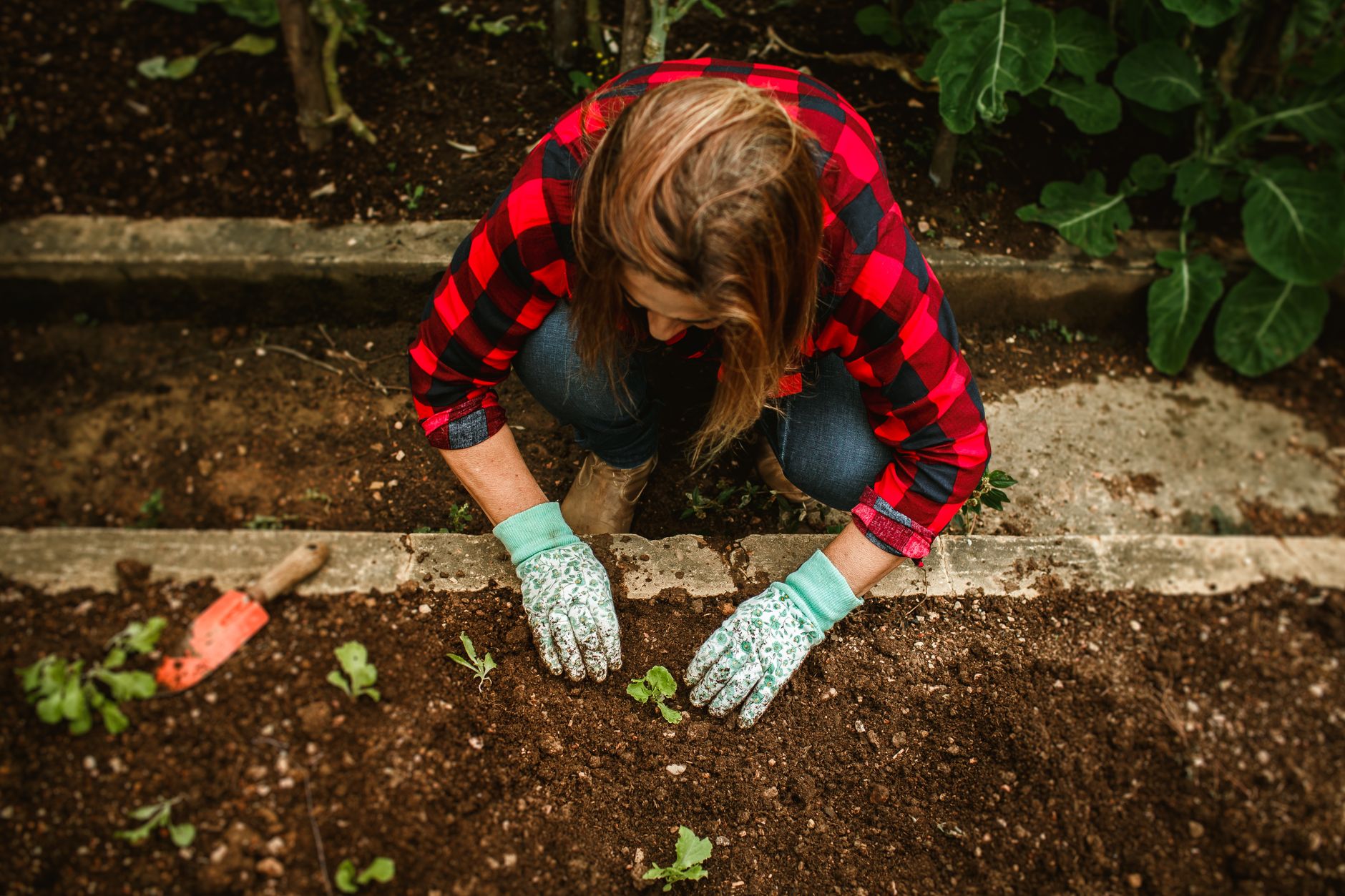
As early summer arrives, many gardeners in cooler regions find themselves with newly empty garden beds. The sweet harvest of spring peas typically concludes by mid-June, leaving behind valuable, nitrogen-enriched soil. This presents a perfect opportunity for succession planting, maximizing your garden's productivity well into the warmer months. This guide covers what to plant after peas in june in a practical way.
Instead of letting these beds lie fallow, June is a pivotal time to introduce new crops that can thrive in the moderate summer temperatures characteristic of cooler climates. Planning ahead ensures a continuous harvest and makes the most of your precious gardening space. This strategic approach keeps your garden vibrant and productive.
Why Succession Planting Matters in Cooler Climates
Succession planting is particularly important in regions with shorter growing seasons. It allows gardeners to squeeze multiple harvests from the same plot of land, effectively extending the productive period of their garden. This method prevents empty patches and ensures a steady supply of fresh produce.
Beyond maximizing yield, succession planting also benefits soil health. Different crops utilize nutrients in varying ways, and rotating them can help maintain a balanced soil ecosystem. Peas, for instance, are legumes known for fixing nitrogen, leaving the soil enriched for subsequent plantings. A real-world constraint for cooler regions is the limited window of optimal growing conditions, making efficient use of every week crucial.
By planting a second crop, you also help to suppress weeds, as the soil remains covered and actively supporting plant growth. This reduces the need for constant weeding and contributes to an overall healthier garden environment. It's a sustainable practice that rewards careful planning.
Ideal Candidates for Your Post-Pea Beds
Choosing the right crops to follow peas in June involves considering their growth habits, maturity rates, and tolerance for moderate summer temperatures. The goal is to select plants that can quickly establish themselves and mature before the first frosts of autumn.
Bush Beans
Bush beans are an excellent choice for a second planting. They are fast-growing, productive, and, like peas, are legumes that contribute nitrogen back to the soil. A small comparison: unlike pole beans, bush varieties do not require trellising, making them ideal for quick turnaround beds and simpler management.
Carrots and Beets
Root vegetables like carrots and beets thrive in the loose, well-drained soil that peas often leave behind. They appreciate the slightly cooler nights found in northern regions, allowing them to sweeten up beautifully. Ensure your soil is free of large clumps for straight, well-formed roots.
Kale and Swiss Chard
While some greens bolt in intense heat, many varieties of kale and Swiss chard are quite heat-tolerant and can produce abundantly through summer into fall. They offer a continuous supply of nutritious leaves, making them a wise addition to your succession plan. Look for varieties specified as heat-tolerant.
Heat-Tolerant Lettuce and Spinach
For those who love fresh salads, consider planting heat-tolerant lettuce varieties or New Zealand spinach. These can withstand warmer temperatures better than traditional spring greens. Planting them in a slightly shaded spot can also extend their harvest.
Preparing Your Beds: A Step-by-Step Guide
Proper bed preparation is key to the success of your second planting. A little effort now will pay dividends in a healthier, more productive garden later.
Step 1: Clear the Previous Crop
Once your pea harvest is complete, cut the pea plants at the soil line, leaving the roots in the ground. The pea roots contain nitrogen-fixing nodules that will continue to break down, releasing valuable nitrogen into the soil for your next crop. This is a practical tradeoff: leaving roots enriches the soil but means you aren't completely turning it over.
Step 2: Amend the Soil
Your soil has just supported a hungry crop of peas, so it's time to replenish its nutrients. Add a 1-2 inch layer of well-rotted compost or aged manure to the bed. Gently work it into the top few inches of soil. If your soil pH needs adjustment, now is the time to do it.
Step 3: Replenish and Fertilize
While peas leave nitrogen, other nutrients may be depleted. A balanced organic fertilizer can give your new plants a good start. Broadcast it evenly and lightly rake it into the soil surface. Remember, healthy soil is the foundation of a thriving garden, and understanding factors like soil temperature is vital for germination, as discussed in our article on Soil temperature planting peas spinach.
Step 4: Water Deeply
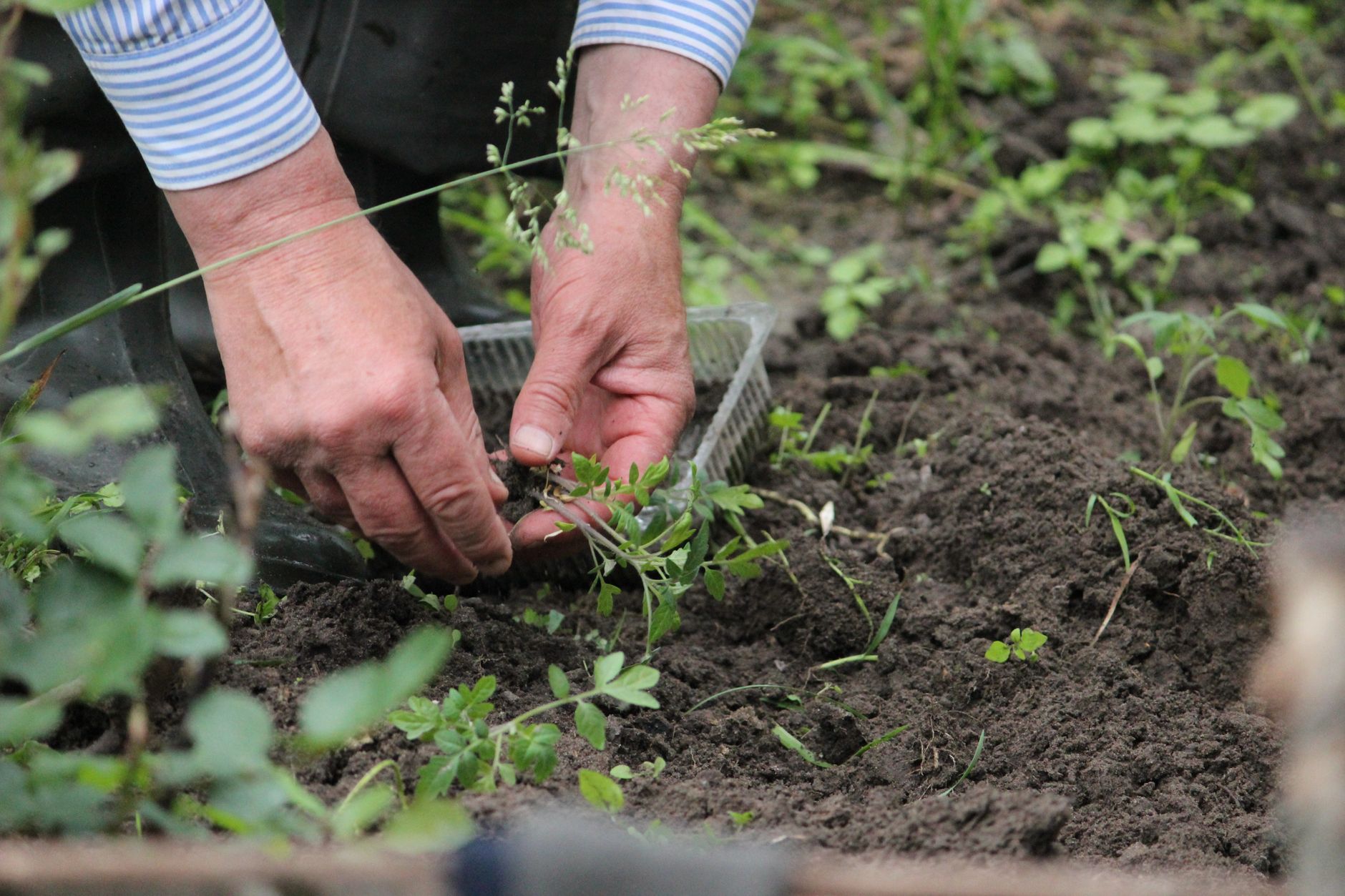
Before planting, water the bed thoroughly. This settles the soil amendments and ensures there is adequate moisture for seeds to germinate or transplants to establish. Consistent moisture is crucial, especially during the initial stages of growth.
Common Mistakes and How to Avoid Them
Even experienced gardeners can make mistakes, but being aware of common pitfalls helps ensure a successful second planting.
Ignoring Soil Needs
A beginner mistake is assuming the soil is still perfectly balanced after the first crop. Always amend your soil with compost and consider a light fertilizer application. Depleted soil will lead to stunted growth and poor yields.
Planting Too Late
In cooler regions, the growing season is finite. Planting warm-season crops too late in June can mean they don't have enough time to mature before cooler temperatures arrive. Check the "days to maturity" on seed packets and count back from your average first frost date.
Choosing the Wrong Varieties
Not all vegetables are created equal when it comes to heat tolerance or rapid maturity. Planting a variety of lettuce known to bolt quickly in summer heat, for example, will lead to disappointment. Always select varieties specifically bred for mid-summer planting or quick maturation.
Overlooking Pests and Diseases
While peas are generally robust, any previous crop can leave behind disease spores or pest eggs. Inspect your bed carefully and practice good sanitation. Rotating crops helps to break disease cycles and reduce pest pressure in the long term.
Pro Tips for a Bountiful Second Harvest
Elevate your succession planting game with these professional insights, ensuring your garden remains productive and vibrant.
Consider Companion Planting
Pairing plants that benefit each other can enhance growth and deter pests. For instance, planting marigolds near your new crops can help repel nematodes and other harmful insects. Learn more about beneficial pairings in our guide: Tomato Basil Marigold Companion Planting: Real Benefits.
Mulch for Moisture and Weed Control
Applying a layer of organic mulch, such as straw or shredded leaves, around your new plants is incredibly beneficial. Mulch helps retain soil moisture, keeps soil temperatures more consistent, and significantly suppresses weed growth. This is especially useful during warmer summer months.
Stagger Your Plantings
For crops like bush beans or lettuce, consider planting small batches every two to three weeks. This staggered approach ensures a continuous, manageable harvest rather than a single overwhelming flush, preventing gluts and extending your fresh produce supply.
Provide Adequate Water
As summer progresses, consistent watering becomes even more crucial. Young plants are particularly vulnerable to drought stress. Aim for deep, infrequent watering to encourage strong root development, rather than shallow, frequent sprinkles.
FAQ
What are the best vegetables to plant after peas in June in cooler climates?
Excellent choices include fast-maturing bush beans, carrots, beets, Swiss chard, and specific heat-tolerant varieties of kale and lettuce. These crops can mature quickly and thrive in moderate summer conditions, providing a second harvest.
Should I remove pea roots or leave them in the soil?
It's generally recommended to cut pea plants at the soil line and leave the roots in the ground. Pea roots have nodules that contain nitrogen-fixing bacteria, which enrich the soil as the roots decompose, benefiting subsequent crops.
How do I prepare the soil for a second planting after peas?
After removing the pea foliage, amend the soil with 1-2 inches of well-rotted compost or aged manure. Gently work it into the top few inches. A balanced organic fertilizer can also be added to replenish nutrients and give new plants a good start.
Can I plant another round of peas in June?
Generally, no. Peas prefer cool weather for optimal growth and production. By June, even in cooler regions, temperatures are typically too warm for a successful second pea crop, leading to poor yields or bolting. Focus on more heat-tolerant options for summer.
Final Thoughts
The transition from spring to summer in your garden marks an exciting opportunity for renewed growth and continued bounty. By thoughtfully planning what to plant after peas in June, especially in cooler regions, you can transform an empty space into a vibrant, productive part of your landscape. Embrace the challenge of succession planting, experiment with new varieties, and enjoy the extended harvest that careful planning brings. Your efforts will be rewarded with fresh, homegrown vegetables well into the autumn, proving that every inch of your garden can be a source of abundance.