
Quick Answer
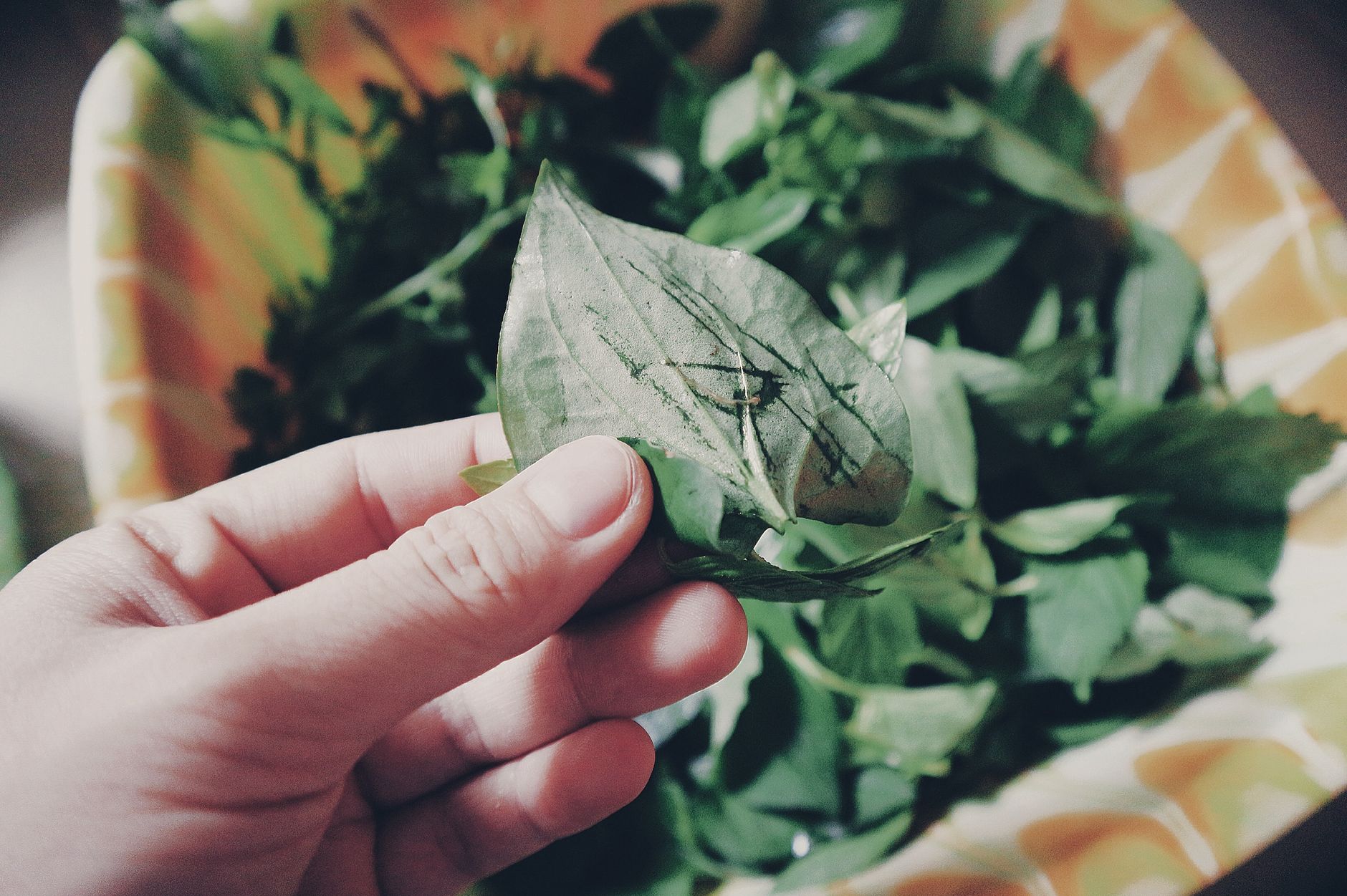
Yes, you absolutely can sow basil in late June to replace plants that have bolted early or to simply extend your harvest. This practice, known as succession planting, ensures a continuous supply of fresh basil throughout the summer and into early autumn, maximizing your garden's productivity even as temperatures rise. This guide covers late june sowing for basil replacements in a practical way.
Why This Matters: Extending Your Basil Season
For many home gardeners, the joy of fresh basil can be fleeting. Often, basil plants, especially those started early in the season, respond to increasing summer heat and longer daylight hours by prematurely flowering, or 'bolting'. Once basil bolts, its leaves become smaller, tougher, and develop a bitter flavor, rendering them less desirable for culinary use.
Understanding how to implement late June sowing for basil replacements is crucial for maintaining a vibrant herb garden. It’s a simple yet effective strategy to counteract the natural life cycle of annual herbs. By staggering your plantings, you ensure that as one batch of basil begins to wane, another is just reaching its prime, ready for harvesting.
This proactive approach to Tomato Basil Marigold Companion Planting: Real Benefits can significantly enhance your culinary endeavors. Imagine having fresh pesto ingredients, garnish for summer salads, or a fragrant addition to your pasta dishes readily available from your garden for months on end. It’s about more than just replacing; it’s about optimizing your growing season for maximum yield and flavor.
Moreover, replanting basil in summer helps you learn from previous seasons. If your basil bolted early, it might indicate it needed more consistent moisture or a slightly shadier spot during peak heat. Late June sowing offers a chance to apply those lessons immediately, fostering healthier, more productive plants in their second round.
Step-by-Step Guide: Sowing Basil in Late June
1. Assess Your Current Basil and Garden Space
Before you sow, take a moment to evaluate your existing basil. If plants are showing signs of bolting – forming flower stalks and smaller leaves – it's time to consider their replacement. Identify the areas in your garden where you want to plant new basil, ensuring they receive adequate sunlight and have good soil drainage.
Consider removing any spent or severely bolted plants to free up space and prevent them from self-seeding, which can lead to less vigorous volunteer plants. This also helps to break any potential pest or disease cycles that might be present on older foliage. Make sure the area is clear of weeds and any debris.
2. Prepare Your Planting Area
Basil thrives in well-draining soil rich in organic matter. If you’re planting in the ground, amend the soil with compost to improve fertility and structure. For container planting, use a high-quality potting mix that offers good drainage and aeration.
Ensure the pH is slightly acidic to neutral, ideally between 6.0 and 7.0. A quick soil test can confirm this, though basil is generally forgiving. Proper soil preparation is a real-world constraint that often determines the success of your late-season planting.
3. Choose the Right Basil Variety
While most basil varieties can be sown in late June, some are more heat-tolerant and slower to bolt, making them excellent choices for summer planting. Varieties like 'Genovese' are classic for their robust flavor, but 'Prospera', 'Nufar', or 'Sweet Large Leaf' are also excellent for continuous harvest.
For something a little different, consider 'Lemon Basil' or 'Thai Basil' to diversify your herb garden. A small comparison: 'Genovese' is traditional and fast-growing but can bolt quickly in intense heat, whereas 'Nufar' offers more bolt resistance, albeit with a slightly different leaf texture. Choose varieties that suit your climate and culinary preferences.
4. Sowing Seeds or Planting Transplants
You have two main options for your late June basil: direct sowing seeds or planting nursery starts.
- Direct Sowing Seeds: Plant seeds about 1/4 inch deep and 6-8 inches apart. If sowing in rows, space rows 12-18 inches apart. Lightly cover the seeds with soil and gently water them in. Keep the soil consistently moist until germination, which usually occurs within 7-10 days.
- Planting Transplants: If you want a quicker harvest, opt for small basil plants from a nursery. Dig a hole slightly larger than the root ball, place the plant in, and backfill with soil, gently firming around the base. Water thoroughly immediately after planting.
A common beginner mistake is planting too many seeds too close together. This leads to overcrowding, poor air circulation, and competition for nutrients, ultimately weakening all the plants. Thin seedlings once they have their first true leaves, aiming for the recommended 6-8 inch spacing for mature plants.
5. Post-Planting Care for Optimal Growth
Consistent moisture is vital, especially during hot summer months. Water deeply and regularly, aiming for about 1 inch of water per week, either from rain or irrigation. Avoid overhead watering if possible, as wet foliage can encourage fungal diseases.
Fertilize sparingly; basil generally doesn't require heavy feeding if the soil is rich in organic matter. A balanced liquid feed at half strength every 3-4 weeks can support vigorous growth. Mulching around your plants with a thin layer of straw or wood chips can help retain soil moisture and suppress weeds.
Best Conditions for Success and Common Pitfalls
Ideal Growing Environment
To ensure your late-sown basil thrives, replicate its preferred growing conditions as closely as possible. Basil is a sun-loving plant, requiring at least 6-8 hours of direct sunlight daily for robust growth and flavor development. However, in regions with extremely intense summer sun, a location that provides some afternoon shade can prevent scorching and reduce the likelihood of early bolting.
- Sunlight: 6-8 hours of direct sun daily.
- Soil: Well-draining, rich in organic matter, pH 6.0-7.0.
- Water: Consistent moisture, about 1 inch per week; avoid waterlogging.
- Temperature: Thrives in warm temperatures, ideally between 65-80°F (18-27°C).
- Air Circulation: Good air flow around plants to prevent fungal issues.
These conditions are particularly important for basil planted in late June, as it will be maturing during the hottest part of the year. Providing a slightly cooler microclimate or consistent afternoon shade can be a practical tradeoff to ensure a longer, more productive harvest, even if it means slightly less vigorous growth than full sun. This ensures the leaves remain tender and flavorful.
Avoiding Common Mistakes
Even experienced gardeners can fall prey to common pitfalls when growing basil. Overwatering is a frequent issue, leading to root rot and other fungal diseases. Always check the soil moisture before watering; if the top inch feels dry, it's time to water.
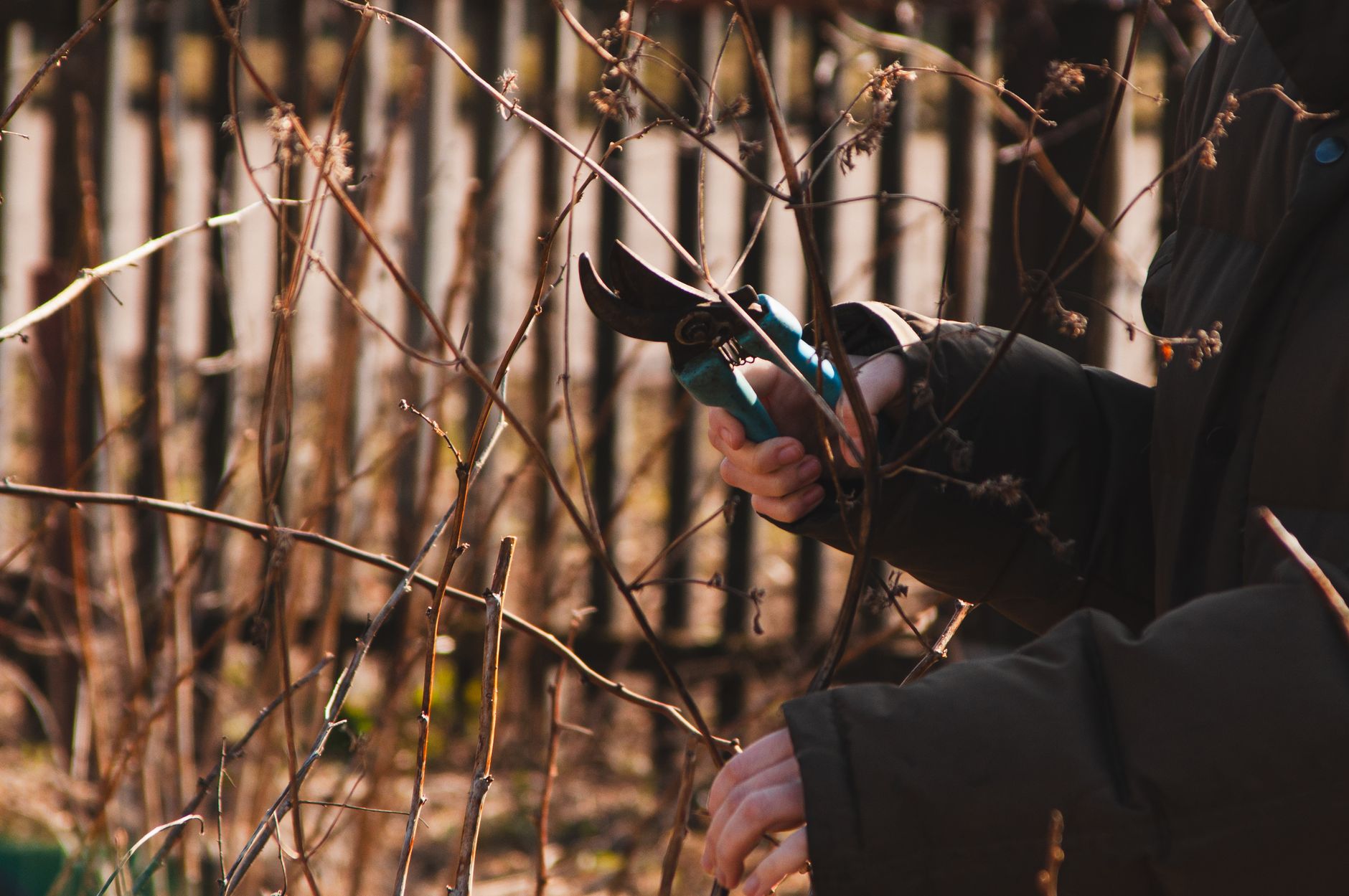
Another mistake is neglecting to pinch off flower buds as they appear. This is critical for preventing bolting and redirecting the plant's energy into leaf production. Once you see a flower stalk forming, pinch it back immediately to the first set of leaves below the bud. This simple act can significantly extend your harvesting period.
Finally, avoid planting basil in areas with poor drainage or compacted soil. Basil roots need oxygen, and waterlogged conditions will quickly lead to plant stress and decline. If your garden soil is heavy clay, consider raised beds or containers to provide the necessary drainage.
Troubleshooting Your Late-Season Basil
Yellowing Leaves
Yellowing leaves on basil can be a sign of several issues. The most common culprits are nutrient deficiency, particularly nitrogen, or overwatering. If the older, lower leaves are yellowing, it often points to a nitrogen shortage, which can be remedied with a balanced liquid fertilizer. Ensure your soil has good organic matter for sustained nutrient release.
If yellowing is accompanied by wilting and the soil is consistently wet, you might be overwatering, which can lead to root rot. Allow the soil to dry out slightly between waterings and ensure proper drainage. Sometimes, cold temperatures can also cause yellowing, but this is less likely for late June plantings.
Slow Growth or Stunted Plants
If your late-sown basil isn't growing as vigorously as you'd expect, consider the amount of sunlight it's receiving. While basil loves sun, intense, scorching afternoon sun without relief can stress young plants. Ensure it gets at least 6 hours, but possibly some afternoon shade in very hot climates.
Poor soil quality, lack of nutrients, or overcrowding can also stunt growth. Review your soil preparation and consider a light feeding. If plants are too close together, thin them out to give each plant adequate space to develop. Pests, though less common on young basil, can also hinder growth; inspect plants for signs of insect activity.
FAQ
Can I really plant basil in late June?
Absolutely! Late June is an ideal time for succession planting basil. It allows you to replace earlier plantings that may have bolted due to heat or simply extend your harvest well into the cooler autumn months. The warm soil temperatures are perfect for seed germination and rapid growth.
What causes basil to bolt early?
Basil typically bolts in response to stress, primarily high temperatures and long daylight hours. Once the plant perceives that summer is in full swing, its natural instinct is to produce flowers and seeds to ensure the next generation. Lack of consistent moisture or nutrient deficiencies can also contribute to early bolting.
How long does it take for late-sown basil to mature?
Basil grown from seed typically takes about 60-75 days to reach maturity, meaning it will be ready for its first significant harvest around late August to early September. If you plant nursery starts, you can often begin light harvesting within 3-4 weeks, providing a much quicker turnaround for your kitchen needs.
Should I prune my new basil plants?
Yes, regular pruning is essential for encouraging bushy growth and delaying bolting. Once your basil plant has developed 3-4 sets of true leaves, begin pinching back the central stem just above a leaf node. Continue to harvest by pinching off the top sets of leaves, which encourages the plant to branch out rather than grow tall and leggy.
Final Thoughts
Don't let early bolting or the end of spring deter your basil ambitions. Late June sowing for basil replacements is a simple, effective strategy that ensures your garden remains a source of fresh, flavorful herbs throughout the season. By following these steps and understanding the needs of your basil, you can enjoy abundant harvests, whether for a large batch of pesto or a simple garnish on your favorite summer dish.
Remember, gardening is a continuous learning process. Each season offers new opportunities to refine your techniques and deepen your connection with the plants you grow. Embrace the challenge of extending your harvest, and your efforts will be richly rewarded with the vibrant taste of homegrown basil. And for those looking to maximize their garden's output, exploring Best Early Tomato Varieties for Short Seasons: Faster Harvests can also help you get more from your space.