
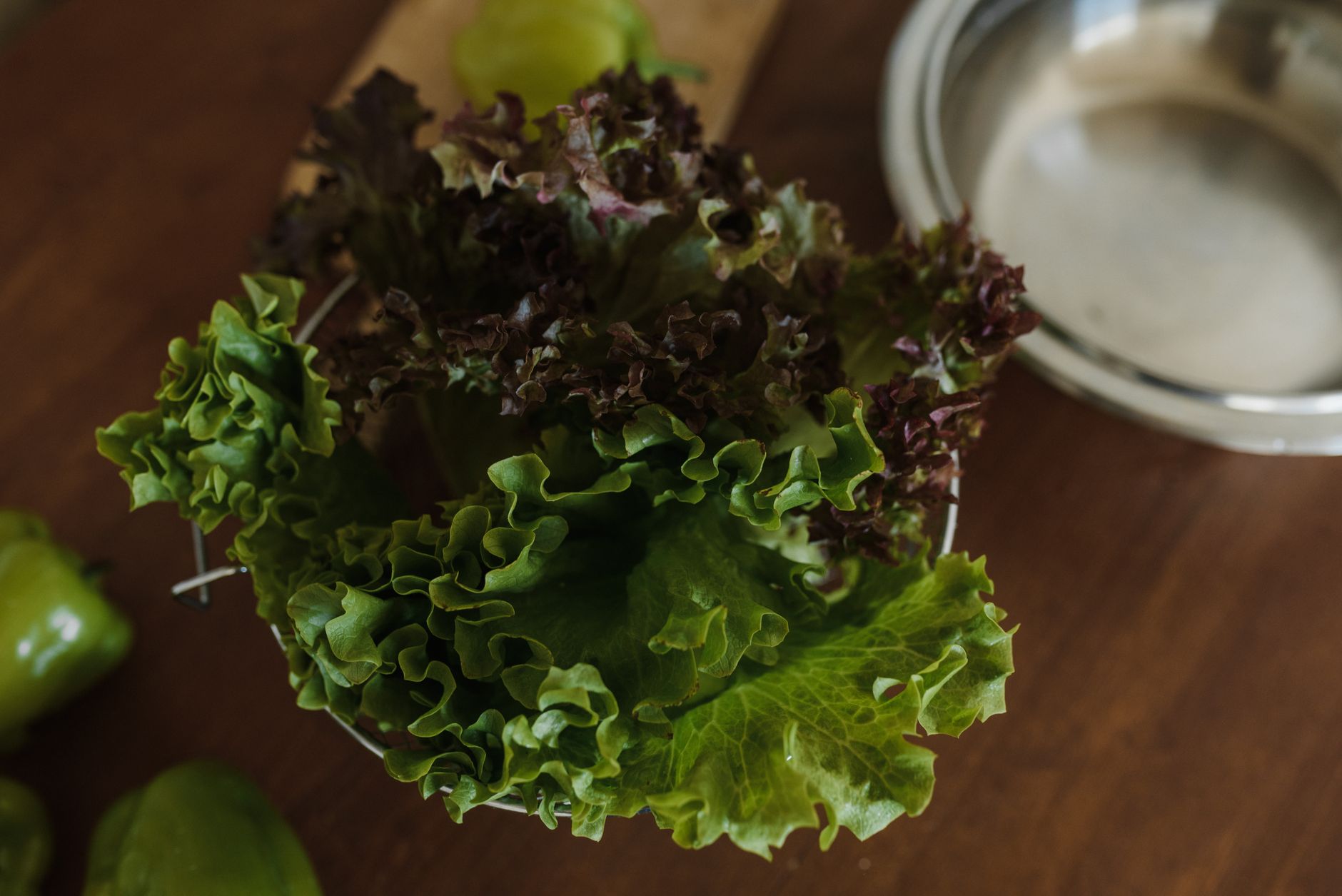
The Most Common Mistake with June Lettuce
Many home gardeners experience the frustrating phenomenon of their beautiful lettuce harvest turning unexpectedly bitter, especially as June progresses. The most common mistake isn't necessarily poor watering or soil, but rather a misunderstanding of lettuce’s fundamental nature as a cool-season crop. Gardeners often plant spring varieties too late, or fail to provide adequate protection when sudden heat waves hit in early summer. This oversight quickly triggers a plant response that leads to that unpalatable, acrid taste. This guide covers why lettuce turns bitter in june heat in a practical way.
Ignoring the subtle signs of impending heat stress can quickly transform a vibrant bed of greens into a bitter disappointment. Lettuce is particularly sensitive to temperature fluctuations, and June often brings unpredictable weather patterns, including sharp spikes in heat. These sudden changes are precisely what push lettuce plants past their comfort zone, initiating a process that prioritizes seed production over leaf flavor.
A beginner mistake often involves treating all lettuce varieties as equally resilient to summer conditions. While some lettuces are indeed more heat-tolerant than others, assuming a spring butterhead will thrive unprotected through a scorching June week is a recipe for bitterness. Understanding these specific vulnerabilities is the first step towards a successful summer harvest.
Understanding Why Lettuce Turns Bitter in June Heat
The bitterness in lettuce is primarily due to a natural plant defense mechanism called bolting. When lettuce plants experience stress, particularly from heat, they interpret it as a signal to complete their life cycle quickly by producing flowers and seeds. This process diverts energy from leaf production and growth into forming a central flower stalk, making the leaves tougher and less palatable.
As the plant bolts, it produces higher concentrations of a milky white sap called lactucarium. This compound, which is chemically similar to opium, is what gives lettuce its characteristic bitter taste. While lactucarium is harmless to humans in the quantities found in lettuce, its strong flavor is undesirable for most culinary uses. The hotter the temperatures, and the longer the exposure, the more lactucarium the plant will produce, intensifying the bitterness.
Water stress significantly exacerbates the effects of heat. If lettuce plants are not receiving consistent, deep watering, especially during hot spells, they become more susceptible to bolting and increased lactucarium production. Dry soil heats up faster and provides less insulation for the roots, stressing the plant further. This combination of high temperatures and insufficient moisture is a potent trigger for bitterness.
Furthermore, sudden temperature swings, common in June, can be particularly detrimental. A week of mild weather followed by a sudden spike into the 90s can shock lettuce plants into bolting almost overnight. This rapid transition doesn’t give the plant time to adapt, leading to a swift decline in leaf quality and an increase in bitterness.
Strategies for Sweet Summer Lettuce
Cultivating sweet, tender lettuce throughout the challenging June heat requires a multi-pronged approach focused on variety selection, environmental modification, and diligent care. The right strategies can make all the difference between a bitter harvest and crisp, delicious greens.
Choose Heat-Tolerant Varieties
Selecting the right lettuce variety is perhaps the most crucial step. While classic butterheads and delicate loose-leaf types excel in spring, many struggle in summer heat. Opt for varieties known for their heat tolerance, such as Romaine (Cos), Crisphead (Iceberg), and certain loose-leaf types like ‘Black Seeded Simpson’ or ‘Oakleaf’. Varieties with darker, thicker leaves often handle heat better than lighter, thinner ones. Look for descriptions like “slow to bolt” or “heat resistant” on seed packets.
Provide Adequate Shade
Lettuce thrives in cooler temperatures, ideally between 60-70°F (15-21°C). When temperatures consistently climb above 75°F (24°C), supplemental shade becomes essential. Install a shade cloth over your lettuce beds, aiming for 30-50% shade. This can significantly lower the ambient temperature around the plants and protect them from the harsh midday sun. Even positioning your lettuce to receive afternoon shade from taller plants or structures can make a substantial difference.
Maintain Consistent Moisture
Deep, consistent watering is non-negotiable for sweet lettuce in summer. Aim to keep the soil consistently moist but not waterlogged. Water early in the morning to allow the foliage to dry before nightfall, reducing disease risk, and to ensure the plants are well-hydrated before the day’s heat sets in. Consider drip irrigation or soaker hoses for efficient water delivery directly to the roots, minimizing evaporation. Healthy, well-hydrated plants are far more resilient to heat stress.
Optimize Soil Health
Rich, organic-matter-rich soil not only provides essential nutrients but also improves water retention and drainage. Amending your soil with compost before planting helps create a hospitable environment for lettuce roots, ensuring they have access to consistent moisture and a cooler root zone. Good soil structure also promotes better air circulation, which is vital for overall plant health. For more on preparing your garden for spring, consider practices like those mentioned in Direct Sow Carrots, Beets, Lettuce in April: No Wasted Seed, which emphasizes foundational planting techniques.
Harvest Regularly and Promptly
Frequent harvesting encourages the plant to produce more leaves rather than focusing its energy on bolting. Harvest outer leaves as soon as they reach an edible size, or cut the entire head before it shows any signs of stretching or forming a central stalk. Even if you don't need all the lettuce immediately, harvesting and refrigerating it promptly can prevent bitterness from developing on the plant. Early detection of any signs of bolting, like a lengthening central stem, signals it's time to harvest immediately.

Troubleshooting Bitter Lettuce & Pro Tips
Even with the best intentions, gardeners can still encounter bitter lettuce. Knowing how to troubleshoot and applying a few pro tips can help salvage a harvest or prevent future issues. A real-world constraint for many gardeners is limited space, making succession planting and strategic shading more challenging, but not impossible.
What to Do with Already Bitter Lettuce
If your lettuce has already turned bitter, don't despair entirely. While it won't revert to sweetness, cooking can often mellow the bitterness significantly. Bitter lettuce can be excellent in stir-fries, soups, stews, or sautéed as a side dish. The heat breaks down some of the bitter compounds, making it more palatable. You can also try soaking bitter leaves in ice water for 30 minutes, though this is less effective if the bitterness is severe.
Prevention is Key
Beyond selecting heat-tolerant varieties and providing shade, consider succession planting. Plant small batches of lettuce every 2-3 weeks in spring and early summer. This ensures a continuous supply and allows you to replace bolting plants with fresh ones. For specific pest issues that can stress plants and contribute to bitterness, particularly in early spring, knowing how to protect your harvest is crucial. Check out Slug Control Early Spring Lettuce: Protect Your Harvest for more insights on safeguarding your greens.
Another pro tip involves using containers. Growing lettuce in pots allows you to easily move them to shadier spots as the sun intensifies throughout the day or season. This flexibility is a significant advantage over in-ground beds, especially in regions with unpredictable summer heat. Just remember that container plants dry out faster and will require more frequent watering.
Understanding the Tradeoff
There's a practical tradeoff when opting for heat-tolerant lettuce varieties. While they withstand summer conditions better, some gardeners find they might lack the delicate texture or nuanced flavor of classic spring varieties like butterhead or loose-leaf heirlooms. It’s a small comparison, but similar to how some heat-tolerant spinach varieties might have a slightly tougher leaf than their cool-season counterparts. Experimenting with different heat-tolerant types can help you find your preferred balance of resilience and taste.
Mulching for Moisture and Coolness
Applying a layer of organic mulch, such as straw or shredded leaves, around your lettuce plants is another excellent strategy. Mulch helps to insulate the soil, keeping the root zone cooler and more consistently moist by reducing evaporation. This directly combats two primary triggers of bitterness: heat and water stress. It also helps suppress weeds, which compete for moisture and nutrients.
FAQ
Can I make bitter lettuce taste better?
While you can't fully reverse bitterness once it's developed, cooking bitter lettuce can significantly mellow its flavor. Sautéing, stir-frying, or adding it to soups and stews are effective ways to make it more palatable. The heat helps to break down some of the bitter compounds. Soaking in ice water for a short period can offer minor improvement, but cooking is generally more reliable.
What are the best heat-tolerant lettuce varieties?
For summer growing, look for varieties described as “slow to bolt” or “heat resistant.” Excellent choices include Romaine types (like 'Parris Island Cos' or 'Salad Bowl'), Crisphead varieties (like 'Great Lakes'), and certain loose-leaf types such as 'Black Seeded Simpson', 'Red Sails', 'Oakleaf', and 'Tango'. These varieties are generally more resilient to higher temperatures and less prone to bitterness.
How much shade does lettuce need in summer?
In regions with hot summers, lettuce benefits greatly from partial shade, especially during the hottest part of the day (midday to late afternoon). Aim for at least 30-50% shade. This can be achieved with shade cloth, by planting on the east side of taller plants (like corn or tomatoes), or by utilizing natural shade from buildings or fences. Consistent protection from intense sun is key to preventing heat stress.
Does watering more help prevent bitterness?
Yes, consistent and deep watering is crucial for preventing bitterness. Heat stress is often exacerbated by water stress. Keeping the soil consistently moist helps to keep the root zone cooler and ensures the plant has enough hydration to cope with higher temperatures, thereby reducing the likelihood of bolting and lactucarium production. Avoid shallow, frequent watering, which encourages shallow roots.
Is bitter lettuce safe to eat?
Yes, bitter lettuce is absolutely safe to eat. The bitterness comes from lactucarium, a natural compound that, while strong in flavor, is not harmful to humans in the amounts found in lettuce. It's simply a matter of taste preference. If you find it too bitter for salads, consider cooking it to reduce the intensity, as mentioned previously.
Final Thoughts
While June's sudden heat swings can be a formidable challenge for lettuce growers, understanding the plant’s response to stress is the first step towards a successful harvest. By selecting appropriate heat-tolerant varieties, providing essential shade, and maintaining consistent moisture, you can significantly reduce the chances of your lettuce turning bitter. Embrace these strategies, and you’ll be enjoying crisp, sweet greens even as the summer sun shines brightly. Happy gardening!